
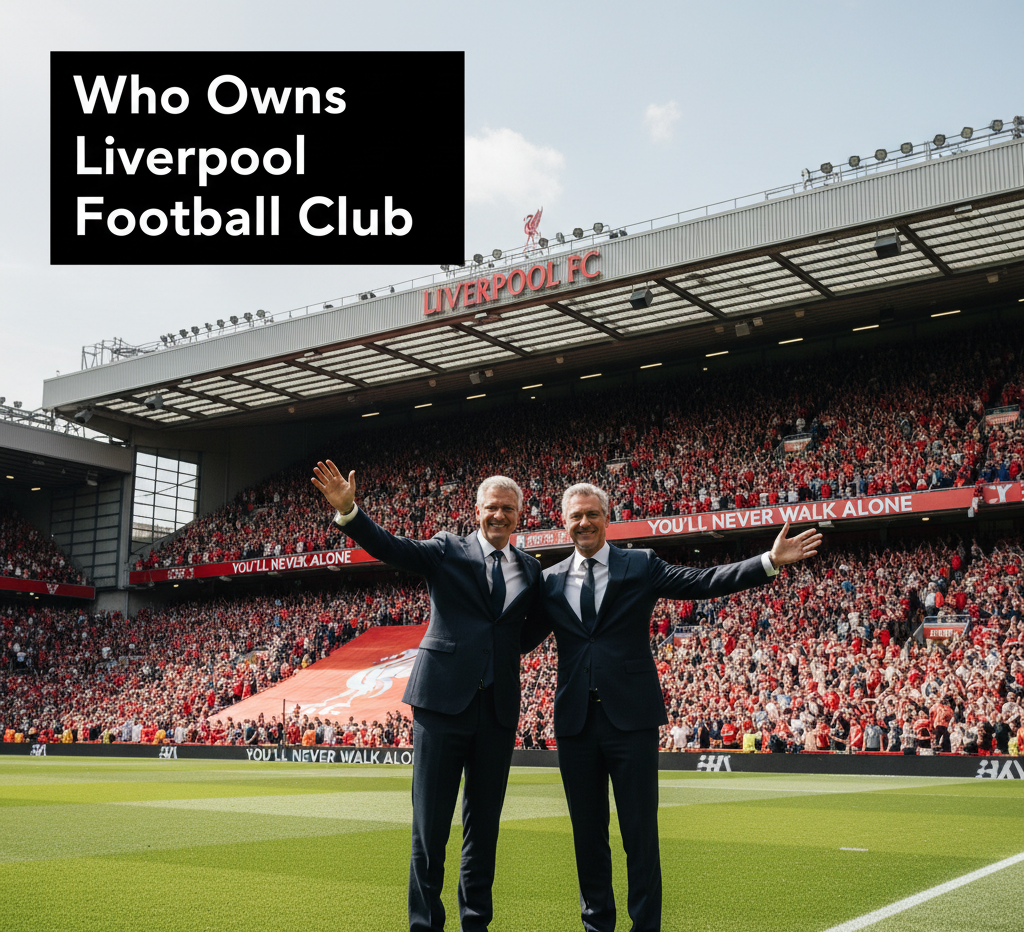
Liverpool Football Club is one of the most famous and successful football clubs in the world. With a history full of trophies, iconic players, and legendary managers, the club has a global fanbase that spans continents. However, when it comes to its ownership, many fans and football enthusiasts often ask: “who owns Liverpool football club?”
In this article, we’ll provide a complete breakdown of Liverpool’s ownership, its history, and how it affects the club today.
Introduction to Liverpool Football Club
Founded in 1892, Liverpool FC is based in Liverpool, England. The club has achieved tremendous success domestically and internationally, including:
- 19 English league titles
- 6 UEFA Champions League trophies
- 8 FA Cups
- 15 League Cups
Liverpool plays its home matches at the iconic Anfield Stadium, famous for its passionate supporters and unforgettable atmosphere. Over the decades, the club has developed a global brand, attracting fans worldwide.
Despite its success, Liverpool’s ownership has been a point of discussion, especially in the modern era of football business.
Current Owners: Fenway Sports Group (FSG)
Liverpool Football Club is currently owned by Fenway Sports Group (FSG), an American sports investment company. FSG acquired Liverpool in October 2010, rescuing the club from financial uncertainty under previous ownership.
About Fenway Sports Group
Fenway Sports Group is a private investment company based in the United States. They are also known for owning the Boston Red Sox, one of Major League Baseball’s most successful teams.
Key figures in FSG include:
- John W. Henry – Principal owner and chairman
- Tom Werner – Chairman of the board
FSG’s acquisition marked a new era of stability and global expansion for Liverpool.
Why Fenway Sports Group Bought Liverpool
At the time of the acquisition, Liverpool was facing significant financial difficulties. The previous owners had left the club with debt, which affected transfer policies and stadium investment.
FSG stepped in with the following goals:
- Financial Stability – Ensuring the club could operate sustainably and compete with other top English clubs.
- Global Branding – Expanding Liverpool’s fanbase internationally, particularly in the United States and Asia.
- On-Field Success – Investing in world-class players and modernizing club infrastructure.
Their approach has been a mix of business acumen and respect for Liverpool’s history, which helped maintain fan support.
Key Figures in Liverpool Ownership
Although FSG is the legal owner, several individuals play a central role in decision-making:
- John W. Henry: Principal owner and chairman, responsible for overall strategy and investment decisions.
- Tom Werner: Oversees club operations and serves as the public face of FSG in football matters.
- Mike Gordon: FSG partner and financial advisor, helping with investment strategies and long-term planning.
These figures collectively manage the club’s operations, including transfers, financial decisions, and commercial growth.
How FSG Has Transformed Liverpool
Since taking ownership, Fenway Sports Group has made a significant impact both on and off the pitch.
1. Financial Investment and Stability
FSG invested heavily in:
- Stadium improvements, including Anfield expansion
- Modern training facilities at Kirkby
- Global commercial deals, including sponsorships and merchandise
This financial backing has made Liverpool one of the most valuable football clubs in the world.
2. On-Field Success
Under FSG ownership, Liverpool has achieved:
- Premier League title in 2019–2020, ending a 30-year wait
- UEFA Champions League victory in 2018–2019
- Continued strong performances in domestic and international competitions
FSG’s strategy of combining smart investment with world-class management has been key to this success.
3. Managerial Appointments
FSG has also been responsible for strategic managerial appointments, including the hiring of:
- Brendan Rodgers, who helped stabilize the club in the Premier League era
- Jürgen Klopp, who transformed Liverpool into a Champions League-winning and Premier League-winning powerhouse
These appointments demonstrate FSG’s commitment to long-term success rather than short-term gains.
Liverpool Ownership Structure
Liverpool’s ownership structure is relatively straightforward:
- Fenway Sports Group – 100% ownership of Liverpool Football Club
- Principal Investors – John W. Henry and Tom Werner
- Board of Directors – Appointed by FSG to oversee operations
Unlike member-owned clubs like Real Madrid or Barcelona, Liverpool is a privately owned football club. This allows FSG to make quick strategic decisions, but also requires them to balance commercial success with fan expectations.
How Ownership Affects Fans
Ownership directly impacts the fan experience. FSG has focused on:
- Fan Engagement – Modernizing Anfield and improving matchday experience
- Global Branding – Expanding Liverpool’s reach through international tours and digital platforms
- Sustainable Transfers – Investing in players without risking the club’s financial stability
While some fans have expressed concern about foreign ownership, the overall sentiment is positive due to FSG’s success on the pitch and respect for the club’s culture.
Liverpool Compared to Other Premier League Clubs
Liverpool’s ownership differs from other English clubs:
| Club | Ownership Type | Notes |
|---|---|---|
| Manchester City | Owned by Abu Dhabi United Group | Single billionaire ownership |
| Chelsea | Owned by Todd Boehly & consortium | Private ownership, heavy investment |
| Liverpool | Owned by FSG (American investment group) | Corporate ownership with strategic management |
This model has allowed Liverpool to balance commercial growth and sporting success effectively.
Challenges of FSG Ownership
No ownership model is perfect. Some challenges faced by FSG include:
- Rising expectations – Fans expect regular trophies due to financial investment
- Financial Fair Play regulations – Balancing spending with UEFA rules
- Global scrutiny – Every decision is closely watched by international fans and media
Despite these challenges, FSG has maintained a successful track record.
The Future of Liverpool Ownership
Fenway Sports Group has emphasized long-term stability. Future plans include:
- Continued expansion of Anfield and training facilities
- Smart investment in players to maintain Premier League and Champions League competitiveness
- Further global branding and commercial growth
With FSG at the helm, Liverpool is positioned to remain a top football club both on and off the pitch.
Conclusion
So, who owns Liverpool football club? The answer is Fenway Sports Group (FSG), an American investment company led by John W. Henry and Tom Werner. Since acquiring the club in 2010, FSG has stabilized Liverpool financially, invested in world-class facilities, and helped the club achieve historic on-field success.
Liverpool’s ownership model allows for strategic decisions while respecting the club’s rich history and fan culture. Unlike member-owned clubs, FSG has the flexibility to act quickly, making Liverpool a modern powerhouse in global football.
FAQs About Liverpool Ownership
Q1: Who owns Liverpool Football Club?
Liverpool FC is owned by Fenway Sports Group (FSG), an American sports investment company.
Q2: Who are the main figures in FSG?
John W. Henry (principal owner) and Tom Werner (chairman) lead the company.
Q3: When did FSG buy Liverpool?
FSG completed the purchase in October 2010.
Q4: Is Liverpool fan-owned like Real Madrid?
No. Liverpool is privately owned, unlike member-owned clubs like Real Madrid or Barcelona.
Q5: How has FSG impacted Liverpool?
FSG has stabilized finances, expanded facilities, increased global branding, and helped the club win major trophies, including the Premier League and Champions League.