
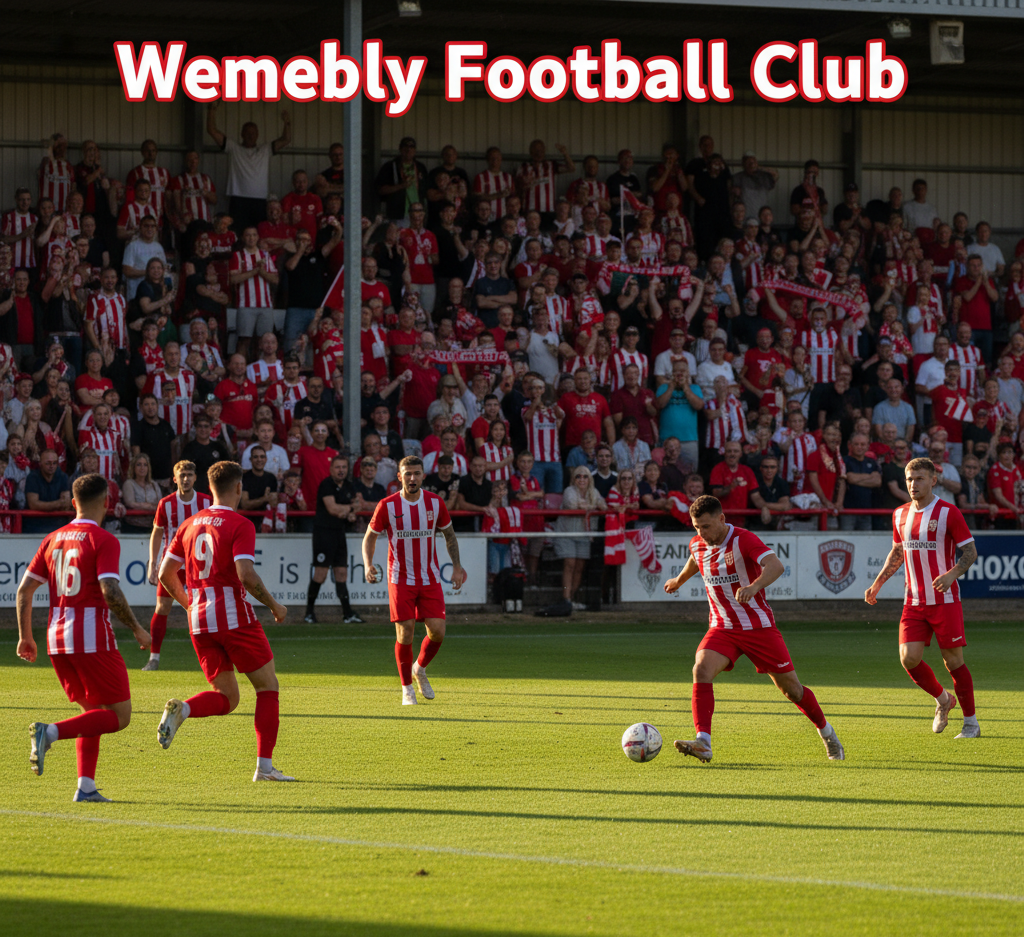
Wembley Football Club is a historic semi-professional football club based in Wembley, London. Known as The Lions, the club has been a cornerstone of grassroots football since its founding in 1946. While the name “Wembley” is often associated with the iconic stadium, Wembley FC has its own proud identity, loyal supporters, and a long history in non-league football.
This article explores the full story of Wembley Football Club — from its origins and achievements to its role in the local community and future ambitions.
Who Are Wembley Football Club?
Wembley Football Club is a semi-professional football club that competes in the English non-league football system. The team is affectionately called The Lions, a nickname inspired by the lion emblem from the local borough’s coat of arms, symbolizing strength, courage, and unity.
The club plays its home games at Vale Farm, a venue that provides a community-focused, intimate atmosphere for fans and players alike.
The Club’s Origins
Founded in 1946, Wembley FC emerged shortly after World War II, when local football enthusiasts wanted to establish a senior team to represent Wembley. The founders aimed to create a club that could compete in local leagues while fostering community engagement.
From the beginning, the club focused on teamwork, sportsmanship, and nurturing local talent, laying the foundation for decades of non-league football.
Vale Farm: Home of The Lions
Wembley FC’s home ground is Vale Farm, located in North West London. With a capacity for approximately 2,500 spectators, it offers an up-close experience for fans, making matchdays special for local supporters.
Vale Farm has hosted countless memorable moments and serves as a hub for community events and youth football programs, strengthening the club’s connection with its neighborhood.
Club Colours and Crest
Wembley FC’s traditional red and white kit is instantly recognizable. The team wears red shirts, shorts, and socks during home matches, representing energy, passion, and pride.
The club crest features a lion, reinforcing the nickname The Lions and symbolizing determination, courage, and local pride. Fans proudly wear scarves, jerseys, and merchandise adorned with these symbols.
League History
Over the decades, Wembley Football Club has competed in various regional leagues. The club began in local competitions before moving up to leagues like the Spartan League and later the Isthmian League, gaining competitive experience and building its reputation.
In more recent years, Wembley FC has competed in the Combined Counties Football League, a key tier of the non-league system. The club has maintained consistent performance, facing local rivals and fostering strong football traditions in North West London.
Memorable Achievements
Although Wembley FC operates at a semi-professional level, it has celebrated numerous achievements:
Promotions in local and regional leagues
Cup runs that brought attention to the club
Matches against higher-tier non-league teams showcasing the club’s competitive spirit
These milestones reflect the resilience, dedication, and ambition of the club, players, and supporters.
Club Management and Structure
Wembley FC is run by a dedicated team of club officials, including a chairman, board members, coaches, and support staff. Their primary goal is to maintain the club’s sustainability while fostering talent and engaging with the local community.
The management also emphasizes youth development, offering programs and training opportunities to help young players progress through the football system.
Rivalries and Local Matches
Being located in London, Wembley FC has several local rivalries with neighboring non-league clubs. These matches often draw enthusiastic crowds and create exciting atmospheres that energize players and fans alike.
Local derbies are more than just league fixtures—they are community events that celebrate local pride and football culture.
Community Engagement
Community involvement is central to Wembley FC’s mission. The club actively participates in local initiatives, youth programs, and outreach projects.
Youth coaching programs encourage young talent
School visits promote sports and healthy lifestyles
Community events strengthen connections with fans and residents
This commitment ensures the club is more than just a football team; it is a pillar of the local community.
Fan Culture and Matchday Atmosphere
The supporters of Wembley FC create a unique and welcoming matchday environment. Fans gather at Vale Farm to cheer on The Lions, celebrating goals, chanting team songs, and supporting players throughout the match.
The close proximity of fans to the pitch creates an intimate experience, allowing supporters to feel closely connected to the game and the team.
Challenges for Non-League Clubs
Like many non-league teams, Wembley FC faces challenges such as:
Limited financial resources
Recruiting and retaining talented players
Maintaining and improving facilities
Competing in an ever-changing league structure
Despite these challenges, Wembley FC’s strong community support and dedicated management have helped the club thrive.
The Future of Wembley Football Club
Looking ahead, Wembley FC aims to:
Enhance its facilities and infrastructure
Expand youth development programs
Strengthen competitive performance
Attract more local supporters
The club’s long-term vision focuses on growth while preserving the values that have defined it for over 70 years.
Why Wembley Football Club Matters
Wembley FC represents the heart of grassroots football in London. While famous stadiums may dominate headlines, clubs like Wembley FC embody football’s original values: community, passion, and dedication.
For players: an opportunity to compete and grow
For fans: a source of local pride
For the community: a shared space for engagement and connection
It is this combination of sport and community that makes Wembley Football Club truly special.
Conclusion
Wembley Football Club has stood the test of time, surviving decades of changes in non-league football while maintaining its identity and commitment to the local community. From its foundation in 1946 to its present-day endeavors, the club has earned respect through resilience, passion, and dedication.
Although it may not have the global fame of Wembley Stadium, Wembley FC embodies the essence of English football—loyalty, spirit, and connection. Whether through matchday excitement at Vale Farm or community initiatives, Wembley Football Club continues to thrive as a vital part of North West London’s football landscape.