
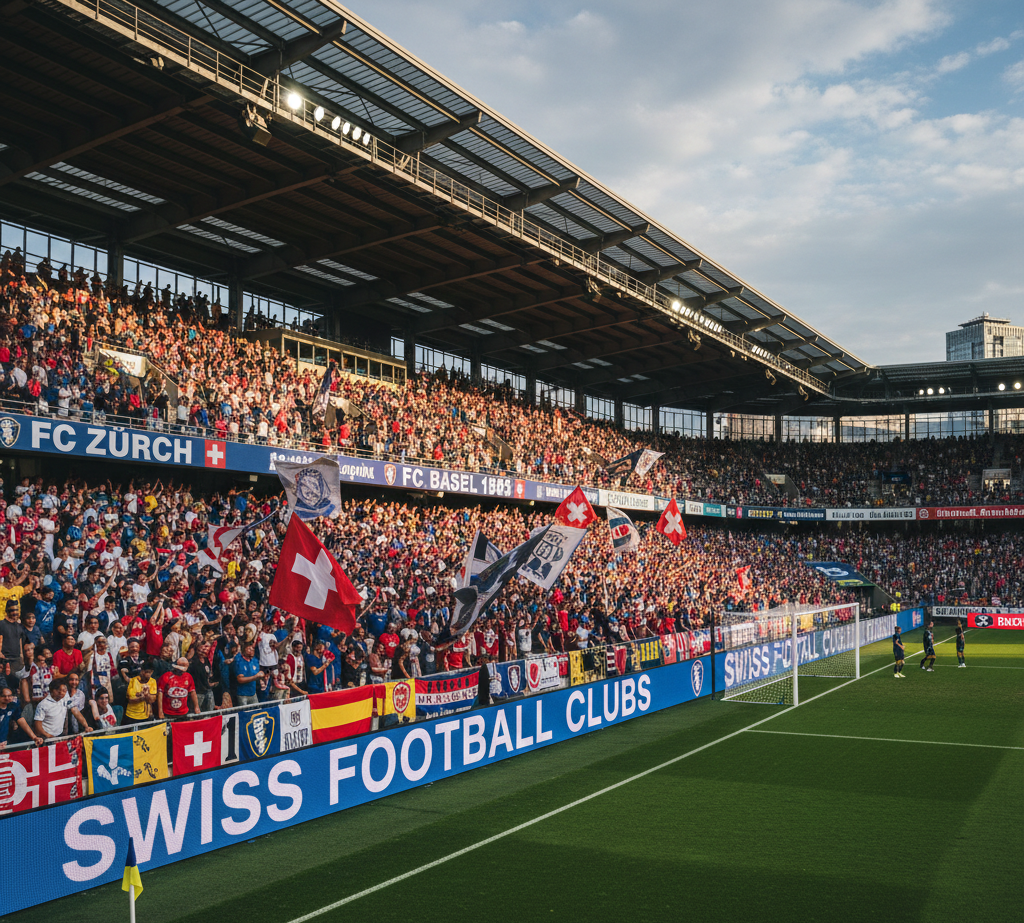
Swiss football has steadily grown into a respected and competitive environment in European soccer. Although Switzerland is a relatively small country, its football clubs have a rich history, passionate supporters, and a strong presence domestically and in European competitions. From historic giants to rising teams, Swiss clubs represent a blend of tradition, skill, and ambition.
In this article, we’ll explore the landscape of swiss football clubs, how the league system works, some of the most successful and popular clubs, and what makes football in Switzerland unique. This guide is perfect for fans, newcomers, or anyone looking to understand the heart of Swiss club football.
Understanding Swiss Football: League Structure and Culture
Football in Switzerland operates through a structured league system. At the top is the Swiss Super League, which features the country’s most competitive and successful professional clubs. Below the Super League is the Challenge League, followed by several lower tiers where many local and semi-professional teams compete.
Swiss football culture blends community support with professional ambition. Many clubs are rooted in regional pride and local identity, bringing together supporters from different linguistic and cultural backgrounds. Switzerland has multiple official languages — German, French, Italian, and Romansh — and this diversity is mirrored in the football community.
Swiss clubs compete fiercely for domestic glory and for the opportunity to represent Switzerland in European competitions. The Swiss Super League winner traditionally earns a spot in the qualifying rounds of prestigious tournaments like the UEFA Champions League and UEFA Europa League.
The Swiss Super League: Home of the Top Swiss Clubs
The premier tier of Swiss football is the Swiss Super League. It features ten clubs that compete over a full season to win the national championship. The league has a long history and has produced many memorable moments over the years.
FC Basel: One of Switzerland’s Most Successful Clubs
FC Basel stands out as one of the most accomplished football clubs in Switzerland. Founded in 1893, Basel has dominated Swiss football at times, winning numerous national championships and cups. The club plays its home games at the impressive St. Jakob-Park stadium, known for its electric atmosphere on matchdays. Basel’s success over the decades has made it a household name in Swiss football and a frequent participant in European competitions, where it has gained valuable experience against top clubs from abroad.
BSC Young Boys: Bern’s Pride and Consistent Performers
BSC Young Boys, based in the Swiss capital of Bern, has been another powerhouse in Swiss football. With multiple league titles to their name, Young Boys have established themselves as regular challengers for the championship. Their passionate supporters fill the Wankdorf Stadium, creating an intimidating atmosphere for visiting teams. The club’s recent success has helped raise the profile of Swiss football internationally.
Grasshopper Club Zürich: The Historic Giant
Grasshopper Club Zürich is one of the oldest and most decorated Swiss clubs. With a long list of league titles, Grasshoppers dominated Swiss football in earlier decades and remain one of the most recognizable names in the country’s football history. The club has played a crucial role in shaping Swiss football culture and inspiring generations of fans.
FC Zürich: Strong Legacy in Zurich
FC Zürich is another major club in Switzerland’s largest city and has enjoyed periods of success throughout its history. With multiple league titles and domestic cups, FC Zürich has maintained a strong presence in Swiss football. The club’s rivalry with Grasshopper Club Zürich adds extra excitement to Zurich derby matches.
Servette FC: Geneva’s Historic Representative
Servette FC, based in the French-speaking city of Geneva, has a rich tradition in Swiss football. Founded in the late 1800s, Servette has won numerous championships and cups, making it one of the respected names in Swiss football history. Although the club has faced financial challenges in the past, it has remained a central part of the Swiss football narrative.
FC St. Gallen: Switzerland’s Second Oldest Club
FC St. Gallen is one of the oldest football clubs in continental Europe. Known for its deep roots and passionate fan base, St. Gallen plays in the Swiss Super League and represents a proud footballing community. The club’s longevity and tradition have made it a cherished part of Switzerland’s football heritage.
FC Lugano and FC Lausanne-Sport
Other notable Swiss football clubs include FC Lugano, based in the Italian-speaking region of Ticino, and FC Lausanne-Sport, which represents the French-speaking canton of Vaud. Both clubs have enjoyed success and have strong local followings, adding to the linguistic and cultural diversity of Swiss football.
FC Sion, FC Thun, and FC Winterthur
Several clubs such as FC Sion, FC Thun, and FC Winterthur also compete in the top tier of Swiss football. These clubs may not always dominate the league, but they bring unique identities, loyal fan bases, and memorable matchdays to Swiss football. Their presence adds depth and competition to the Super League season.
Lower League Clubs: The Heart of Local Football
While the Swiss Super League gets most of the attention, Swiss football is also built on a vast network of lower-division clubs. These teams play in the Challenge League and several regional leagues across the country.
Examples of these clubs include FC Solothurn, FC Locarno, FC Red Star Zürich, and Concordia Basel. These teams compete in lower tiers and provide opportunities for local talent to develop. Many of these clubs have long histories and remain essential parts of their communities, nurturing young players and keeping the local football spirit alive.
Swiss football’s structure allows smaller clubs to dream of promotion and growth, and occasionally a lower-tier club may have a remarkable run in competitions like the Swiss Cup, earning nationwide recognition.
The Importance of Swiss Football Clubs in Belgian and European Context
Swiss clubs have made their mark not only domestically but also in European football. Teams like FC Basel, BSC Young Boys, and Grasshopper Club Zürich have competed in continental competitions, representing Swiss football against some of Europe’s top sides.
Although Swiss clubs may not always reach the latter stages of elite tournaments, their regular participation helps boost the profile of Swiss football and provides valuable experience for players, coaches, and fans.
Swiss football is known for its emphasis on tactical discipline, physical fitness, and youth development. Many Swiss clubs invest heavily in youth academies, nurturing players who often go on to compete in top leagues around the world.
Fan Culture and Passion in Swiss Football
Swiss football supporters are known for their passionate but respectful support. Matchdays often feature energetic chants, vibrant scarves, and community spirit. The diverse cultural background of Swiss society — spanning German, French, Italian, and Romansh speakers — gives matches a unique blend of traditions and styles.
Local derbies, such as the Zurich derby between FC Zürich and Grasshopper Club Zürich, or matches between Basel and Young Boys, draw significant attention and showcase the intensity of club rivalries in Switzerland.
Supporters across the country follow their teams with devotion, attending matches at historic stadiums and newer venues alike. The fan experience in Swiss football is characterized by close connections between clubs and their communities, making every game a personal and emotional occasion.
Swiss Football Clubs and Youth Development
Swiss clubs place a strong emphasis on youth development. Academies associated with top clubs are central to nurturing young talent. These programs focus on technical ability, tactical understanding, and physical conditioning. Many Swiss players who begin in local academies eventually compete at higher levels or move to bigger leagues abroad.
Youth success stories contribute to the overall health of Swiss football. This developmental focus ensures a pipeline of talent for both club and national teams.
Looking Ahead: The Future of Swiss Football Clubs
The landscape of swiss football clubs continues to evolve. With investments in infrastructure, coaching, and player development, Swiss football is positioned for steady growth both domestically and internationally.
Clubs are embracing modern training methods, fan engagement strategies, and youth pathways that help them stay competitive. As Swiss teams continue to compete in European competitions, they gain experience and exposure that benefit the league as a whole.
Swiss football’s future looks promising, with clubs constantly striving to balance tradition with innovation. The passion of supporters, the dedication of players, and the deep roots of clubs across regions contribute to a vibrant football culture.
Conclusion: The Heartbeat of Football in Switzerland
Swiss football is rich with history, diversity, and passionate supporters. From giants like FC Basel, BSC Young Boys, Grasshopper Club Zürich, and FC Zürich to smaller clubs that represent local pride, the world of swiss football clubs is vibrant and dynamic.
These clubs unite fans from different linguistic and cultural backgrounds under one shared love of the beautiful game. They contribute not only to national competition but also to the broader European football landscape.
Whether you follow the Super League closely or enjoy discovering clubs in lower divisions, Swiss football offers something for every fan — a blend of tradition, competition, and community spirit that makes the sport truly special.