If you are searching for “football clubs in Stockholm”, you are exploring one of Scandinavia’s most competitive and historically rich football cities. Stockholm is not only the capital of Sweden but also the beating heart of Swedish football, home to legendary clubs, modern stadiums, fierce rivalries, and passionate supporters.
In this complete guide, you’ll discover:
The biggest football clubs in Stockholm
Their history and achievements
Stadium locations
Stockholm football rivalries
Youth and lower-division clubs
How Stockholm fits into Swedish football overall
Let’s explore the football culture of Sweden’s capital city.
Why Stockholm Is a Football Powerhouse
Stockholm is Sweden’s largest city and political, economic, and cultural center. Naturally, it also plays a major role in the country’s football scene.
The city has produced:
Multiple Swedish champions
International stars
European competition participants
Fierce derby rivalries
Most top-tier Stockholm clubs compete in Sweden’s highest league, the Allsvenskan, making the city one of the most competitive football regions in the country.
Major Football Clubs in Stockholm
When discussing football clubs in Stockholm, three names stand above the rest:
AIK
Djurgårdens IF
Hammarby IF
These clubs dominate Stockholm football both historically and culturally.
1. AIK
Founded: 1891
Stadium: Strawberry Arena (Solna, Greater Stockholm)
AIK is one of Sweden’s oldest and most successful football clubs. Based in Solna (part of Greater Stockholm), AIK has a massive national fanbase.
Key Highlights:
Multiple Allsvenskan titles
Regular European competition appearances
One of Sweden’s largest support bases
AIK’s matches regularly attract some of the highest attendances in Swedish football.
2. Djurgårdens IF
Founded: 1891
Stadium: Tele2 Arena
Djurgårdens IF, commonly called “Djurgården,” is another historic Stockholm giant. The club has enjoyed strong domestic success, particularly in the 2000s.
Key Achievements:
Multiple Swedish championships
Strong youth development
Competitive European campaigns
Djurgården shares the Tele2 Arena with Hammarby, intensifying the rivalry atmosphere.
3. Hammarby IF
Founded: 1897
Stadium: Tele2 Arena
Hammarby is known for its incredibly passionate fan culture. The club has grown significantly in recent years, both on and off the pitch.
Why Hammarby Stands Out:
Massive home support
Strong community identity
Growing international recognition
Hammarby supporters are often regarded as among the most dedicated in Scandinavia.
Stockholm Derby Rivalries
Stockholm’s football culture is defined by its derbies.
AIK vs Djurgården
Known as one of Sweden’s fiercest rivalries, this derby attracts national attention.
Djurgården vs Hammarby
Sharing the same stadium adds extra intensity.
AIK vs Hammarby
Another heated Stockholm battle with deep historical roots.
These derbies are some of the biggest sporting events in Sweden each season.
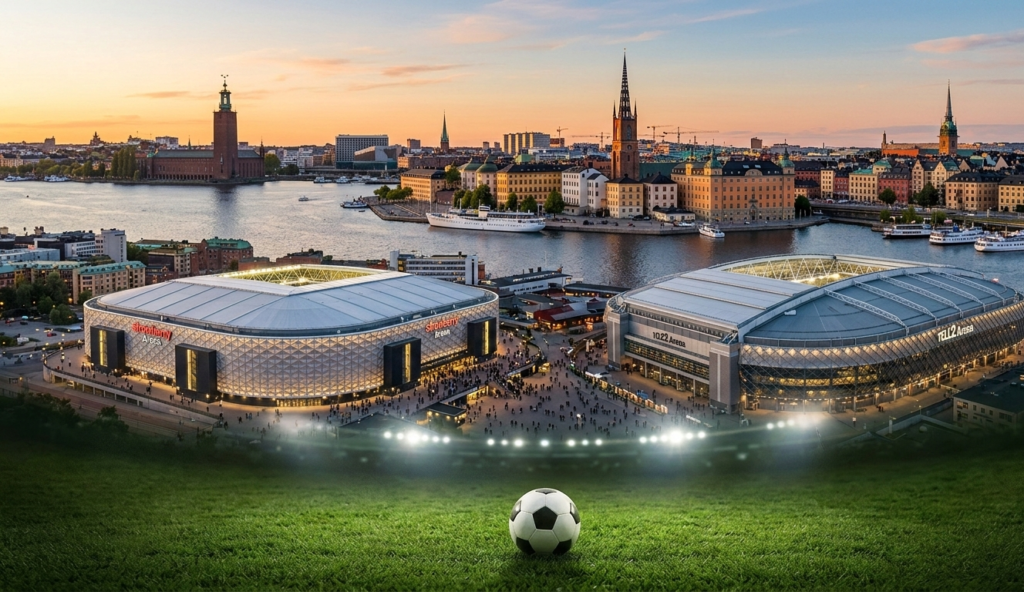
Stadiums in Stockholm
Football clubs in Stockholm play in modern, high-capacity venues.
Strawberry Arena (Solna)
National stadium of Sweden
Hosts international matches
Home of AIK
Tele2 Arena
Modern multi-purpose stadium
Home to Djurgården and Hammarby
Retractable roof
Stockholm’s stadium infrastructure is among the best in Scandinavia.
Other Football Clubs in Stockholm
Beyond the “Big Three,” several other clubs contribute to the city’s football ecosystem.
Brommapojkarna
Known for one of Europe’s largest youth academies
Regularly competes in Sweden’s top two divisions
Focused on youth development
Brommapojkarna has produced numerous professional players.
Vasalunds IF
Based in Solna
Competes in lower Swedish divisions
Strong regional presence
IFK Stockholm
Historic club
Part of the IFK sports movement in Sweden
Competes in lower tiers
Women’s Football in Stockholm
Stockholm is also home to competitive women’s football clubs, contributing to Sweden’s strong international reputation in women’s football.
Clubs in the region participate in Sweden’s top women’s leagues and youth systems, strengthening the overall football structure of the city.
Youth Development in Stockholm
One of the reasons football clubs in Stockholm remain competitive is their strong youth development systems.
Key characteristics:
Structured academy programs
Community-based youth training
Strong links to schools
Pathways to professional contracts
Brommapojkarna, in particular, is globally recognized for youth production.
Stockholm in the Allsvenskan
Stockholm clubs frequently compete at the top level of Swedish football: the Allsvenskan.
Having multiple clubs in the same city competing in the top division creates:
Intense local rivalries
High matchday attendance
Strong media attention
Increased sponsorship opportunities
Stockholm’s football economy benefits greatly from this concentration of elite teams.
Football Culture in Stockholm
Stockholm football culture is defined by:
Organized supporter groups
Colorful matchday atmospheres
Tifo displays
Strong club identity
Each club has a distinct personality:
AIK: Historic and powerful
Djurgården: Traditional and competitive
Hammarby: Passionate and community-driven
This diversity makes Stockholm one of Europe’s most interesting football cities.
Geographic Distribution of Clubs
When looking at a football clubs in Stockholm map, you’ll notice:
AIK in Solna (north of central Stockholm)
Djurgården and Hammarby in the southern/central areas
Brommapojkarna in western Stockholm
The relatively close distances between stadiums make derby travel easy for supporters.
European Competitions
Stockholm’s top clubs have represented Sweden in:
UEFA Champions League qualifiers
UEFA Europa League
UEFA Conference League
Participation in European tournaments increases international visibility for Stockholm football clubs.
Economic Impact of Football in Stockholm
Football contributes significantly to the local economy through:
Ticket sales
Stadium events
Merchandise
Tourism
Broadcasting rights
Major derbies can generate substantial economic activity across the city.
Future of Football Clubs in Stockholm
Stockholm clubs continue to invest in:
Modern training facilities
Youth development
Digital fan engagement
International scouting
With Sweden’s growing football reputation, Stockholm remains central to national football success.
Why Stockholm Is Unique in Scandinavian Football
Compared to other Nordic capitals:
Stockholm has multiple top-tier clubs
Stronger derby culture
Larger stadium capacity
Greater media exposure
This makes the city arguably the football capital of Scandinavia.
Final Thoughts
When exploring football clubs in Stockholm, you are diving into one of Europe’s most vibrant football cities. From AIK’s historic dominance to Hammarby’s electrifying atmosphere and Djurgården’s consistent competitiveness, Stockholm offers elite football at every level.
The city’s combination of rivalry, tradition, infrastructure, and youth development ensures its continued importance in Swedish football.
Whether you are a football tourist, blogger, or supporter, Stockholm provides a rich and exciting football experience.