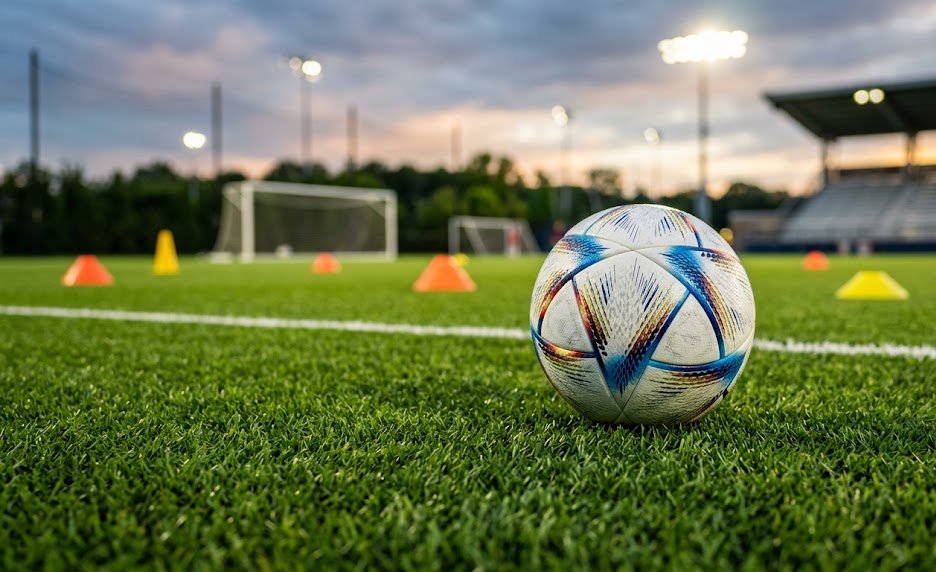
Choosing the best soccer ball for training can make a noticeable difference in practice. A good training ball should handle repeated kicks, passing drills, shooting sessions, and regular outdoor use without losing its shape or performance.
With so many soccer balls available today, players, parents, coaches, schools, and soccer clubs can find it difficult to decide which type is right for their needs. The most expensive ball is not always the best option for training. What matters more is choosing a ball that matches the player’s age, playing surface, training level, and frequency of use.
This guide explains what to look for when buying a training soccer ball in 2026.
What Makes a Good Training Soccer Ball?
A training ball needs to survive more use than a typical recreational ball. During a single practice session, a ball may be kicked hundreds of times, passed across different surfaces, and used for shooting exercises.
A reliable training soccer ball should have:
- Good shape retention
- Consistent bounce
- Strong outer material
- Reliable stitching or panel construction
- Proper air retention
- Comfortable handling
- Suitable weight and size
- Durability for repeated practice
The ideal choice also depends on where the ball will be used. A ball designed for natural grass may not be the best choice for artificial turf or indoor surfaces.
Choose the Correct Soccer Ball Size
One of the first things to consider is soccer ball size.
Size 5 Soccer Ball
Size 5 is the standard full-size soccer ball commonly used by older youth players, teenagers, adults, clubs, and competitive players.
If you are buying a ball for adult training or regular competitive-style practice, a size 5 soccer ball is usually the appropriate choice.
Size 4 Soccer Ball
Size 4 is commonly used by younger players who are developing their basic skills. Its smaller dimensions can make ball control easier for developing players.
Size 3 Soccer Ball
Size 3 is generally designed for young children. Its smaller size makes it easier for beginners to handle during introductory training.
Before purchasing, always check the requirements of the player’s league, club, or coach because age-group standards can vary.
Training Ball vs Match Ball
A common question is whether a player should buy a training soccer ball or a match ball.
Training balls are generally designed for frequent use. They need to withstand regular practice sessions and repeated contact.
Match balls are designed with game performance in mind. They may focus more heavily on touch, flight consistency, responsiveness, and professional playing characteristics.
For everyday practice, a durable training ball can be a practical choice. A player who competes regularly may also want a match-quality ball for game preparation.
For many players, owning both makes sense: use the training ball for daily practice and reserve the match ball for games and specialized sessions.
Consider the Playing Surface
The surface where you train is another important factor.
Natural Grass
Natural grass is one of the traditional surfaces for outdoor soccer. A quality soccer ball designed for outdoor play should provide reliable performance while handling regular contact with the ground.
Artificial Turf
Artificial turf can create different conditions for a soccer ball. Players who train regularly on synthetic surfaces should choose a durable ball capable of handling frequent use.
Indoor Surfaces
Indoor soccer has different requirements from outdoor play. An indoor soccer ball may have construction and performance characteristics suited to indoor courts.
If you regularly move between outdoor and indoor training, check the manufacturer’s recommended surface before purchasing.
Material Matters
The outer material affects how a soccer ball feels and performs.
Modern soccer balls commonly use synthetic materials that can provide a balance between durability, touch, and water resistance.
The surface should also provide enough grip for passing, receiving, dribbling, and shooting.
However, material alone does not determine quality. The underlying construction, bladder, panel design, stitching, and manufacturing process also influence the overall performance of the ball.
Look at the Ball’s Construction
Soccer balls can use different construction methods.
Some balls are machine stitched, while others use hand stitching, thermal bonding, or other manufacturing techniques.
Each method can have different advantages depending on the intended use and price range.
For a training ball, durability and consistent performance are usually more important than simply choosing the most advanced construction available.
Air Retention Is Important
Nobody wants to stop training every few minutes to add air to a soccer ball.
A quality ball should maintain its pressure reasonably well between inflation sessions. The bladder and valve system both play an important role in air retention.
Before purchasing a ball, check whether the manufacturer provides information about its bladder construction and recommended inflation pressure.
You should also use a suitable pump and avoid overinflating the ball.
How Much Should You Spend?
The best soccer ball for training does not necessarily have to be the most expensive one.
Think about how often the ball will be used.
For occasional recreational practice, an affordable training ball may be enough. For a soccer academy, club, school, or serious player who trains several times a week, spending more on durability can make sense.
Instead of focusing only on price, compare:
- Construction quality
- Material
- Durability
- Size
- Playing surface
- Air retention
- Intended level of play
- Manufacturer reputation
The goal is to find the right balance between performance and longevity.
What Soccer Coaches Should Look For
Coaches often need several soccer balls rather than just one. In this situation, durability becomes especially important.
A coach should consider balls that can handle:
- Passing drills
- Shooting exercises
- Dribbling practice
- Small-sided games
- First-touch exercises
- Possession drills
- Finishing sessions
- Repeated outdoor use
Buying multiple durable training balls can also make practice sessions more efficient because players spend less time waiting for equipment.
What Parents Should Look For
Parents buying a soccer ball for a young player should avoid choosing a ball based only on appearance.
The correct size is more important than having the most colorful design.
Consider the player’s:
Age → Size → Skill level → Training frequency → Playing surface
A properly sized ball allows young players to develop their passing, dribbling, receiving, and shooting skills more naturally.
How to Maintain Your Soccer Ball
Even a durable soccer ball needs proper care.
Here are some simple maintenance tips:
Keep It Properly Inflated
Follow the manufacturer’s recommended pressure. Too much or too little air can affect the ball’s performance.
Clean It After Training
Remove dirt and mud after outdoor sessions. Use a suitable damp cloth rather than harsh chemicals that could damage the outer surface.
Store It Correctly
Avoid leaving your soccer ball outside for long periods. Extreme heat, moisture, and direct sunlight can shorten its useful life.
Don’t Sit on the Ball
Although it may seem harmless, putting your full body weight on a soccer ball can place unnecessary stress on its construction.
Use the Right Surface
Avoid using an outdoor soccer ball on surfaces that are not recommended by the manufacturer.
Common Mistakes When Buying a Soccer Ball
Many buyers make the same mistakes when choosing a training ball.
Choosing the Wrong Size
A player may buy a size 5 ball simply because it is the standard adult size, even when a younger player needs a smaller ball.
Focusing Only on Appearance
A stylish design does not automatically mean better performance.
Ignoring the Playing Surface
A ball used regularly on artificial turf or indoors should be suitable for that environment.
Buying Only Based on Price
The cheapest option may not provide the durability required for frequent training.
Ignoring the Intended Use
A recreational player and a professional academy may have completely different requirements.
What Is the Best Soccer Ball for Training?
There is no single soccer ball that is perfect for every player.
The best soccer ball for training is the one that matches your specific requirements.
For an adult or older youth player, a properly constructed size 5 training ball is often the logical choice. Younger players may benefit from size 3 or size 4 options depending on their age and league requirements.
Coaches and clubs should place additional emphasis on durability because their balls can receive heavy use throughout the season.
Final Thoughts
A soccer ball is one of the most important pieces of equipment for any player. Choosing the right training ball can make practice more comfortable, consistent, and productive.
Before buying, consider the ball size, construction, material, playing surface, durability, air retention, and intended level of play.
Whether you’re a beginner practicing in your backyard, a parent buying equipment for your child, a coach preparing a training session, or a soccer club purchasing equipment in bulk, selecting the right ball starts with understanding your actual needs.
In 2026, there are more choices than ever, so don’t simply choose a ball because it looks good or has a high price. Choose one built for the way you actually train.