
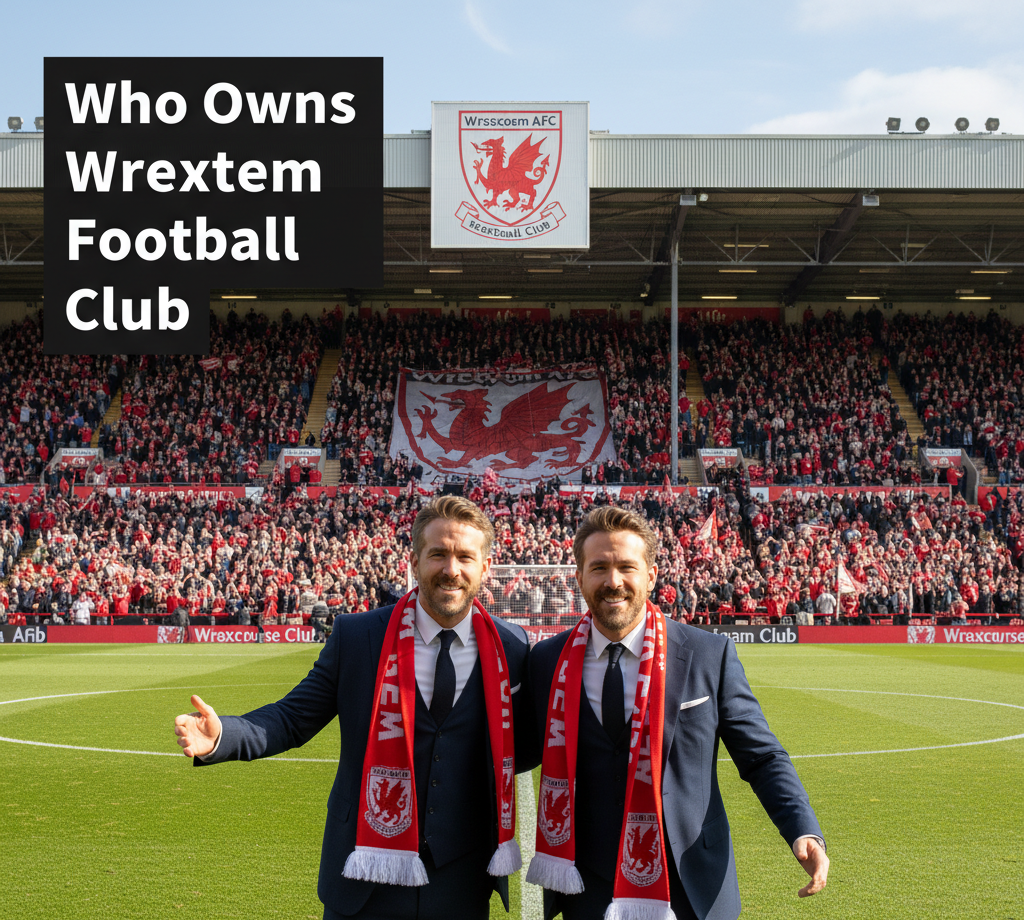
If you’ve ever wondered “who owns Wrexham football club”, you’re in the right place. Wrexham AFC, one of the oldest football clubs in the world, has recently become a global sensation, not only for its on-field success but also for its unusual and high-profile ownership. In this article, we’ll dive into the ownership history, the current owners, and how they transformed the club into a worldwide phenomenon.
Introduction to Wrexham Football Club
Wrexham Football Club is based in the historic town of Wrexham, North Wales. Founded in 1864, it is one of the oldest football clubs still active today. The club has a long history of highs and lows, ranging from league promotions to financial struggles. For decades, it played in the lower divisions of English football and was largely known only to local fans.
However, everything changed in the early 2020s when Wrexham attracted global attention due to a high-profile takeover. The question many fans and football enthusiasts started asking was: who owns Wrexham football club?
The Current Owners: Ryan Reynolds and Rob McElhenney
The most significant chapter in Wrexham’s history began in 2020, when Hollywood stars Ryan Reynolds and Rob McElhenney decided to purchase the club. The takeover was officially completed in early 2021, marking the beginning of a new era for Wrexham.
- Ryan Reynolds, famous for his acting career, brought global attention and media influence.
- Rob McElhenney, a creative force behind several television projects, took a hands-on approach in managing the club’s future.
Together, they became joint majority owners, meaning they have full control over the club’s decisions, finances, and long-term plans.
Why Did They Buy Wrexham?
The ownership by Reynolds and McElhenney is not just about football. Their investment had multiple goals:
1. A Love for Football
Rob McElhenney has been passionate about football for many years. He saw Wrexham as a club with immense potential to grow and succeed on the field.
2. The Underdog Story
Wrexham was struggling in the lower leagues and was in need of financial and structural support. The owners were drawn to the challenge of revitalizing a historic club and turning it into a success story.
3. Global Brand Potential
With their Hollywood influence, Reynolds and McElhenney saw the opportunity to make Wrexham a global brand. Their ownership would attract international fans and sponsors, increasing the club’s financial stability.
Impact of New Ownership
Since the takeover, Wrexham has experienced remarkable growth both on and off the pitch. Here’s what has changed:
1. On-Field Success
Under the new ownership, Wrexham has climbed the football ladder. The club has achieved several promotions, moving up divisions at a pace that surprised many football analysts. This success has not only boosted morale but also increased attendance and fan engagement.
2. Financial Growth
The owners have invested heavily in the club, including:
- Player acquisitions
- Improved training facilities
- Stadium upgrades
As a result, Wrexham has become financially stronger and more attractive to investors and sponsors.
3. Media and Marketing
One of the most unique aspects of Reynolds and McElhenney’s ownership is their media approach. They launched a documentary series about the club, which drew international attention and increased the club’s fanbase worldwide. Wrexham is now more than just a local club—it’s a global phenomenon.
Wrexham’s Ownership Structure
Here’s a simple breakdown of who owns Wrexham:
- Majority Owners: Ryan Reynolds and Rob McElhenney
- Minor Investors: A small group of investors with limited stakes
- Control: The majority owners make all key decisions regarding the club’s management, finances, and strategic direction
This structure ensures that the owners have full control, while still allowing for some external investment to support the club’s growth.
Why Wrexham’s Ownership Is Unique
Wrexham is not like other football clubs in the lower leagues. Most clubs at this level are owned by local businessmen or community groups. Wrexham stands out because:
- The owners are international celebrities with extensive media influence
- There is a strong focus on marketing and brand-building
- Investments are aimed not just at immediate success, but at long-term growth
This combination of celebrity, business strategy, and football expertise makes Wrexham’s ownership a unique case in world football.
The Community Aspect
Despite being owned by Hollywood stars, Wrexham has remained closely connected to its local community. The owners regularly engage with fans, support local projects, and invest in initiatives that benefit Wrexham as a town. This approach has earned them immense respect and loyalty from fans, who initially feared that celebrity ownership might overshadow local identity.
Challenges and Opportunities
Owning a football club, especially one in the lower leagues, comes with challenges:
- Sustaining long-term financial investment
- Balancing on-field performance with business goals
- Meeting fans’ expectations
However, Wrexham’s owners have approached these challenges strategically. Their focus on marketing, media, and community engagement has created opportunities for global recognition and financial growth.
Conclusion
So, who owns Wrexham football club? The answer is clear: Ryan Reynolds and Rob McElhenney are the majority owners, with a few minor investors holding smaller stakes. Their ownership has revitalized the club, transforming it into a global football brand while keeping its historic roots intact.
Wrexham’s story is a testament to the power of visionary ownership and the impact that strategic investment can have on a football club. From financial stability to international recognition, Reynolds and McElhenney have shown that the right owners can change the destiny of a club—turning an underdog into a worldwide sensation.
FAQs About Wrexham Ownership
Q1: When did Ryan Reynolds and Rob McElhenney buy Wrexham?
They completed the takeover in early 2021.
Q2: Are there other investors in Wrexham?
Yes, but they hold minor stakes. Reynolds and McElhenney remain the majority owners.
Q3: Has ownership improved the club’s performance?
Absolutely. Wrexham has achieved multiple promotions and increased global fan engagement.
Q4: Will Wrexham become a Premier League club?
While ambitious, the owners’ long-term strategy focuses on steady growth and sustainable success, which could eventually make that possible.
Q5: How has the community benefited?
The owners support local projects, upgrade facilities, and engage with fans, maintaining Wrexham’s local identity.