
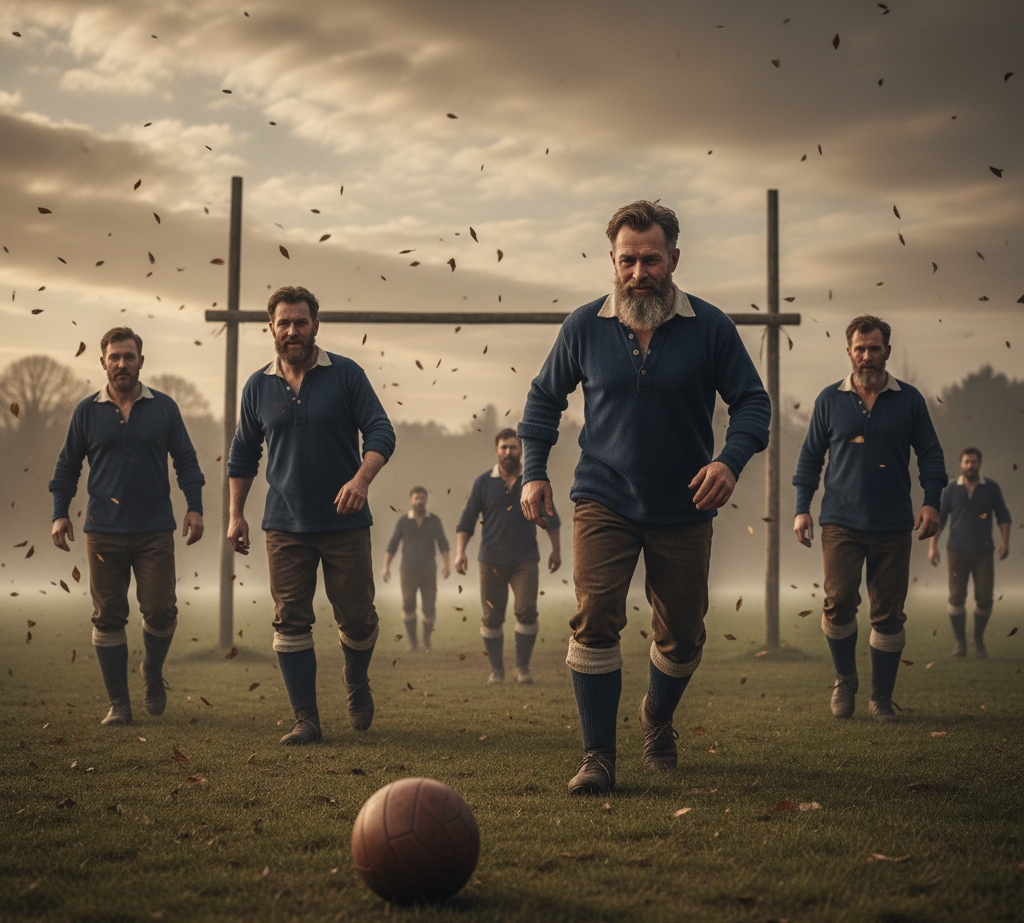
If you love football, you’ve probably wondered at some point: which club started it all? Who was the very first team to organize proper matches with rules, kits, and regular fixtures? The answer takes us back to the streets of 19th-century England and a club that’s still playing today.
The oldest football club is a title that carries huge historical weight. It’s not just about being first — it’s about laying the foundation for the beautiful game we all enjoy now. In this guide, I’ll walk you through the story of football’s oldest clubs, why it matters, and what we can learn from these pioneers.
What Is the Oldest Football Club?
The title of the world’s oldest football club generally goes to Sheffield FC, founded in 1857 in Sheffield, England. FIFA and the Football Association officially recognize them as the oldest independent football club still in existence.
Sheffield FC was formed by a group of cricket players looking for something to do in the winter months. They started playing a version of football with their own set of rules. This was before the modern Football Association rules were standardized in 1863.
Other early contenders include:
- Notts County (1862) — Often recognized as the oldest professional football club.
- Stoke City (1863) — Claims of being one of the earliest.
- Various Scottish clubs with roots in the same era.
But Sheffield FC holds a special place as the first organized club dedicated to the sport.
Why the Oldest Football Club Matters Today
Understanding the history of the oldest football club helps us appreciate how far the game has come. Football wasn’t always the global phenomenon it is now. It started as a local pastime with varying rules in different regions.
These early clubs standardized the sport. They created the framework for leagues, competitions, and the beautiful game we recognize today. Their legacy lives on in everything from the Premier League to World Cup tournaments.
For modern fans, knowing this history adds depth to the sport. It reminds us that behind the big-money transfers and superstar players is a game with humble, community-focused roots.
Key Features of These Pioneer Clubs
What made these early clubs special?
- Innovation — They experimented with rules that eventually became the foundation of modern football.
- Community Focus — Many started as groups of friends or work colleagues looking for exercise and camaraderie.
- Longevity — Surviving for over 150 years shows incredible resilience through wars, economic changes, and evolving sports landscapes.
- Amateur Spirit — Sheffield FC still maintains strong amateur principles despite the professional era.
Sheffield FC, for example, played a key role in the development of the FA rules and even influenced how the game spread internationally.
Practical Examples: How These Clubs Shaped Football
Sheffield FC didn’t just play matches locally. They helped codify many rules we take for granted today, such as the use of a referee and defined pitch markings. Their influence spread as players and enthusiasts carried the ideas to other parts of Britain and beyond.
Notts County’s journey from early amateur days to becoming a professional club in the Football League shows how the sport commercialized while maintaining historical roots. They’ve faced financial challenges but continue to represent resilience.
These clubs prove that football’s foundations were built on passion rather than money. Many modern fan-owned clubs draw inspiration from this early community spirit.
Common Mistakes People Make When Discussing the Oldest Club
- Assuming it’s a big Premier League club — Many think it must be one of the famous names like Manchester United or Liverpool.
- Confusing oldest with most successful — Longevity doesn’t always equal trophies.
- Ignoring different codes — Some debates mix association football with rugby or Australian rules.
- Overlooking Sheffield FC — Because they play in lower leagues, people sometimes forget their historical importance.
- Focusing only on founding date — Continuity and current activity matter too.
A common error is thinking the oldest club must be the best. History shows that survival and influence are just as impressive as silverware.
Step-by-Step: How These Early Clubs Changed Football
- Organized Play — Brought structure to informal kickabouts.
- Rule Development — Created consistent laws that allowed fair competition.
- Club Infrastructure — Established grounds, membership systems, and fixtures.
- Spreading the Game — Helped popularize football across regions and countries.
- Foundation for Leagues — Paved the way for organized competitions like the Football League.
Sheffield FC’s decision to codify rules in the 1850s was a pivotal moment that influenced everything that followed.
Tips for Football History Enthusiasts
- Visit Sheffield FC if you can — they have a museum and still play at their home ground.
- Read books about the early days of football to understand the social context.
- Support lower-league historic clubs — they preserve important parts of the game’s heritage.
- Appreciate how rules evolved — modern VAR debates seem small compared to 19th-century disagreements over handling the ball.
For aspiring historians or players: understanding the roots of the game gives you greater appreciation for its current form.
Future Trends: Preserving Football’s Heritage
As football becomes more commercial, there’s growing interest in preserving history. Clubs like Sheffield FC serve as important reminders of the game’s community origins. We may see more emphasis on heritage in marketing, tourism, and youth development.
The oldest football club continues to inspire new generations while maintaining its unique place in sporting history.
Final Thoughts: More Than Just the Oldest
The oldest football club isn’t just a footnote in history books. It represents the birth of organized sport as we know it — a gathering of friends who created something that would eventually captivate billions.
Whether it’s Sheffield FC’s pioneering spirit or the endurance of other early clubs, their legacy reminds us that football started with passion and community. In our modern era of big money and global superstars, that’s worth remembering.
Next time you watch a match, take a moment to think about those early pioneers kicking a ball around in Sheffield. The beautiful game owes them a great deal.