
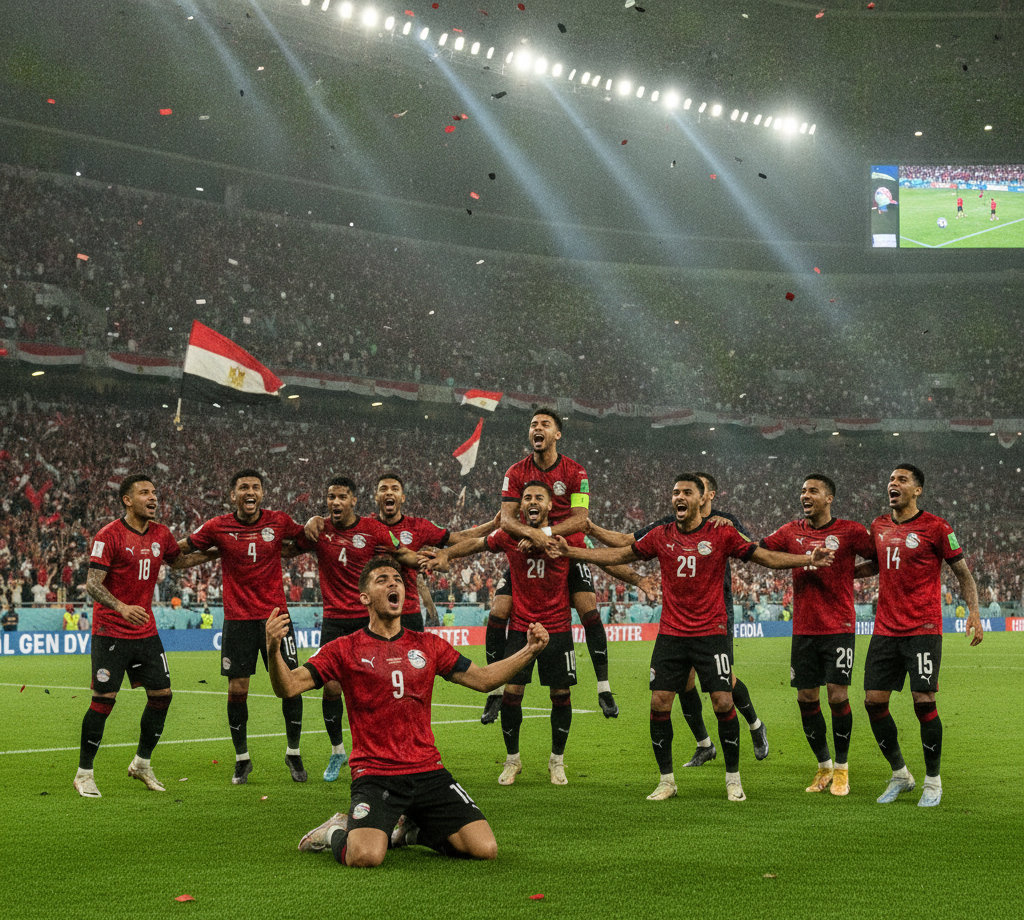
Many football fans outside Africa are surprised when they learn that Egypt is the most successful team in Africa Cup of Nations history.
What makes this achievement remarkable is the level of competition involved.
Throughout different eras, Egypt has had to compete against football nations such as:
- Cameroon
- Nigeria
- Senegal
- Algeria
- Morocco
- Ivory Coast
- Ghana
Winning a single continental title is difficult.
Winning multiple titles across different generations is what separates football giants from occasional champions.
Egypt’s dominance between 2006 and 2010 remains one of the greatest achievements in African football history.
The team won three consecutive AFCON tournaments, a feat that few national teams around the world have managed in major continental competitions.
How Egypt Won Three Straight AFCON Titles
Many casual fans assume Egypt’s success came from having one superstar player.
The reality was very different.
The team succeeded because of:
Strong Team Structure
Every player understood their role.
The team rarely relied on individual brilliance alone.
Tactical Discipline
Egypt was known for maintaining shape and organization throughout matches.
Opponents often struggled to break through their defensive structure.
Winning Mentality
One characteristic frequently mentioned by coaches and analysts was confidence.
The players entered tournaments believing they could beat anyone.
That mentality often becomes the difference in knockout football.
Mohamed Salah’s Impact Beyond Goals
When people discuss Egyptian football today, the conversation usually starts with Mohamed Salah.
However, his impact extends beyond scoring goals.
Global Recognition
Before Salah became a superstar, many casual football fans outside Africa paid little attention to Egyptian football.
His success in European football helped bring greater international attention to Egypt’s football culture.
Inspiration for Young Players
Youth coaches frequently mention how Salah’s journey has motivated young footballers across Egypt.
His career demonstrates that local talent can reach the highest levels of world football.
Raising Expectations
Salah’s achievements have increased expectations for future generations of Egyptian players.
Young footballers now have a modern example of what is possible.
The Match That Changed Egyptian Football History
One of the most memorable moments in modern Egyptian football came during qualification for the 2018 FIFA World Cup.
Egypt had waited decades to return to football’s biggest tournament.
In a crucial qualification match, Mohamed Salah scored a dramatic late penalty that helped secure qualification.
The celebrations that followed spread throughout the country.
For many supporters, that moment represented years of hope and frustration finally turning into success.
Even fans who regularly follow international football often cite it as one of Africa’s most emotional qualification stories.
What Makes Egypt Difficult to Play Against?
Football analysts often identify several tactical strengths that have helped Egypt remain competitive.
Defensive Organization
Egypt traditionally places strong emphasis on maintaining defensive shape.
This reduces the amount of space available to opposing attackers.
Patience in Possession
Rather than forcing attacks, Egyptian teams often build opportunities gradually.
This approach helps maintain control during important matches.
Experience in Tournament Football
Years of AFCON participation have provided valuable experience in knockout competitions.
Experienced teams often perform better in pressure situations.
Common Mistakes Football Fans Make When Judging Egypt
Comparing AFCON to Smaller Regional Competitions
Some fans underestimate AFCON because they are unfamiliar with African football.
In reality, the tournament regularly features elite players from Europe’s top leagues.
Winning AFCON requires overcoming several strong opponents.
Focusing Only on World Cup Results
A country’s football quality cannot be judged solely by World Cup performance.
Continental competitions also reveal a team’s strength and consistency.
Egypt’s AFCON record demonstrates long-term excellence.
Assuming Egypt Depends Entirely on Salah
Although Salah is the team’s most famous player, Egypt enjoyed major success long before his career began.
The country’s football tradition extends across multiple generations.
What Other Nations Can Learn From Egypt
Egypt’s football history offers valuable lessons.
Build a Football Culture
Successful national teams are often supported by strong domestic football traditions.
Prioritize Coaching
Quality coaching can improve player development at every level.
Value Teamwork
Several of Egypt’s most successful squads were built around collective strength rather than individual fame.
Think Long-Term
The strongest football nations invest in development systems that continue producing talent year after year.
Expanded FAQs
Why is Egypt called the Pharaohs?
The nickname reflects Egypt’s ancient civilization and one of the most recognizable historical cultures in the world.
What is Egypt’s greatest football achievement?
Many experts consider Egypt’s record number of Africa Cup of Nations titles and the three consecutive AFCON championships from 2006 to 2010 among the country’s greatest achievements.
Who is Egypt’s most successful football player?
Mohamed Salah is widely regarded as Egypt’s most internationally recognized footballer due to his achievements in European club football.
Why has Egypt been so successful in AFCON?
A combination of football culture, tactical organization, experienced players, and strong tournament mentality has contributed to Egypt’s success.
Which Egyptian players were important before Salah?
Several generations of talented footballers helped build Egypt’s football reputation long before Salah became a global star.
Is Egypt still one of Africa’s strongest teams?
Yes. Egypt continues to compete regularly in major African tournaments and remains one of the continent’s most respected football nations.
A Valuable Lesson for New Football Fans
One of the best ways to understand international football is to look beyond World Cup winners.
Teams like Egypt demonstrate that football greatness can also be measured through consistency, continental dominance, player development, and long-term success.
For anyone exploring African football, studying Egypt’s history provides insight into how a national team can remain competitive across multiple generations while adapting to changes in the modern game.