
Table of Contents
- Introduction to Texas A&M Aggies Football
- History of Texas A&M Football
- Team Identity and Proud Aggies Traditions
- Kyle Field and the Game Day Experience
- Championships and Major Achievements
- Famous Texas A&M Aggies Football Players
- Coaching Legacy and Team Development
- Recruiting Strategy and Player Growth
- Playing Style and Modern Football Strategy
- Benefits of Following Texas A&M Aggies Football
- Tips for New Texas A&M Football Fans
- Frequently Asked Questions (FAQ)
- Conclusion
Introduction to Texas A&M Aggies Football
Texas A&M Aggies football is one of the most recognized programs in college football, known for its strong traditions, loyal fan base, and competitive presence in the SEC football conference. The Aggies represent Texas A&M University athletics with pride, combining historic values with modern football performance.
Every season, fans closely follow the Texas A&M football schedule, watch player development, and analyze team performance in major NCAA football matchups. From thrilling rivalry games to bowl appearances, the program continues to attract national attention.
One of the defining strengths of Texas A&M Aggies football is the unmatched support of its fans, often called the “12th Man,” who play a vital role in team motivation.
History of Texas A&M Football
Early Years and Foundation
The Texas A&M Aggies football program began in 1894, making it one of the oldest teams in college football history. In its early days, the team played regional opponents while gradually building skill, teamwork, and confidence.
These early seasons helped shape the strong culture that still defines Texas A&M football traditions today. The team focused on discipline, teamwork, and structured training.
Important early milestones included:
- Formation of the official Aggies football team
- Participation in regional college competitions
- Development of organized training routines
- Expansion of local fan support
This foundation allowed the Aggies to grow into a respected NCAA college football program.
Growth Into National Recognition
As football became more competitive nationwide, Texas A&M Aggies football began improving its performance and gaining national recognition. Better coaching methods and stronger recruiting helped the team compete with top-ranked programs.
Several key factors contributed to this growth:
- Introduction of advanced training techniques
- Improved recruitment of skilled athletes
- Participation in national bowl games
- Increased exposure through television broadcasts
Over time, consistent improvement helped Texas A&M earn respect in national college football rankings.
Team Identity and Proud Aggies Traditions
The Spirit of the Aggies
Few teams in college football culture have traditions as strong as the Aggies. The program emphasizes discipline, loyalty, and unity among players and fans.
The identity of Texas A&M Aggies football is closely tied to teamwork and respect for school history. The Aggies community includes students, alumni, and supporters who stay connected through sports.
Key features that define the team identity include:
- Strong sense of loyalty
- Military-style discipline traditions
- Active student participation
- Dedicated alumni involvement
These values continue to shape the Aggies football culture every season.
Famous Aggies Game Day Traditions
Game day traditions are one of the biggest attractions for Texas A&M football fans. These traditions create a powerful connection between the players and the crowd.
Popular traditions include:
- The 12th Man tradition, representing fan readiness to support the team
- Midnight Yell Practice before games
- Organized stadium chants
- Pre-game ceremonies that energize players
The 12th Man is widely recognized as one of the most powerful fan traditions in college football.
Kyle Field and the Game Day Experience
Home Stadium of Texas A&M Football
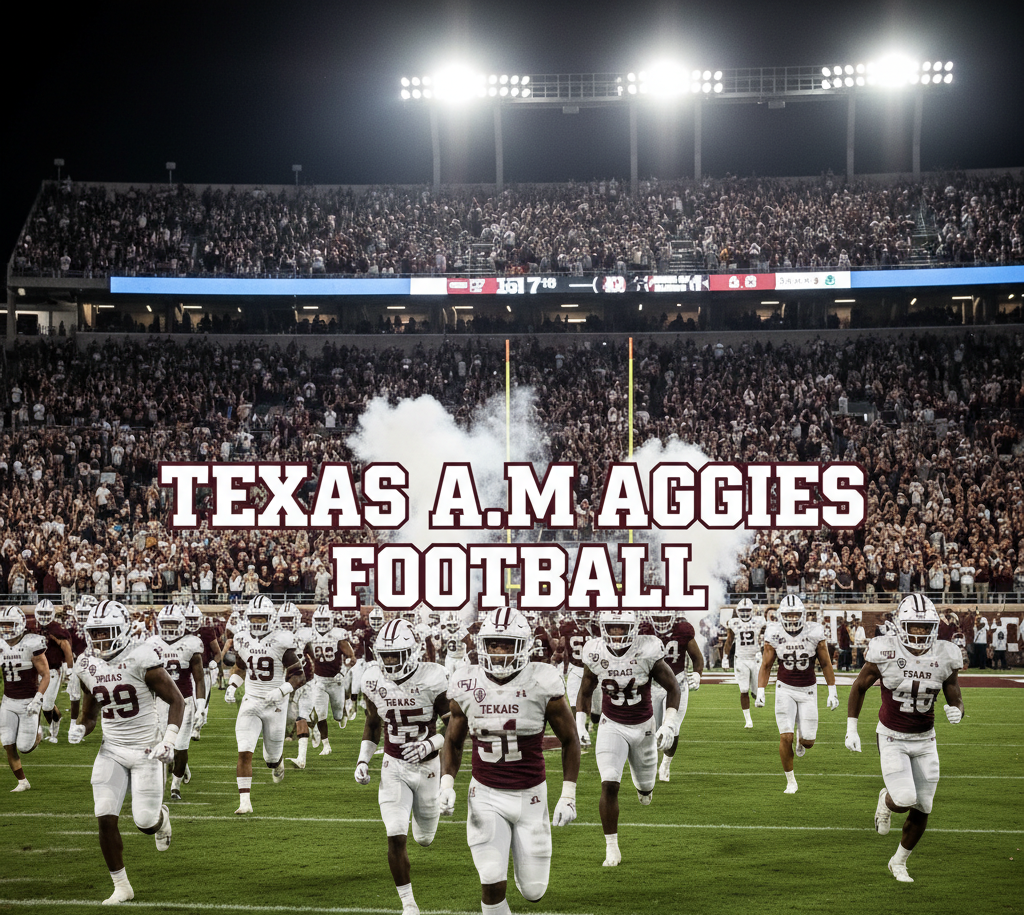
Kyle Field is considered one of the largest stadiums in college football stadium rankings. It provides an intense home-field advantage due to its size and crowd energy.
The stadium offers:
- Seating capacity of over 100,000 fans
- Modern sports technology and facilities
- Wide viewing areas
- Loud crowd atmosphere
Many visiting teams consider Kyle Field one of the most challenging places to play in college football.
Game Day Atmosphere
Game day at Texas A&M is more than just a football match—it’s an event filled with excitement and celebration.
Fans enjoy:
- Tailgating events before kickoff
- Marching band performances
- Student-led cheers
- Post-game celebrations
These traditions make the Texas A&M game day experience unforgettable for attendees.
Championships and Major Achievements
Conference Success
Over the years, Texas A&M Aggies football has achieved multiple successes in conference competitions. Strong teamwork and disciplined performance helped the team earn recognition across college football.
Notable achievements include:
- Conference championship titles
- Major bowl game victories
- National ranking appearances
- Recognition for strong defensive performance
These achievements reflect the dedication of players and coaches.
Impact of Bowl Games
Bowl games play a major role in increasing national exposure for Texas A&M football programs.
Benefits of bowl participation include:
- Increased national visibility
- Improved team confidence
- Enhanced recruiting opportunities
- Greater fan engagement
Regular bowl appearances demonstrate consistent team performance and strong preparation.
Famous Texas A&M Aggies Football Players
Legendary Aggies Athletes
Several athletes from Texas A&M Aggies football have achieved national fame and professional success.
Well-known players include:
- Johnny Manziel
- Von Miller
- Mike Evans
- Ryan Tannehill
These players made significant contributions to the Texas A&M football roster during their college years.
Professional Football Success
Many former Aggies players transition into professional football leagues. Their experience at Texas A&M helps prepare them for high-level competition.
Key development advantages include:
- Access to modern training facilities
- Competitive match experience
- Professional-level coaching
- Strong conditioning programs
These factors strengthen the program’s reputation among recruits.
Coaching Legacy and Team Development
Importance of Coaching Leadership
Coaches play a vital role in shaping Texas A&M Aggies football strategy and long-term success. Their leadership influences both team discipline and tactical performance.
Essential coaching qualities include:
- Strong leadership skills
- Tactical awareness
- Ability to motivate players
- Strategic game planning
These qualities help teams remain competitive across seasons.
Modern Coaching Techniques
Modern football requires continuous adaptation. Texas A&M coaches rely on advanced systems to improve team performance.
Common methods include:
- Reviewing match recordings for performance analysis
- Tracking player fitness levels
- Adjusting strategies based on opponent strengths
- Encouraging teamwork through structured practice
Smart coaching decisions often determine the outcome of high-pressure games.
Recruiting Strategy and Player Growth
Recruitment Process
Recruitment plays a critical role in maintaining the strength of Texas A&M Aggies football. Coaches search for talented athletes who can contribute to the team’s success.
Important recruitment factors include:
- Speed and athletic ability
- Leadership qualities
- Academic performance
- Teamwork skills
Strong recruitment keeps the Texas A&M football roster competitive.
Player Development Programs
After recruitment, athletes undergo detailed training programs that improve physical and mental performance.
Development programs often include:
- Strength and conditioning workouts
- Tactical practice sessions
- Film study and performance review
- Injury prevention training
These systems help players perform consistently during competitive seasons.
Playing Style and Modern Football Strategy
Offensive Strength
A key feature of Texas A&M football strategy is its balanced offensive system. The team combines passing and running plays to maintain flexibility during games.
Key offensive strengths include:
- Fast decision-making
- Strategic passing plays
- Efficient rushing attacks
- Strong offensive line coordination
This balanced system helps maintain consistent scoring opportunities.
Defensive Excellence
Defensive performance is equally important in SEC college football competitions.
Important defensive techniques include:
- Zone coverage strategies
- Defensive line pressure
- Strategic tackling methods
- Game-time adjustments
Strong defense often determines the outcome of closely contested games.
Benefits of Following Texas A&M Aggies Football
Following Texas A&M Aggies football offers several advantages for fans and sports enthusiasts.
Key Benefits
- Opportunity to watch exciting college football games
- Access to strong sports traditions
- Learning modern football strategies
- Engaging with a passionate fan community
Following Aggies football helps fans understand the teamwork and discipline required in competitive sports.
Tips for New Texas A&M Football Fans
If you’re new to following the Aggies, these tips will help you stay connected.
Helpful Tips
- Check the Texas A&M football schedule regularly.
- Watch live games when possible.
- Learn about key rivalries and traditions.
- Follow team news and updates.
- Join fan communities to stay engaged.
These steps make it easier to understand team performance and player progress.
Frequently Asked Questions (FAQ)
1. What conference does Texas A&M Aggies football play in?
Texas A&M competes in the SEC football conference, one of the most competitive leagues in college football.
2. Where do the Aggies play their home games?
They play home games at Kyle Field, known for its massive crowd and loud atmosphere.
3. What is the 12th Man tradition?
The 12th Man represents the fans who support the team and create strong energy during games.
4. Who are some famous Texas A&M football players?
Notable players include Johnny Manziel, Von Miller, Mike Evans, and Ryan Tannehill.
5. Why is Texas A&M football popular?
Its strong traditions, competitive teams, and passionate fan base make it widely recognized across college football.
Conclusion
Texas A&M Aggies football continues to stand as one of the most respected programs in college football history. With strong traditions, modern coaching methods, and dedicated fans, the Aggies maintain a powerful presence in national competitions.
From historic traditions like the 12th Man to competitive performances in major games, the program represents discipline, teamwork, and dedication.