
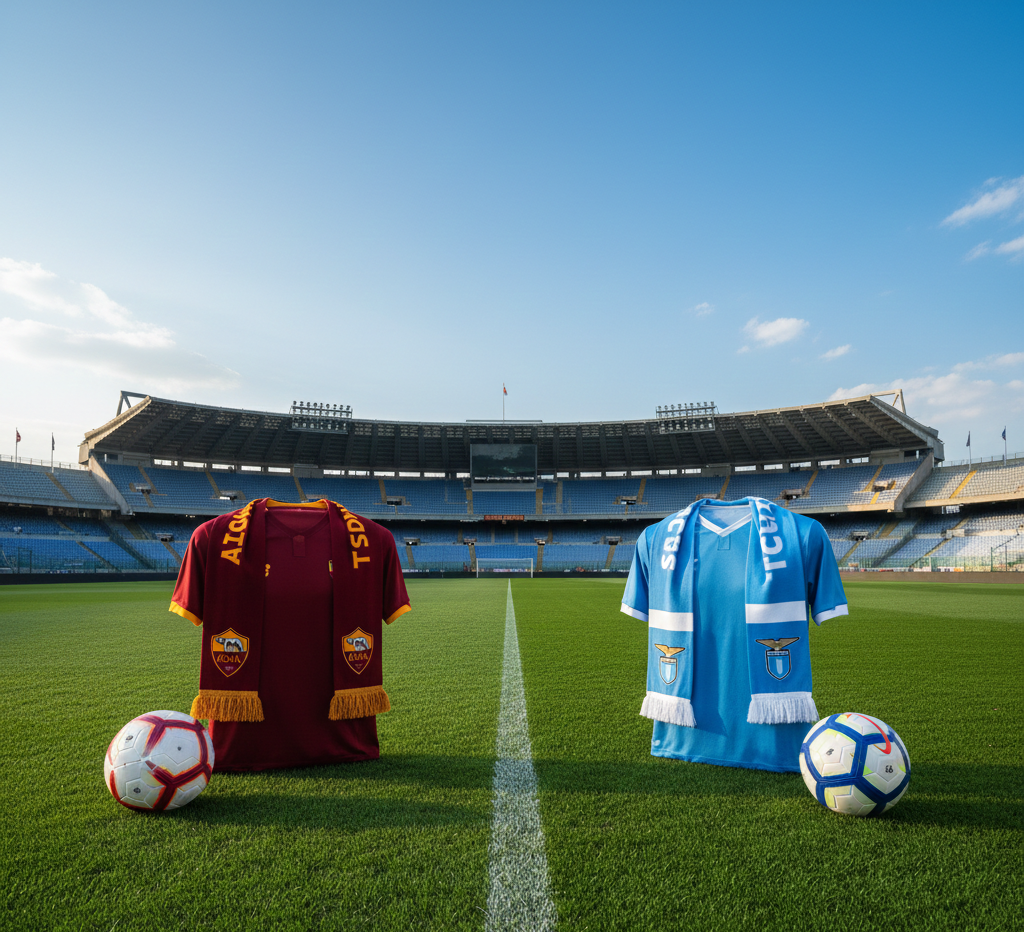
Rome, Italy’s historic capital, is renowned for its ancient architecture, vibrant culture, and legendary cuisine. Yet, beyond its historical treasures, the city is a powerhouse of football culture. Rome football clubs are central to the city’s identity, inspiring millions of fans, fostering local talent, and creating unforgettable sporting moments.
Football in Rome is more than a sport — it’s a way of life. From passionate rivalries to iconic stadiums and celebrated players, the clubs of Rome have shaped Italian football history and left a global mark.
This article explores the major football clubs in Rome, their history, culture, rivalries, achievements, and impact on fans and communities.
1. AS Roma: The Pride of the Capital
Associazione Sportiva Roma, known as AS Roma, was founded in 1927 to unify the city’s football scene under one major team. Since then, Roma has become a symbol of the city, representing Rome in Serie A and European competitions.
History and Identity
AS Roma’s deep red and golden yellow colors reflect the city’s traditional tones, symbolizing strength, passion, and pride. The club has built a reputation for producing iconic players and memorable moments on the pitch.
Achievements
AS Roma has won several Serie A titles and Coppa Italia trophies, establishing itself as one of Italy’s elite clubs. European campaigns have brought additional recognition, with Roma frequently competing in the UEFA Champions League and Europa League.
Fan Culture
Fans of AS Roma, known as tifosi, are passionate and loyal. The Stadio Olimpico transforms into a fortress on matchdays, with chants, banners, and vibrant displays creating an electric atmosphere. The connection between the club and its supporters is deeply emotional, reflecting the city’s culture and pride.
2. SS Lazio: The Sky Blues of Rome
Società Sportiva Lazio, or Lazio, is another major club from Rome, founded in 1900. Lazio is known for its sky-blue jerseys and strong competitive spirit. The club shares the Stadio Olimpico with AS Roma, making it one of the most intense football rivalries in the world.
History and Identity
Lazio’s history reflects tradition and resilience. Over the decades, the club has cultivated a strong identity rooted in competitiveness, loyalty, and community involvement.
Achievements
Lazio has claimed Serie A titles, Coppa Italia victories, and European honors, including success in UEFA competitions. These achievements have made Lazio a respected force in Italian and European football.
Fan Culture
Lazio fans are renowned for their passionate support. The rivalry with Roma, known as the Derby della Capitale, is one of football’s fiercest, bringing unmatched energy to Rome’s streets and stadiums. The derby is not just a match — it is a cultural event, embodying pride, tradition, and intense loyalty.
3. The Derby della Capitale: Rome’s Fiercest Rivalry
The Derby della Capitale between AS Roma and SS Lazio is more than a football match; it is a spectacle of history, culture, and passion.
Intensity: Matches are fiercely contested, with both sides giving their all.
Fan Engagement: Supporters display elaborate choreographies, chants, and banners.
Citywide Impact: The derby affects the city’s daily life, with streets decorated in team colors and a heightened sense of local pride.
This rivalry defines the essence of football in Rome and is a major draw for global audiences, highlighting the city’s unique sporting culture.
4. Smaller and Historic Clubs in Rome
Beyond the giants, Rome hosts several smaller football clubs that play important roles in nurturing talent and supporting local communities.
Lupa Roma FC
A club that has competed in Italy’s lower divisions, Lupa Roma focuses on youth development and fostering emerging football talent.
AS Lodigiani
Known for its strong youth academy, AS Lodigiani has contributed significantly to developing players who later join top clubs.
Other Local Clubs
Various regional clubs across Rome maintain amateur and semi-professional competitions, offering pathways for aspiring footballers to grow and compete.
5. Youth Development and Grassroots Football
Rome football clubs are heavily invested in youth development. Academies and training programs focus on skill-building, tactical understanding, and character development.
Training Programs: Structured sessions for passing, dribbling, shooting, and defensive techniques.
Competitive Opportunities: Local and regional youth leagues allow players to experience real competition.
Community Engagement: Clubs organize camps, workshops, and school initiatives to introduce football to children and teens.
These efforts ensure Rome continues to produce world-class talent and maintain a strong football culture for generations.
6. Stadiums and Football Atmosphere in Rome
Stadio Olimpico
The Stadio Olimpico is Rome’s football epicenter. It hosts AS Roma and SS Lazio matches and is the stage for historic derbies and international events. With a large seating capacity and modern facilities, it offers an unmatched experience for fans.
Matchday Experience
Matchdays in Rome are vibrant celebrations of sport and culture. Fans gather hours before kickoff, singing and waving banners. Local streets, cafes, and piazzas buzz with anticipation, creating an immersive football environment.
Community Stadiums
Smaller clubs in Rome utilize community fields for training and matches, fostering grassroots participation and providing opportunities for aspiring footballers.
7. Rome Football Clubs and Global Impact
Rome football clubs are more than local institutions — they are global brands with international followings.
AS Roma: Known worldwide, with millions of fans across Europe, Asia, and the Americas.
SS Lazio: Also enjoys a global fanbase and participates in European competitions.
Player Exports: Rome clubs have produced talent that competes in top leagues worldwide.
Through media, merchandising, and international tournaments, Rome’s clubs contribute significantly to Italy’s global football presence.
Conclusion: The Legacy of Rome Football Clubs
Rome football clubs, led by AS Roma and SS Lazio, represent passion, tradition, and excellence in football. Their history, achievements, rivalries, and community engagement make them central to the cultural fabric of the Eternal City.
Beyond professional play, Rome’s smaller clubs, youth academies, and local leagues ensure that football thrives at all levels. From the roar of the Stadio Olimpico to grassroots football pitches across the city, Rome’s football culture is alive, dynamic, and inspiring.
Whether you are a devoted fan, an aspiring player, or a football enthusiast, exploring Rome football clubs offers insight into one of the most passionate football cities in the world.