
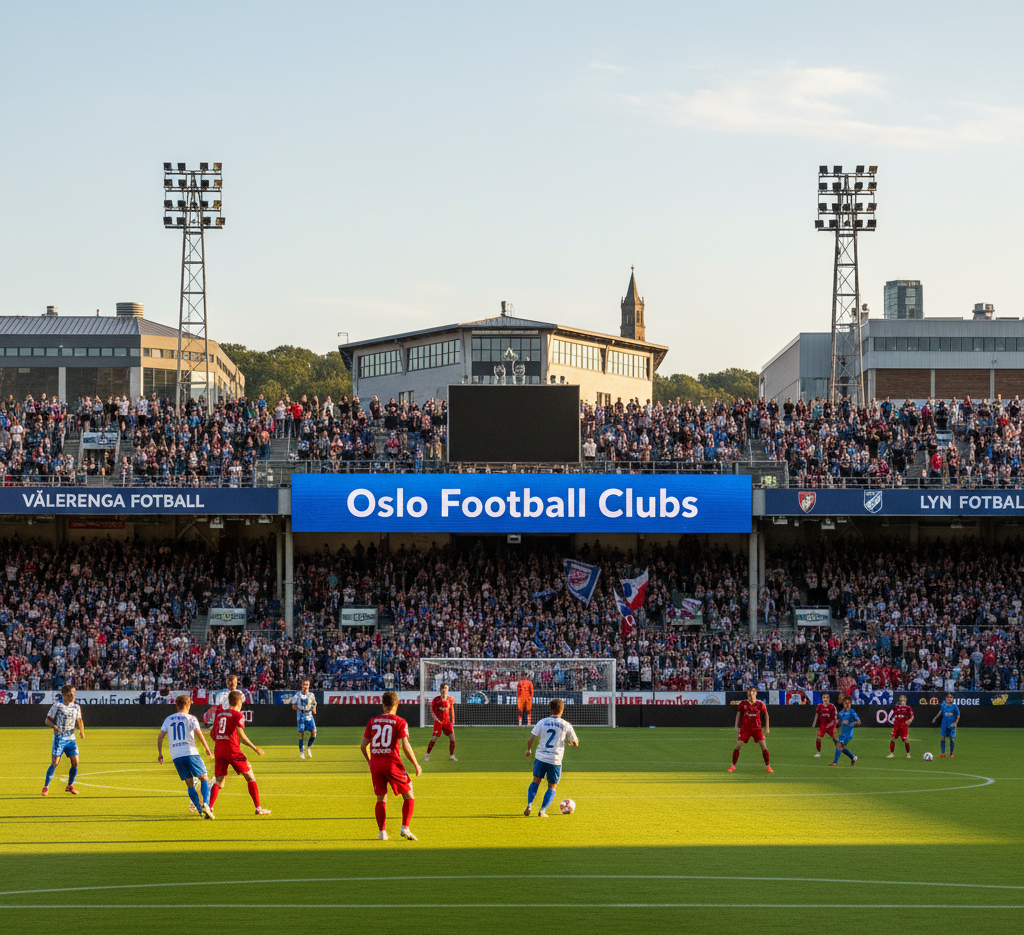
Football is more than just a sport in Oslo—it is a vibrant part of the city’s culture and community. The Norwegian capital is home to several renowned football clubs that have contributed to the development of the sport at both national and international levels. Oslo football clubs are known for their passionate supporters, strong youth academies, and competitive spirit, making the city a hub for football lovers.
In this guide, we will explore the major football clubs in Oslo, their history, achievements, fan culture, youth development programs, and how they contribute to the city’s football ecosystem.
The Significance of Oslo Football Clubs
Oslo, as Norway’s capital, has a unique role in the country’s football landscape. Football clubs in Oslo:
Promote local talent through youth academies
Compete in national leagues and cup competitions
Foster community engagement through events and programs
Provide opportunities for fans to participate and support the sport
By studying Oslo football clubs, we gain insight into Norway’s football culture, infrastructure, and the city’s passion for the sport.
Major Oslo Football Clubs
Several football clubs in Oslo have made a name for themselves over the years. The most notable include:
1. Vålerenga Fotball
Vålerenga is one of Oslo’s most famous football clubs. Founded in 1913, the club plays in the Eliteserien, Norway’s top professional football league.
Key Facts:
Home stadium: Intility Arena
Achievements: Multiple Norwegian league titles and Norwegian Cup victories
Fan base: Known as “Klanen,” Vålerenga supporters are famous for their loyalty and vibrant matchday atmosphere
Youth development: Strong academy programs nurturing local talent
Vålerenga is not just a club; it is a cultural institution in Oslo, representing pride and identity for many local football enthusiasts.
2. Lyn Fotball
Lyn Fotball, founded in 1896, is one of Norway’s oldest football clubs. The club has a rich history and has played in both the top and lower divisions of Norwegian football.
Key Facts:
Home stadium: Bislett Stadium
Achievements: Multiple league championships and Norwegian Cup wins historically
Fan culture: Supporters are known for their dedication, even during periods of financial difficulty
Community role: Lyn focuses heavily on youth development and promoting grassroots football
Lyn’s legacy makes it a cornerstone of Oslo football, balancing tradition with modern football development.
3. Kjelsås Fotball
Kjelsås is a smaller club in Oslo but plays an important role in the local football scene.
Key Facts:
Focus on youth development and community programs
Competes in lower divisions but produces talented players
Offers opportunities for local residents to engage in football recreationally
Kjelsås exemplifies the community-focused approach of Oslo football clubs, where participation and development are as important as competition.
4. Other Notable Oslo Clubs
Grorud IL: Known for youth football and strong community involvement
Nordstrand IF: Offers football, handball, and other sports, emphasizing grassroots development
Holmlia SK: Focuses on local talent and participation for all ages
Each club contributes uniquely to Oslo’s football ecosystem, ensuring opportunities for professional, semi-professional, and recreational players.
Youth Development Programs in Oslo
One of the standout features of Oslo football clubs is their commitment to youth development. These clubs run structured programs to nurture the next generation of football talent.
Structure of Youth Academies
Age Groups: From under-8 to under-19
Training Focus: Technical skills, tactical awareness, fitness, and sportsmanship
Competition: Participation in local, regional, and national tournaments
Success Stories
Many youth players from Oslo clubs have gone on to play in Norway’s top league, Eliteserien, and even internationally. Youth academies serve as pipelines for both domestic and foreign talent.
Community Engagement
Beyond professional development, youth programs encourage:
Teamwork and discipline
Healthy lifestyle and physical fitness
Social inclusion through football initiatives
These programs solidify football’s role as a community-building sport in Oslo.
Fan Culture and Matchday Atmosphere
Oslo football clubs are known for their passionate and dedicated fans. Matchdays are lively events with chants, banners, and activities that foster a sense of community.
Vålerenga’s Klanen: Famous for coordinated chants, songs, and tifos
Lyn Supporters: Loyal and resilient, maintaining strong engagement even in challenging times
Community Involvement: Local clubs organize family-friendly matchdays, youth matches, and fan events
Fans play a crucial role in motivating players and enhancing the overall football experience in Oslo.
Stadiums and Facilities
Each Oslo football club has its own home ground, contributing to the city’s football infrastructure.
Intility Arena (Vålerenga): Modern stadium with seating for over 16,000 fans, designed for comfort and visibility
Bislett Stadium (Lyn): Historic stadium with strong ties to the city’s sporting culture
Smaller Community Grounds: Used by clubs like Kjelsås, Nordstrand, and Holmlia for training and local matches
These stadiums provide both professional-level facilities and community access for recreational football.
Women’s Football in Oslo
Oslo is also making strides in women’s football. Many clubs run women’s teams across various age groups, contributing to the growth of the sport nationally.
Youth teams: Encourage girls to participate from an early age
Professional teams: Some clubs compete in top-tier leagues for women’s football
Community outreach: Programs aimed at increasing female participation and engagement
Women’s football is rapidly gaining popularity in Oslo, mirroring global trends and contributing to inclusivity.
Challenges and Opportunities
While Oslo football clubs thrive in many areas, they face challenges such as:
Competition for talent with larger European clubs
Financial sustainability for smaller clubs
Maintaining fan engagement during periods of poor performance
However, opportunities abound:
Digital platforms for fan engagement and merchandise sales
Partnerships with local schools and businesses
International exposure through youth tournaments and collaborations
By addressing challenges strategically, Oslo football clubs continue to grow and maintain their relevance.
How to Get Involved
Fans and residents can support Oslo football clubs through:
Attending matches and creating a vibrant fan atmosphere
Joining club memberships or supporter groups
Volunteering in youth programs or community initiatives
Purchasing merchandise from official club shops
Engagement strengthens clubs’ community impact and ensures football remains a vital part of Oslo culture.
Future of Oslo Football Clubs
The future is promising for Oslo football clubs:
Continued investment in youth development
Modernizing facilities and stadiums
Expanding women’s football programs
Embracing technology for fan engagement and performance analysis
With a strong focus on growth and inclusivity, Oslo’s football scene is set to thrive in the coming years.
Final Thoughts
Oslo football clubs are more than just sports organizations—they are cultural institutions that unite communities, develop talent, and provide entertainment. From historic clubs like Vålerenga and Lyn to smaller community-focused teams, the city offers a rich football experience for players and fans alike.
Whether you are visiting Oslo, supporting a local team, or exploring youth programs, understanding the landscape of Oslo football clubs allows you to appreciate the city’s passion for the beautiful game.