
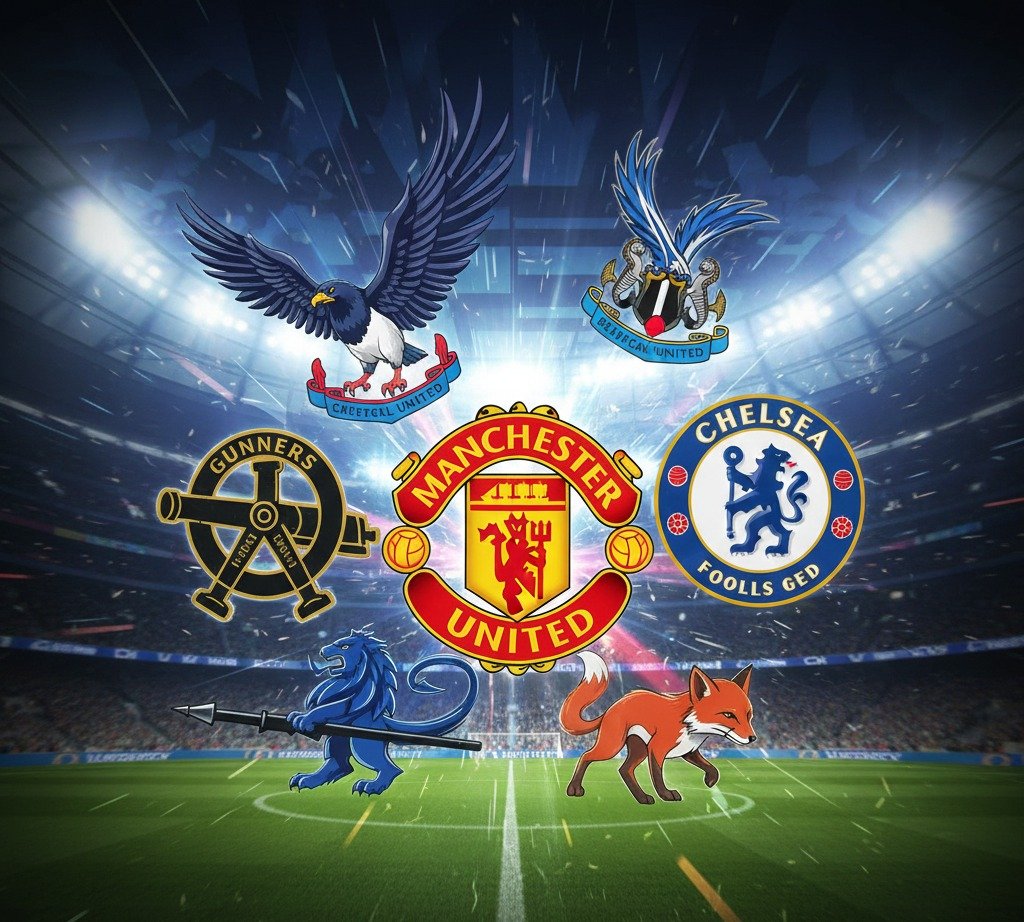
Football is more than a sport—it is culture, identity, passion, and tradition. One of the most fascinating aspects of football culture is the wide range of nicknames fans use to describe their favorite clubs. These nicknames often capture a club’s history, colors, philosophy, heritage, or even geography. They create a sense of unity among supporters and help define the club’s global identity.
From European giants like The Red Devils to South American favorites like Los Blancos and African powerhouses like The Buccaneers, football club nicknames have become a universal language in the world of sports.
This article explores the origins, meanings, and impact of football club nicknames, offering one of the most comprehensive guides for fans, writers, and anyone interested in football culture.
Why Football Club Nicknames Matter
Football club nicknames are more than just catchy phrases—they play an important role in identity and branding. Here’s why they matter:
A Symbol of Identity
Fans around the world instantly recognize clubs by their nicknames. Hearing “The Gunners” or “The Blues” instantly brings Arsenal and Chelsea to mind.
Strong Connection Between Club and Fans
Nicknames often originate from supporters. They become part of chants, banners, songs, and overall matchday atmosphere.
Cultural and Historical Value
Many nicknames reflect:
A club’s founding story
Colors or symbols
Job traditions of local people
Stadium characteristics
Famous animals, mascots, or heritage
Global Branding
A strong nickname becomes part of a club’s international brand. “The Red Devils,” for example, is recognized worldwide, sometimes even more than “Manchester United.”
Types of Football Club Nicknames
Most football club nicknames fall into a few major categories. Understanding these helps explain why each name exists.
Color-Based Nicknames
Many nicknames come from the club’s home colors. These are simple, memorable, and globally recognized.
Examples:
The Blues – Chelsea, Birmingham City, Everton
The Reds – Liverpool, Nottingham Forest
Los Blancos (The Whites) – Real Madrid
The Green and White Hoops – Celtic
The Black and Whites – Newcastle United, Notts County
Historical or Cultural Nicknames
Some clubs earned nicknames based on local profession, community traditions, or historical events.
Examples:
The Hammers – West Ham United (iron workers)
The Foxes – Leicester City (famous hunting region)
The Potters – Stoke City (industrial pottery history)
The Toffees – Everton (named after a local toffee shop)
Animal-Based Nicknames
Animals often symbolize strength, speed, or courage. Many clubs adopt them as powerful identity markers.
Examples:
The Lions – Aston Villa, Millwall
The Tigers – Hull City
The Eagles – Crystal Palace, Benfica
The Wolves – Wolverhampton Wanderers
Nicknames Based on Stadium or Geography
Some clubs get their nicknames from famous stadiums, cities, or regions.
Examples:
The Catalans – FC Barcelona
The Old Lady – Juventus (historic reference)
The Red Devils of Manchester – Man United’s famous inspiration from Salford rugby club
The Magpies – Newcastle United (black-and-white colors like a magpie bird)
Fan-Created Chants and Terms
Many nicknames originate from chants or phrases fans use during matches.
Examples:
The Toon – Newcastle (Geordie slang for “town”)
The Kopites – Liverpool supporters
The Citizens – Manchester City
Most Famous Football Club Nicknames: A Global Breakdown
This section highlights the most iconic nicknames club by club, categorized by region for easy readability.
Premier League Club Nicknames
Arsenal – “The Gunners”
Origin: Arsenal was founded by armament workers at Woolwich, inspiring the cannon symbol.
Chelsea – “The Blues”
Origin: Derived from their traditional blue kit.
Liverpool – “The Reds”
Origin: Club’s all-red kit introduced by Bill Shankly.
Manchester United – “The Red Devils”
Origin: Inspired by the Salford rugby club’s nickname, adopted in the 1960s.
Manchester City – “The Citizens”
Origin: Derived from the full name “Manchester City.”
Tottenham Hotspur – “Spurs” / “The Lilywhites”
Origin: “Spurs” refers to the full name; “Lilywhites” refers to their white shirts.
Newcastle United – “The Magpies”
Origin: Black-and-white stripes resemble magpie birds.
Everton – “The Toffees”
Origin: Named after a local sweet shop.
Wolverhampton – “Wolves”
Origin: Shortened version of the club’s name.
European Football Club Nicknames
FC Barcelona – “Barça” / “Blaugrana”
Meaning: Refers to blue (blau) and red (grana) colors.
Real Madrid – “Los Blancos”
Meaning: “The Whites,” referencing their iconic white kit.
Atlético Madrid – “Los Colchoneros”
Meaning: “The Mattress Makers,” referencing red & white striped mattresses.
Juventus – “La Vecchia Signora” (The Old Lady)
Meaning: Combination of respect for the old, historic club and nickname “Juve” sounding feminine in Italian.
AC Milan – “Rossoneri”
Meaning: “Red and Blacks,” referring to their kit.
Inter Milan – “Nerazzurri”
Meaning: “Black and Blues.”
Bayern Munich – “Die Roten” (The Reds)
Meaning: Based on their red colors.
Borussia Dortmund – “Die Schwarzgelben”
Meaning: “The Black and Yellows.”
Paris Saint-Germain – “Les Parisiens”
Meaning: The Parisians.
Ajax – “De Godenzonen” (Sons of the Gods)
Meaning: Reflecting Greek mythology and the club’s strong legacy.
South American Club Nicknames
Boca Juniors – “Xeneizes”
Meaning: Derived from the Genoese immigrants who founded the club.
River Plate – “Los Millonarios”
Meaning: “The Millionaires,” referencing their wealthy early transfers.
Flamengo – “Mengão”
Meaning: affectionate nickname from Brazilian fans.
Santos – “Peixe” (The Fish)
Meaning: Reflects the coastal city of Santos.
African Football Club Nicknames
Orlando Pirates – “The Buccaneers”
Meaning: Pirate-inspired branding.
Kaizer Chiefs – “Amakhosi”
Meaning: “Lords” or “Chiefs” in Zulu.
Al Ahly – “The Red Devils”
Meaning: Same as Manchester United, symbolizing their red colors.
Zamalek – “The White Knights”
Meaning: Based on their white kit and strong identity.
How Football Clubs Get Their Nicknames
Understanding how these nicknames evolve gives deeper meaning to football culture.
Kit Colors
This is the simplest and most universal naming source.
Examples:
Bluebirds – Cardiff City
The Clarets – Burnley
The Whites – Leeds United
Local Industry
Clubs often adopt names reflecting the city’s identity.
Examples:
The Blades – Sheffield United (steel industry)
The Irons – West Ham (shipbuilding, ironworks)
Animals
Animals symbolize strength or speed.
Examples:
The Eagles – Crystal Palace
The Foxes – Leicester City
Regional Identity
Some nicknames simply reflect where the club comes from.
Examples:
The Catalans – Barcelona
The Bavarians – Bayern Munich
Legends and Famous Stories
Myths and moments inspire timeless nicknames.
Examples:
Juventus’ “Old Lady”
Man United’s “Red Devils”
Stadium and Architecture
Even stadiums influence identity.
Examples:
The Old Gold – Wolves (gold kit + Molineux era)
How Nicknames Strengthen Football Fan Culture
Nicknames are a powerful branding force in football. Here’s how they enrich fan culture:
They Appear in Chants and Songs
For example:
“Come on you Spurs!”
“Glory Glory Man United!”
“Howay the Lads!” (Newcastle)
They Shape Merchandise and Branding
Scarves, shirts, mugs, banners, and marketing campaigns often use nicknames.
They Create Club Identity Worldwide
A fan in Asia or Africa may know “The Reds” long before learning about Liverpool’s history.
They Strengthen Community Spirit
Fans call themselves:
Gooners (Arsenal)
Kopites (Liverpool)
Cules (Barcelona)
These names create belonging and pride.
Why Football Nicknames Are Here to Stay
Football nicknames are passed down through generations. They’re part of the sport’s storytelling, giving each club character and charm. In a world where branding and marketing constantly evolve, nicknames remain timeless.
They make clubs:
More memorable
More emotional
More connected to fans
More iconic on the world stage
From classic nicknames like The Blues and The Magpies to more unique ones like Los Colchoneros and The Old Lady, football club nicknames will continue to shape the sport for years to come.
Final Thoughts
Football club nicknames are not just words—they are identity markers, emotional symbols, and historical treasures. They reflect culture, represent community, and help fans all over the world feel united.
Whether you’re writing about football, supporting your club, or simply curious about the origins of these names, understanding football nicknames opens a deeper window into the world’s most loved sport.