
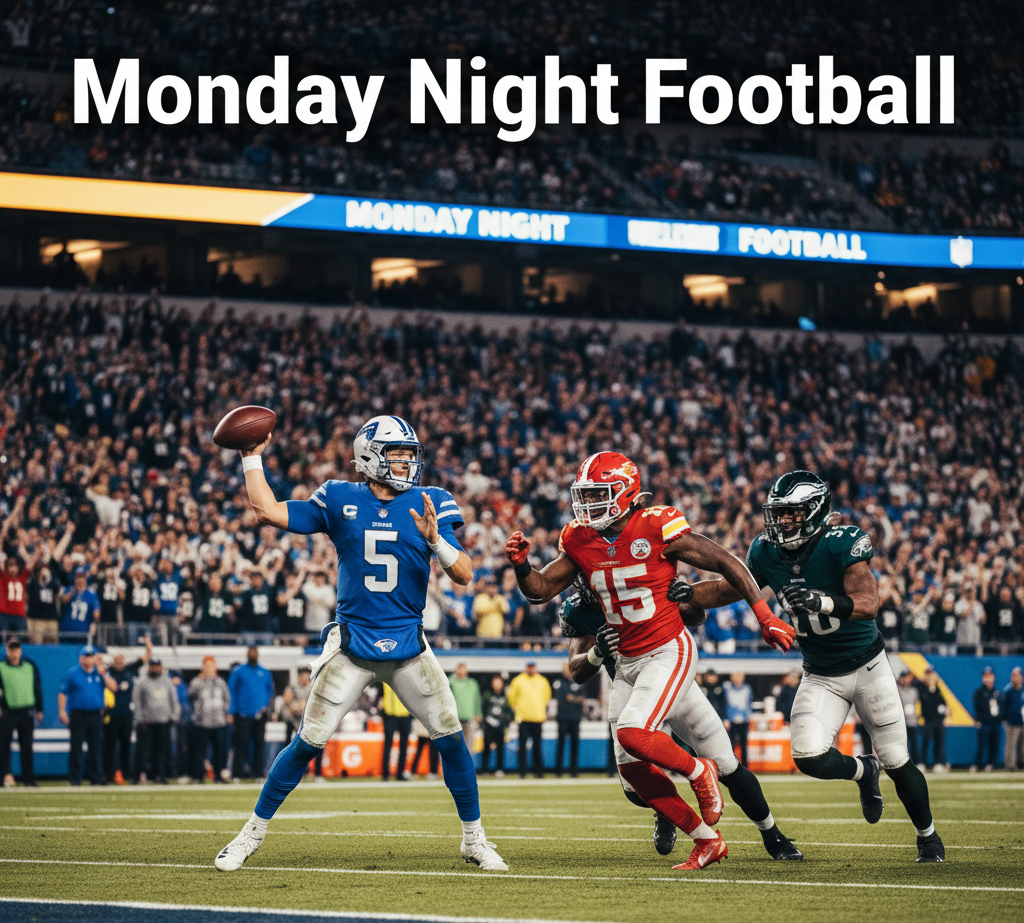
Monday Night Football (MNF) is more than just a weekly football game. It’s a cultural institution, a television phenomenon, and a cornerstone of the National Football League’s (NFL) schedule. Since its debut in 1970, Monday Night Football has brought fans thrilling games, unforgettable moments, and iconic performances that define the sport.
In this article, we’ll explore everything about Monday Night Football — its history, significance, memorable moments, broadcasting evolution, fan impact, and why it remains one of the most watched sporting events in the world.
The History of Monday Night Football
Monday Night Football first aired on September 21, 1970, on ABC, revolutionizing the way football was presented on television. Before MNF, NFL games were primarily broadcast on Sundays, but the introduction of a prime-time slot on Monday nights brought football into millions of American homes in a new and exciting way.
Creator: Roone Arledge, an ABC executive
First Game: New York Jets vs. Cleveland Browns
Original Commentators: Howard Cosell, Don Meredith, Keith Jackson
The show’s combination of prime-time exposure, expert commentary, and dramatic storytelling helped elevate football from a weekend pastime into a national spectacle. It set the stage for the NFL’s dominance in television ratings and sports culture.
Why Monday Night Football Matters
Prime-Time Exposure
Monday Night Football allows fans to start their week with football. The prime-time slot brings in millions of viewers, giving teams national exposure and creating must-watch matchups.
Cultural Impact
MNF has transcended sports, becoming a pop culture phenomenon. From Howard Cosell’s signature style to unforgettable plays and post-game analysis, Monday Night Football has influenced how Americans consume sports media.
High Stakes and Memorable Moments
Because it’s in prime time, teams often put extra emphasis on MNF games. Legendary moments like Joe Montana’s clutch throws, Tom Brady’s game-winning drives, and historic upsets have all happened under the Monday night lights.
Broadcasting Evolution
Monday Night Football has gone through several broadcasting changes since 1970.
ABC Era (1970–2005)
ABC brought football to prime-time viewers with a focus on storytelling and commentary. Howard Cosell became the voice of football for a generation, and the network emphasized dramatic narratives alongside the games themselves.
ESPN Era (2006–Present)
Since 2006, ESPN has aired Monday Night Football, bringing high-definition broadcasts, advanced camera angles, and sophisticated graphics. ESPN introduced features like:
In-depth statistics overlays
Player mic-ups and slow-motion replays
Social media interaction for fans
The move to ESPN also allowed the NFL to experiment with alternative broadcasts, such as “Manningcast,” which features Peyton and Eli Manning providing commentary alongside the live game.
Memorable Monday Night Football Games
Over the decades, MNF has produced countless unforgettable games. Some highlights include:
1. 1985 Chicago Bears vs. Miami Dolphins
The Bears’ dominant defense showcased one of the most memorable MNF performances, with multiple turnovers and a commanding victory.
2. 2007 New England Patriots vs. New York Giants
A high-stakes matchup with playoff implications, including dramatic lead changes and last-minute heroics.
3. 2015 Green Bay Packers vs. Dallas Cowboys
Aaron Rodgers led a late comeback, cementing his reputation as one of the league’s clutch quarterbacks.
These games demonstrate why Monday Night Football is not just another game — it’s a stage for drama, history, and unforgettable performances.
Player Performances on Monday Night Football
Many players rise to the occasion on MNF, knowing the national spotlight is on them. Some of the most iconic MNF performances include:
Joe Montana – Known for clutch throws and late-game heroics
Jerry Rice – Memorable touchdowns and record-setting receptions
Tom Brady – Game-winning drives and precision passing under pressure
Patrick Mahomes – Highlight-reel plays and rushing-passing combinations
The combination of prime-time pressure, national audience, and team rivalry pushes athletes to deliver their best performances, making Monday night games truly special.
Fan Experience
Watching at Home
Monday Night Football isn’t just about the players — it’s about the fans. Millions of people tune in from home, often hosting football parties or gathering in sports bars to watch the action. The broadcast’s accessibility and prime-time slot make it a centerpiece of weekly entertainment.
Live Stadium Experience
For fans attending the games, MNF provides an electric atmosphere. Night games under stadium lights, packed crowds, and the spectacle of prime-time coverage create an unforgettable experience.
Social Media and Engagement
In the modern era, Monday Night Football also thrives on social media. Fans share clips, discuss plays, and react to highlights in real-time, expanding the MNF community beyond just television viewers.
The Business of Monday Night Football
Monday Night Football is not just a sporting event — it’s a business juggernaut.
Revenue
MNF generates billions in advertising revenue, thanks to high viewership numbers and prime-time slots. Companies compete for commercial spots, often producing creative and memorable ads during the broadcast.
Sponsorships
Teams, players, and brands benefit from sponsorship deals connected to MNF, increasing exposure for athletes and corporate partners alike.
Media Rights
ESPN’s long-term contract with the NFL ensures that Monday Night Football remains a staple of prime-time sports, making it a cornerstone for both networks and advertisers.
Strategies and Coaching in Monday Night Football
Teams often prepare differently for MNF games because of the high-profile audience. Coaches emphasize:
Turnover minimization to avoid nationally televised mistakes
Play-calling creativity to make the broadcast exciting
Player rest and recovery since MNF games are on Monday after the weekend
These adjustments can make MNF games more intense and strategically complex than regular Sunday matchups.
Modern Innovations
ESPN has introduced several modern features to enhance viewer experience, such as:
Multiple camera angles and replay analysis
Real-time stats graphics on-screen
“Manningcast” for informal and analytical commentary
Interactive fan polls and social media integration
These innovations keep MNF fresh and appealing to both long-time fans and new audiences.
Why Monday Night Football Remains Popular
Several factors explain MNF’s enduring appeal:
Prime-time exposure: It starts the week with excitement and drama.
High-quality matchups: NFL often schedules competitive and nationally relevant games.
Memorable performances: Players rise to the occasion under national scrutiny.
Fan interaction: Social media and live discussions enhance engagement.
Cultural significance: MNF is a tradition for football fans across generations.
Future of Monday Night Football
Looking ahead, MNF will continue evolving:
Expanded digital streaming options
Enhanced interactive experiences for fans
Alternative broadcasts and commentary innovations
Focus on diversity in programming and inclusive fan experiences
The NFL and ESPN are committed to keeping MNF at the forefront of prime-time sports entertainment.
Tips for Fans to Enjoy Monday Night Football
Plan viewing parties with friends and family
Follow stats and commentary to enhance understanding of the game
Engage on social media to join global conversations
Attend games live when possible for the full MNF experience
Celebrate memorable moments by recording or streaming highlights
Conclusion
Monday Night Football is more than just a weekly football broadcast. It’s a tradition, a stage for legends, a business powerhouse, and a cultural phenomenon. From historic plays and record-breaking performances to unforgettable fan experiences, MNF continues to define prime-time football and shape the NFL landscape.
Whether you’re a casual fan, a die-hard supporter, or a sports enthusiast, Monday Night Football offers unmatched entertainment, drama, and excitement that keeps audiences coming back week after week.
By combining high-level athletic performance, strategic coaching, fan engagement, and prime-time drama, Monday Night Football remains an iconic part of football culture, and its legacy is stronger than ever.