
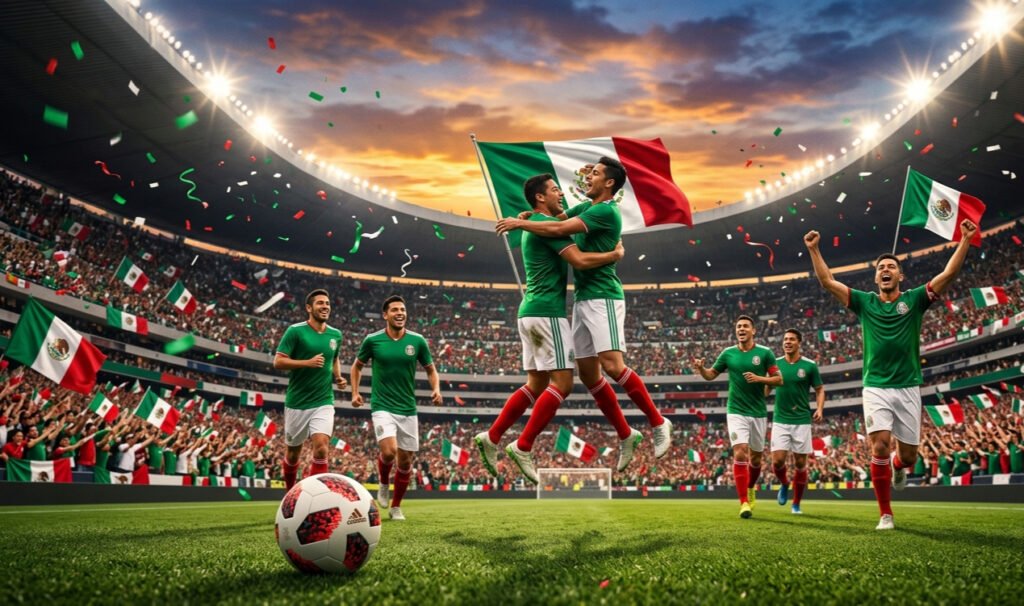
The Mexico national football team is one of the most successful and respected teams in international soccer. Representing Mexico in global competitions, the team has built a rich legacy through decades of outstanding performances, passionate supporters, and talented players. Known by the nickname “El Tri”, the team is recognized for its technical style of play, competitive spirit, and consistent presence in major tournaments.
From FIFA World Cup appearances to CONCACAF Gold Cup triumphs, the Mexico national football team has remained a powerhouse in North American football. This article explores the team’s history, achievements, legendary players, current squad, playing style, and future ambitions.
History of the Mexico National Football Team
The Mexico national football team played its first official international match in 1923 against Guatemala. Since then, the team has developed into one of the strongest football nations in the CONCACAF region.
Mexico joined FIFA in 1929 and has participated in international tournaments for nearly a century. Over time, the country invested heavily in football infrastructure, youth academies, and professional leagues, helping produce world-class talent.
The team’s popularity has grown tremendously, making football the most loved sport in Mexico. Every international match attracts millions of viewers both inside the country and around the world.
FIFA World Cup Journey
The Mexico national football team has become one of the most consistent participants in FIFA World Cup history.
Hosting the FIFA World Cup
Mexico made history by becoming the first country to host the FIFA World Cup twice, organizing the tournaments in:
- 1970
- 1986
Both tournaments are remembered for unforgettable matches and legendary football moments.
World Cup Performances
One of Mexico’s greatest strengths is qualifying consistently for the World Cup. The team has regularly advanced from the group stage and earned worldwide respect for its competitive performances.
Some notable achievements include:
- Regular qualification for FIFA World Cups
- Multiple Round of 16 appearances
- Quarterfinal finishes in 1970 and 1986
- Strong performances against elite football nations
Although Mexico has yet to win the World Cup, it remains one of the strongest teams outside Europe and South America.
Success in the CONCACAF Gold Cup
The Mexico national football team is the most successful nation in the CONCACAF Gold Cup.
The team has won numerous Gold Cup titles thanks to its attacking football and experienced players.
Reasons for Mexico’s dominance include:
- Excellent youth development
- Strong domestic league
- Technical midfielders
- Consistent coaching
- Large player pool
Winning regional championships has helped Mexico maintain its reputation as one of North America’s football giants.
Olympic Football Success
Mexico achieved one of its greatest sporting moments by winning the Olympic Gold Medal in Men’s Football at the 2012 London Olympics.
The team defeated Brazil in the final, showcasing exceptional teamwork and disciplined defending. That victory inspired a new generation of footballers across the country.
Playing Style of the Mexico National Football Team
The Mexico national football team is known for an attractive and technically gifted style of football.
Its traditional strengths include:
- Quick passing
- High ball possession
- Fast counterattacks
- Creative midfield play
- Intelligent movement
Unlike teams that rely heavily on physical strength, Mexico focuses on technical ability, tactical awareness, and teamwork.
Modern coaches have also introduced more aggressive pressing and organized defensive structures to compete against stronger international opponents.
Legendary Players
Many football legends have proudly represented the Mexico national football team throughout history.
Hugo Sánchez
Widely considered Mexico’s greatest footballer, Hugo Sánchez became one of Europe’s finest strikers during his successful career in Spain.
Achievements include:
- Multiple league titles
- Five Pichichi awards
- Exceptional goal-scoring record
Rafael Márquez
Rafael Márquez is regarded as one of the finest defenders in Mexican football history.
He became famous for:
- Leadership
- Tactical intelligence
- Ball-playing ability
- Successful European career
Cuauhtémoc Blanco
Blanco earned legendary status through his creativity, vision, and unique style of play. He remained a fan favorite throughout his international career.
Javier Hernández (Chicharito)
Known simply as “Chicharito,” Javier Hernández became Mexico’s all-time leading goal scorer for many years and enjoyed successful spells with several top European clubs.
Andrés Guardado
Guardado represented Mexico across multiple World Cups and became one of the team’s most experienced midfielders. His consistency and leadership made him an important figure for over a decade.
Current Generation of Players
The future looks promising for the Mexico national football team thanks to a talented group of young footballers.
Several rising stars now play in Europe and Mexico’s domestic league, bringing speed, creativity, and energy to the national squad.
Young players continue to emerge from Liga MX academies, ensuring a steady flow of talent for future international competitions.
Biggest Rivalries
Football rivalries add excitement to every international tournament.
Mexico vs United States
The rivalry between Mexico and the United States is one of the fiercest in international football.
Matches between these two nations often decide:
- CONCACAF championships
- World Cup qualification
- Regional dominance
The intense atmosphere makes every encounter highly anticipated by football fans.
Mexico vs Costa Rica
Costa Rica has frequently challenged Mexico in regional competitions, producing many memorable matches over the years.
Home Stadium
The Mexico national football team plays many home matches at the famous Estadio Azteca in Mexico City.
The stadium is one of the most iconic football venues in the world.
Its unique features include:
- Massive seating capacity
- Historic World Cup matches
- High-altitude advantage
- Passionate home supporters
Playing at Estadio Azteca often gives Mexico a significant home advantage.
Coaching Philosophy
Over the years, Mexico has employed both domestic and international coaches.
Successful coaches have emphasized:
- Ball possession
- Tactical flexibility
- Youth development
- Fast transitions
- Strong defensive organization
The federation continues investing in modern coaching methods to improve international competitiveness.
Youth Development
One major reason behind Mexico’s consistent success is its commitment to developing young players.
Youth academies across the country focus on:
- Technical skills
- Tactical awareness
- Physical conditioning
- Mental development
Many future national team stars begin their careers through these structured development programs before moving into professional football.
Passionate Fan Base
Few national teams enjoy support as passionate as the Mexico national football team.
Whether playing at home or abroad, Mexican supporters create an electric atmosphere with:
- Colorful displays
- Traditional chants
- National pride
- Unwavering loyalty
The team’s fans travel around the world to support El Tri in major tournaments.
Challenges Ahead
Despite its regional dominance, Mexico continues working toward greater success on the global stage.
Key challenges include:
- Reaching World Cup quarterfinals more consistently
- Developing elite strikers
- Increasing the number of players in Europe’s top leagues
- Competing with the world’s strongest football nations
Addressing these areas will help Mexico strengthen its international standing.
Future Outlook
The future of the Mexico national football team appears bright. With experienced leaders, talented young players, improved coaching, and continued investment in youth development, the team is well-positioned for sustained success.
As football continues to grow across North America, Mexico remains a leading force capable of competing for regional titles while aiming to make a deeper impact in future FIFA World Cups.
Conclusion
The Mexico national football team has established itself as one of the most successful and respected teams in international football. With a proud history, passionate supporters, legendary players, and a strong commitment to youth development, El Tri continues to inspire millions of fans worldwide.
Although winning the FIFA World Cup remains the ultimate goal, Mexico’s consistent performances, regional dominance, and exciting new generation of talent suggest that the team’s best chapters may still lie ahead. As the sport evolves, the Mexico national football team will undoubtedly remain one of football’s most recognizable and competitive national sides.