
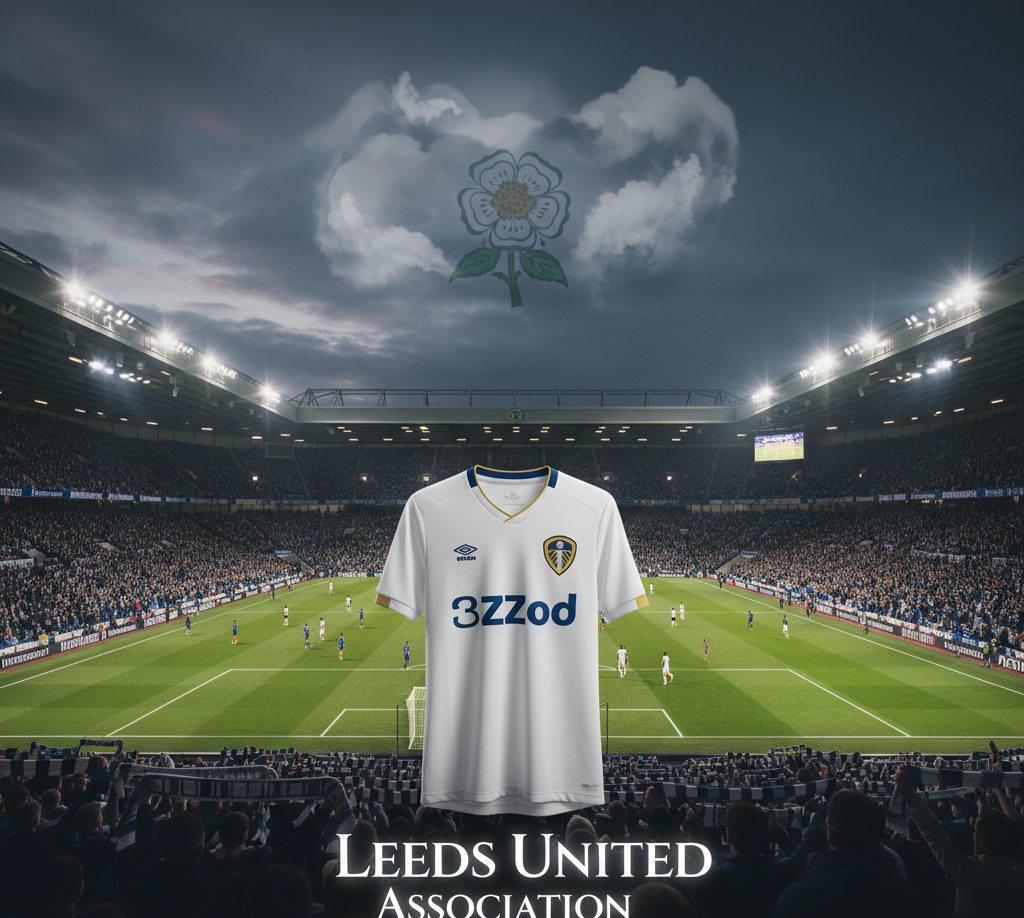
Leeds United Association Football Club has captured the hearts of football fans for over a century. Known for their passionate supporters, intense rivalries, and never-say-die attitude, the club from West Yorkshire represents more than just a team — it stands for pride, resilience, and a fighting spirit that echoes through Elland Road on match days.
Whether you’re a die-hard supporter or just discovering the club, this guide dives deep into the story of Leeds United Association Football Club. From humble beginnings to European glory and back to the Premier League, we’ll cover everything that makes this club special.
The History of Leeds United Association Football Club
Leeds United Association Football Club was founded on 17 October 1919. It rose from the ashes of Leeds City, which had been disbanded due to irregularities during the First World War. The new club quickly joined the English Football League and earned promotion to the top flight for the first time in the 1923-24 season.
The early years were steady but not spectacular. It wasn’t until the arrival of manager Don Revie in 1961 that everything changed. Revie transformed Leeds United Association Football Club into a powerhouse. He built a tight-knit squad known for its work rate, tactical discipline, and attacking flair.
Under Revie, the club enjoyed its golden era in the late 1960s and 1970s. They won the First Division title in 1968-69 and again in 1973-74. They also lifted the FA Cup in 1972, the League Cup in 1968, and the Inter-Cities Fairs Cup twice (1968 and 1971). Players like Billy Bremner, Johnny Giles, Jack Charlton, and Peter Lorimer became legends.
The 1990s brought another taste of success. Under manager Howard Wilkinson, Leeds United Association Football Club won the last First Division title before the Premier League era in 1991-92. That team, featuring stars like Gordon Strachan, Lee Chapman, and Gary Speed, proved the club could still compete at the highest level.
However, the early 2000s brought financial troubles and relegation. The club bounced between divisions for years, experiencing the pain of dropping to League One before climbing back up. Each setback only strengthened the bond between the club and its fans.
Elland Road: The Heart of Leeds United Association Football Club
No discussion about Leeds United Association Football Club is complete without mentioning Elland Road. This historic stadium has been the club’s home since 1919 and holds around 37,600 fans.
On match days, Elland Road becomes a cauldron of noise. The atmosphere is electric, especially against big rivals. Fans often describe it as one of the most intimidating venues in English football. The Kop stand and the noise from the South Stand create an environment that lifts the players and unsettles opponents.
The stadium has seen legendary nights — from European ties in the Revie era to dramatic promotion celebrations in recent years. Even during tougher times, the fans have filled the stands and sung their hearts out, showing unwavering loyalty to Leeds United Association Football Club.
Achievements and Trophies of Leeds United Association Football Club
Leeds United Association Football Club boasts an impressive trophy cabinet that reflects different eras of success:
- League Titles: 3 (1968–69, 1973–74, 1991–92)
- Second Division/Championship Titles: 5
- FA Cup: 1 (1972)
- League Cup: 1 (1968)
- Inter-Cities Fairs Cup: 2 (1968, 1971)
- Community Shield: 2
They have also finished as runners-up in the European Cup and reached other major finals. These achievements highlight the club’s ability to compete with the biggest names in English and European football.
The success under Don Revie remains the benchmark. That team was known for its “dirty” reputation in some quarters, but fans remember the skill, commitment, and togetherness that delivered silverware.
Rivalries That Define Leeds United Association Football Club
Football without rivalries would lose its edge, and Leeds United Association Football Club has some of the fiercest in the game.
The biggest is undoubtedly against Manchester United. This clash dates back to the 1960s when both clubs fought for domestic and European honors. The rivalry intensified with player transfers (like Eric Cantona moving from Leeds to Manchester United) and regional pride between Yorkshire and Lancashire. Matches between the two are always fiery and emotionally charged.
Another notable rivalry exists with Chelsea, stemming from intense battles in the 1960s and 1970s, including controversial FA Cup ties. Over the years, other clashes with clubs like Liverpool and local Yorkshire sides have added to the passion.
These rivalries fuel the competitive fire within Leeds United Association Football Club and create unforgettable atmospheres whenever these teams meet.
Current Era: Leeds United Association Football Club in the Premier League
As of the 2025-26 season, Leeds United Association Football Club is back in the Premier League, sitting around mid-table after promotion the previous year. Manager Daniel Farke has instilled a solid, organized style that has helped the team compete against established top-flight sides.
The squad features a mix of experienced players and exciting talents. Goalkeepers like Illan Meslier provide a reliable last line of defense, while the team relies on hard work, quick transitions, and set-piece strength.
Home form at Elland Road has been crucial, with several important wins boosting confidence. The club continues to develop young players through its academy while making smart signings to strengthen the squad.
Fans are optimistic that consistent Premier League football will allow Leeds United Association Football Club to build sustainably and challenge for higher positions in the coming years.
Why Fans Love Leeds United Association Football Club
What sets Leeds United Association Football Club apart is the incredible support. The fans are known worldwide for their loyalty, passion, and vocal backing. “Marching on Together” isn’t just a song — it’s a way of life for supporters who travel home and away in huge numbers.
The club has a strong community feel. It connects deeply with the city of Leeds and the broader Yorkshire region. Supporters take pride in the club’s working-class roots and its refusal to give up, even in difficult seasons.
For many, following Leeds United Association Football Club means embracing highs and lows with equal passion. That emotional rollercoaster creates lifelong bonds between fans.
Benefits of Supporting Leeds United Association Football Club
- Sense of belonging: Join a global family of dedicated supporters.
- Exciting football: Fast-paced, committed performances that rarely leave fans bored.
- Rich history: Endless stories, legends, and memorable moments to discover.
- Community impact: The club and fans often support local causes and charities.
If you’re new to the club, attending a home game at Elland Road is the best way to understand the magic. The noise, the scarves, and the collective roar create memories that last a lifetime.
Tips for New Fans of Leeds United Association Football Club
Want to get the most out of supporting Leeds United Association Football Club? Here are some practical tips:
- Learn the songs: “Marching on Together” and other classics help you join in the atmosphere.
- Follow the club’s history: Read about the Revie era or watch old matches to appreciate the legacy.
- Visit Elland Road: Even a stadium tour gives you a feel for the club’s soul.
- Engage with fellow fans: Online communities and match-day chats build friendships quickly.
- Stay patient: Football has ups and downs — true support shines during tougher periods.
These small steps will help you connect deeper with the club and enjoy the journey more fully.
Frequently Asked Questions (FAQ) about Leeds United Association Football Club
When was Leeds United Association Football Club founded? The club was officially formed on 17 October 1919.
What is the home stadium of Leeds United Association Football Club? Elland Road in Leeds, with a capacity of approximately 37,600.
How many league titles has Leeds United Association Football Club won? Three: in 1969, 1974, and 1992.
Who is the current manager of Leeds United Association Football Club? Daniel Farke leads the team as they compete in the Premier League.
What are the main colors of Leeds United Association Football Club? All-white kits, reflecting the “Whites” nickname, with the White Rose of Yorkshire on the badge.
Who are the biggest rivals of Leeds United Association Football Club? Manchester United is the primary rival, with additional rivalries against Chelsea and others.
Conclusion: The Enduring Spirit of Leeds United Association Football Club
Leeds United Association Football Club is much more than results on a scoreboard. It’s a club built on passion, history, and an unbreakable connection with its supporters. From the glory days under Don Revie to the resilient comebacks in recent seasons, the Whites continue to embody fighting spirit and community pride.
Whether the team is pushing for European places or battling in the Premier League, the fans remain the constant driving force. The future looks bright as the club stabilizes in the top flight and develops its squad.
If you love football that means something deeper than just entertainment, Leeds United Association Football Club offers exactly that. The journey is rarely smooth, but it’s always unforgettable.
Marching on together — that’s the Leeds way.