
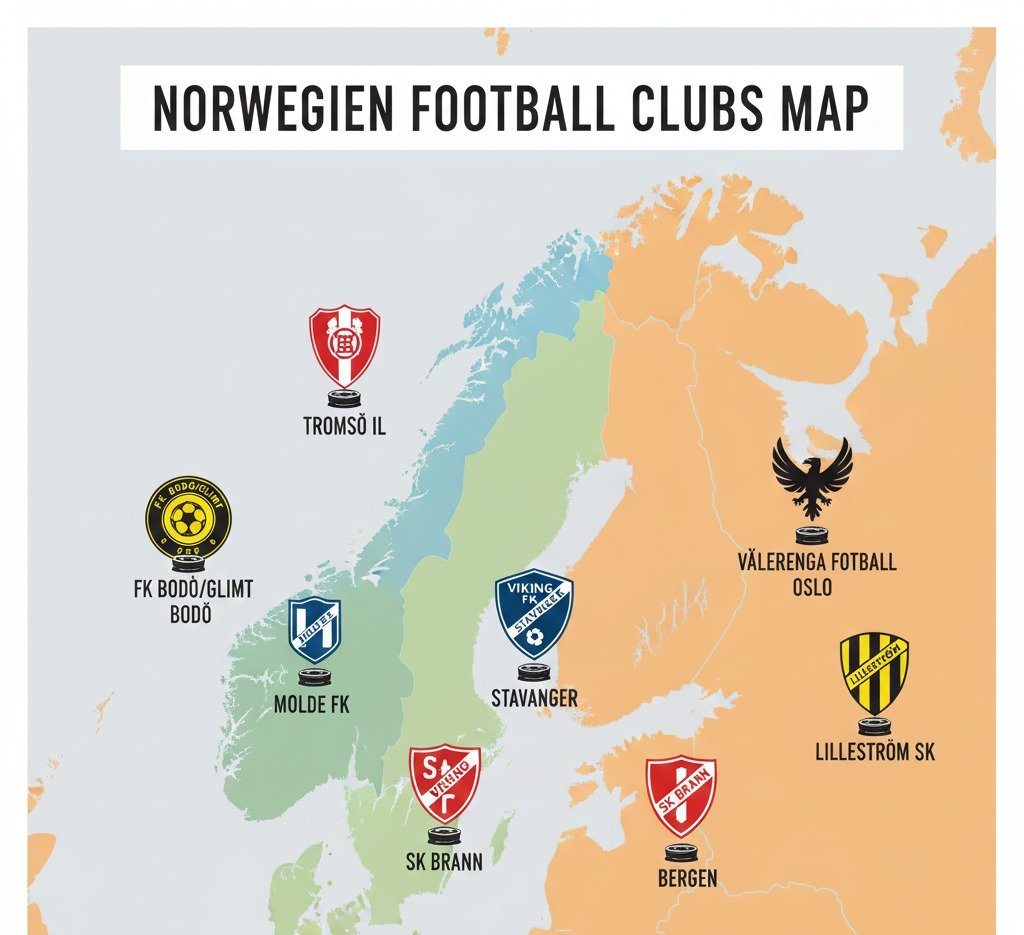
Norway has a rich footballing history, with a growing domestic league system, passionate fans, and a tradition of producing talented players. From top-tier clubs like Rosenborg BK and Molde FK to smaller regional teams, Norwegian football offers a unique blend of tradition and emerging talent.
In this guide, we will explore the football clubs in Norway, their league structure, key teams, notable players, and regional highlights. Whether you are a fan, a football analyst, or a traveler interested in Norwegian football culture, this article will give you a complete overview.
Norwegian Football League Structure
Norwegian football is organized into a hierarchical league system, providing a pathway from amateur clubs to professional teams.
Eliteserien (Top Tier)
The premier division in Norway
16 teams compete annually
Known for producing teams that play in UEFA competitions
OBOS-ligaen (Second Tier)
16 teams, acting as a promotion/relegation league
Highly competitive with clubs aspiring to reach Eliteserien
PostNord-ligaen (Third Tier)
Divided into two groups: Group 1 and Group 2
Regionalized to reduce travel for smaller clubs
Norsk Tipping-ligaen (Fourth Tier)
Semi-professional and amateur clubs
Regional divisions covering all parts of Norway
Understanding this structure is essential to place Norwegian football clubs geographically and competitively.
Top Football Clubs in Norway
Rosenborg BK (Trondheim)
Founded: 1917
Home stadium: Lerkendal Stadion
Achievements: Most successful Norwegian club with multiple Eliteserien titles
Known for: Producing top Norwegian players and European competition presence
Molde FK (Molde)
Founded: 1911
Home stadium: Aker Stadion
Achievements: Multiple league titles, known for strong youth development
Map location: Western Norway, coastal city
Viking FK (Stavanger)
Founded: 1899
Home stadium: Viking Stadion
Achievements: Domestic success, passionate local fanbase
Known for: Iconic club culture and rivalry with Brann
Brann (Bergen)
Founded: 1908
Home stadium: Brann Stadion
Achievements: Eliteserien champions, strong fan support
Map location: Western Norway, near the fjords
Lillestrøm SK (Lillestrøm)
Founded: 1917
Home stadium: Åråsen Stadion
Known for: Consistency in Norwegian top-flight football
Other notable clubs: Tromsø IL (Northern Norway), FK Bodø/Glimt (emerging powerhouse), Strømsgodset, and Vålerenga (Oslo).
Regional Highlights of Norwegian Football Clubs
Northern Norway
Clubs like Tromsø IL and FK Bodø/Glimt
Long distances between cities make travel challenging
FK Bodø/Glimt recently rose to prominence with domestic titles and European matches
Western Norway
Known for Molde FK, Viking FK, and Brann
Strong coastal fan culture
Clubs often compete closely in league and cup competitions
Eastern Norway
Oslo region is home to Vålerenga and Lillestrøm SK
Strong urban fanbase and youth development programs
Central Norway
Rosenborg BK dominates the region
Known for producing talent that moves to European leagues
Norwegian Football Rivalries
Rivalries are a vital part of the football culture. Key rivalries include:
Rosenborg BK vs Molde FK – The “Northern Classic”
Viking FK vs Brann – The Western rivalry
Vålerenga vs Lillestrøm SK – Oslo vs nearby towns derby
These rivalries are fueled by geography, history, and competitive matches in Eliteserien and Norwegian Cup.
Youth Development and Norwegian Football Clubs
Norwegian clubs focus heavily on youth development. Many Eliteserien and OBOS-ligaen clubs have academies producing players who succeed in Europe:
Rosenborg BK: Famous for nurturing young talent
Molde FK: Academy producing Norwegian internationals
Bodø/Glimt: Known for innovative youth programs
This emphasis ensures a steady stream of talented players for both domestic and international competitions.
Norwegian Clubs in European Competitions
Top Norwegian clubs occasionally compete in UEFA tournaments:
Rosenborg BK: Regular participant in UEFA Champions League and Europa League
Molde FK: Competes in UEFA Europa Conference League
Bodø/Glimt: Emerging club making waves in European football
Participation in Europe boosts Norwegian football’s visibility and provides experience for players.
Tips for Exploring Norwegian Football Clubs
If you plan to explore Norwegian football:
Attend a match in Eliteserien – Experience local fan culture firsthand
Visit stadiums – Lerkendal, Aker Stadion, and Brann Stadion offer guided tours
Follow local media – NRK and VG Sports provide updates on leagues and clubs
Travel regionally – Explore both coastal and northern clubs for diverse football experiences
Conclusion
Norway’s football clubs reflect the country’s passion, culture, and commitment to the sport. From traditional powerhouses like Rosenborg BK to emerging talents like FK Bodø/Glimt, Norwegian football continues to grow in popularity. Understanding the map and regional distribution of clubs provides insight into rivalries, talent development, and football culture.