
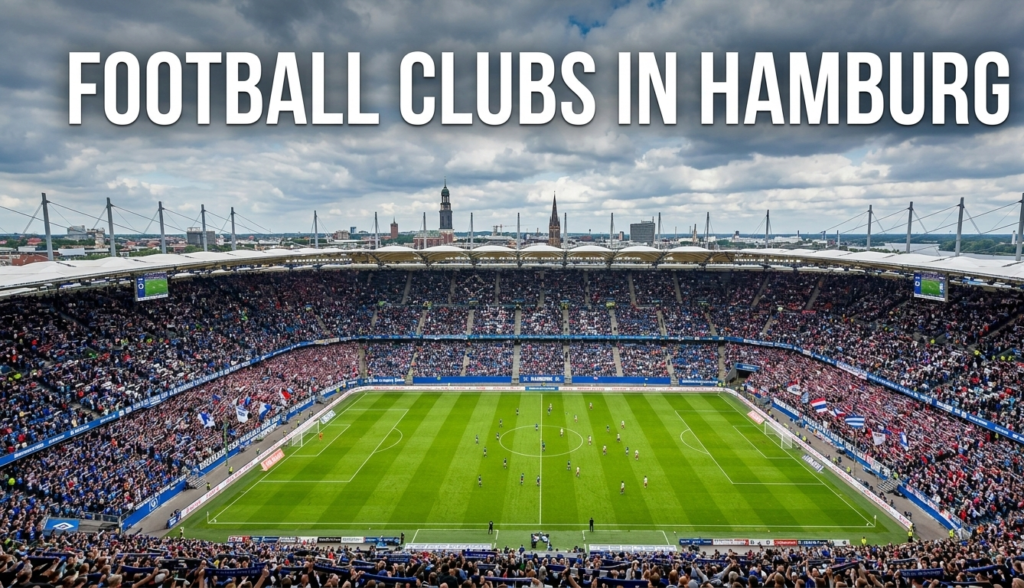
Football clubs in Hamburg play a major role in German football history and culture. As one of Germany’s largest and most historic cities, Hamburg has produced iconic clubs, passionate rivalries, and unforgettable football moments. The city’s football identity is deeply rooted in tradition, community pride, and competitive ambition.
From Bundesliga champions to grassroots community teams, football clubs in Hamburg represent every level of the sport. In this in-depth guide, we explore the history, major clubs, league structure, rivalries, youth development, and the future of football in Hamburg.
The Football Culture of Hamburg
Hamburg is Germany’s second-largest city and one of its most vibrant sports hubs. Football is not just entertainment here — it is part of the city’s identity.
Local stadiums regularly attract thousands of supporters. Matchdays bring energy to neighborhoods, with fans proudly wearing club colors and creating unforgettable atmospheres.
Hamburg’s football culture is built on:
Historic success
Strong youth academies
Fierce local rivalries
Loyal fan communities
Professional club structures
League Structure in Germany
To understand football clubs in Hamburg, it is helpful to understand the German league system.
The top division is the Bundesliga, followed by the 2. Bundesliga and 3. Liga. Below these national leagues are regional divisions such as the Regionalliga and Oberliga.
Clubs from Hamburg compete across these levels, depending on their performance and promotion or relegation status.
Major Football Clubs in Hamburg
Hamburg is home to some of Germany’s most famous and historic football clubs.
Hamburger SV
Hamburger SV, commonly known as HSV, is the most successful and internationally recognized football club in Hamburg.
Founded in 1887, HSV has a rich football history. The club has won multiple national championships and was crowned European champions in the 1980s. For decades, Hamburger SV was a permanent fixture in Germany’s top division.
The club plays its home matches at the Volksparkstadion, one of the largest stadiums in northern Germany. The stadium regularly hosts domestic league matches and international fixtures.
HSV is known for:
Historic Bundesliga success
Strong youth development
Large and loyal fan base
Competitive ambition to return to the top tier
Even during challenging seasons, HSV remains one of the most supported football clubs in Hamburg.
FC St. Pauli
FC St. Pauli is one of the most unique and culturally influential football clubs in Germany.
Based in the St. Pauli district of Hamburg, the club has developed a global reputation for its strong social values, community activism, and distinctive identity.
The team plays at the Millerntor-Stadion, located near Hamburg’s famous Reeperbahn area. The atmosphere at St. Pauli matches is known for its passion and inclusivity.
FC St. Pauli is famous for:
Strong anti-discrimination stance
Loyal and politically active fan base
Unique club culture
Competitive presence in Germany’s second division
Although not as decorated as HSV in terms of trophies, FC St. Pauli’s cultural influence extends far beyond Germany.
The Hamburg Derby
One of the biggest highlights in German football is the Hamburg Derby between Hamburger SV and FC St. Pauli.
This rivalry represents more than just football. It reflects social, cultural, and neighborhood differences within the city.
Matches between these two football clubs in Hamburg are intense, emotional, and highly anticipated. The derby attracts nationwide attention and showcases the city’s football passion.
Altona 93
Altona 93 is one of the oldest football clubs in Hamburg.
Founded in 1893, the club has a proud tradition and strong local following. While it currently competes in lower divisions compared to HSV and St. Pauli, Altona 93 plays an important role in Hamburg’s football ecosystem.
The club emphasizes community involvement and youth development.
Other Football Clubs in Hamburg
Beyond the major professional teams, Hamburg is home to numerous semi-professional and amateur clubs.
These include:
Victoria Hamburg
Niendorfer TSV
Concordia Hamburg
SC Victoria
These clubs compete in regional leagues and contribute significantly to grassroots football in the city.
Grassroots football is essential in Hamburg, providing opportunities for young players to develop and for communities to engage in sport.
Youth Development in Hamburg Football Clubs
Football clubs in Hamburg invest heavily in youth development.
Hamburger SV and FC St. Pauli both operate structured academies that focus on:
Technical skill development
Tactical education
Physical conditioning
Mental resilience
Young players train in professional environments and often progress into first-team squads or transfer to other German clubs.
Hamburg’s youth academies have produced players who later competed in the Bundesliga and international competitions.
Women’s Football in Hamburg
Women’s football is also growing in Hamburg.
Several clubs operate women’s teams, competing in regional and national leagues. Youth programs for girls are expanding, and local initiatives encourage female participation.
The city supports equal opportunities in football development, ensuring that both men’s and women’s teams receive structured training and competitive platforms.
Stadiums in Hamburg
Hamburg features impressive football venues.
Volksparkstadion
Home of Hamburger SV, this stadium can hold over 50,000 spectators. It has hosted major international tournaments and European fixtures.
Millerntor-Stadion
Home of FC St. Pauli, this stadium is smaller but known for its electrifying atmosphere.
These stadiums play a key role in the identity of football clubs in Hamburg.
Financial and Competitive Challenges
Like many European clubs outside the very top tier, football clubs in Hamburg face financial challenges.
Key issues include:
Competing with wealthier Bundesliga clubs
Maintaining squad depth
Managing relegation and promotion pressures
Balancing tradition with modernization
Despite these challenges, Hamburg clubs continue to attract strong attendance and sponsorship support.
The Role of Fans in Hamburg Football
Fans are the heart of football clubs in Hamburg.
Supporters are known for:
Creative chants and banners
Community activism
Loyalty during difficult seasons
High stadium attendance
FC St. Pauli fans, in particular, are internationally recognized for their strong social engagement and inclusive values.
HSV supporters remain deeply committed to returning the club to consistent top-flight success.
The Future of Football Clubs in Hamburg
The future looks promising for football clubs in Hamburg.
Key developments include:
Investment in youth academies
Stadium upgrades
Stronger financial management
Competitive ambition for Bundesliga promotion
Hamburg’s large population and football tradition provide a strong foundation for long-term growth.
Both Hamburger SV and FC St. Pauli aim to establish themselves firmly in Germany’s top tier, while smaller clubs continue building at grassroots levels.
Why Football Clubs in Hamburg Matter
Football clubs in Hamburg represent:
Historic success
Community identity
Social values
Competitive ambition
Passionate fan culture
They contribute to Germany’s football reputation and continue to inspire new generations of players and supporters.
Conclusion
Football clubs in Hamburg are among the most culturally significant in Germany. From the historic achievements of Hamburger SV to the distinctive identity of FC St. Pauli, the city offers a diverse and passionate football environment.
Whether competing in top divisions or regional leagues, these clubs embody the spirit of Hamburg — resilient, proud, and community-driven.
As youth development improves and competitive ambitions remain high, football clubs in Hamburg will continue shaping German football for years to come.