
Table of Contents
- Introduction
- What Is Flag Football?
- History and Growth of Flag Football
- Basic Rules of Flag Football
- Flag Football Positions Explained
- Equipment Needed to Play Flag Football
- Benefits of Playing Flag Football
- Tips for Beginners in Flag Football
- Differences Between Flag Football and Tackle Football
- Common Mistakes to Avoid
- Frequently Asked Questions (FAQ)
- Conclusion
Introduction
Flag football is one of the fastest-growing versions of football around the world. It offers all the excitement of traditional football but without the heavy contact that comes with tackling. Instead of tackling players to the ground, defenders remove a flag attached to the ball carrier.
This sport is widely played in schools, recreational leagues, and community programs. Because it requires less physical contact, it is considered safer and more accessible for players of all ages and skill levels.
Many players enjoy flag football because it focuses more on speed, strategy, and teamwork rather than physical strength.
What Is Flag Football?
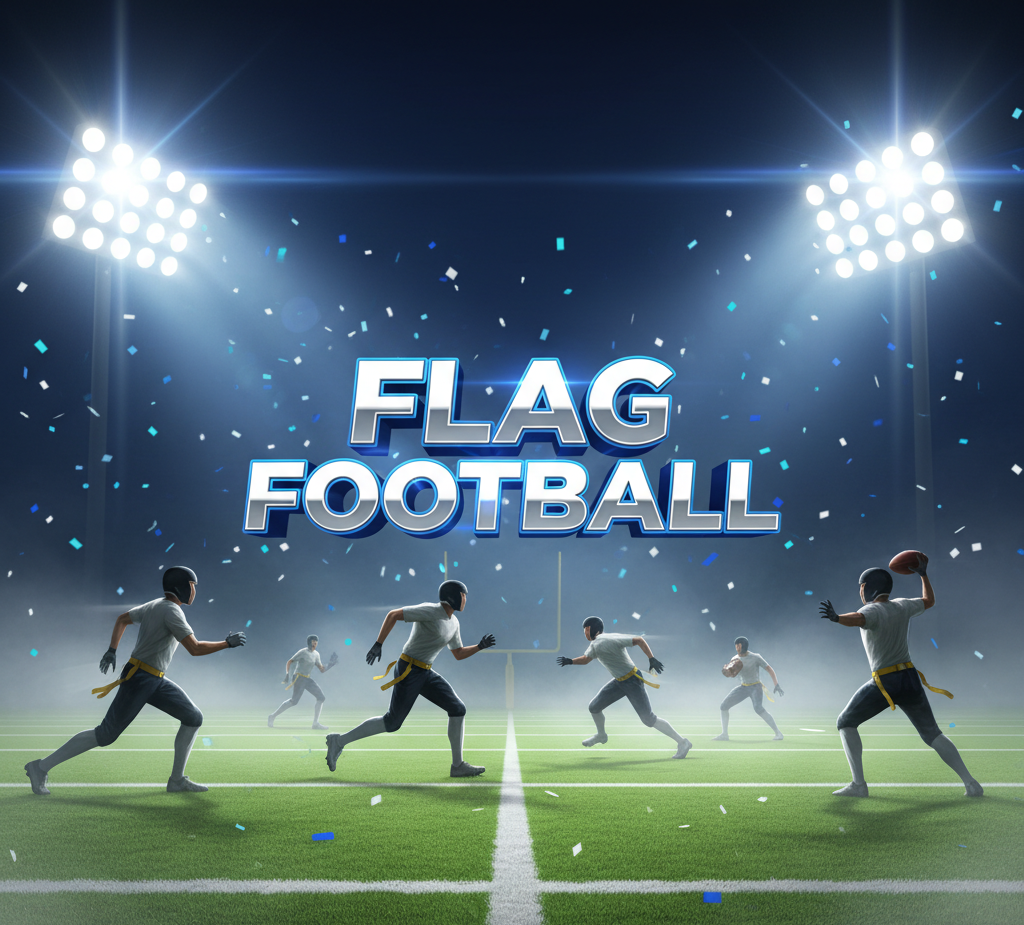
Flag football is a non-contact version of traditional football. In this game, players wear belts with flags attached to their sides. Instead of tackling, defenders stop the play by pulling one of the flags from the ball carrier.
The game is usually played with smaller teams compared to traditional football. Common formats include 5-on-5, 7-on-7, or 9-on-9 matches.
Flag football is designed to be simple and enjoyable. It allows beginners to learn football basics without worrying about physical collisions.
Key Characteristics of Flag Football
- No tackling allowed
- Flags replace physical contact
- Smaller team sizes
- Faster gameplay
- Focus on passing and agility
History and Growth of Flag Football
The popularity of flag football has increased rapidly in recent years. The sport began as a safer alternative to traditional football, especially for military and recreational players.
Over time, schools and community organizations adopted flag football as a way to introduce young players to the sport. Because it reduces injury risk, many parents encourage children to participate.
Today, flag football leagues exist in many countries. The sport continues to grow due to its simplicity, affordability, and safety advantages.
Reasons for Its Growth
- Safer than tackle football
- Easy to organize
- Suitable for all ages
- Requires minimal equipment
- Encourages teamwork
Basic Rules of Flag Football
Understanding the rules of flag football is important for both beginners and experienced players. While rules may vary slightly between leagues, the basic gameplay remains similar.
Each team tries to score points by moving the ball into the opponent’s end zone. Instead of tackling, defenders pull the flag from the ball carrier.
When a flag is removed, the play stops immediately. The offensive team then starts the next play from that position.
Basic Gameplay Rules
- Each team has a set number of downs to score
- Tackling is not allowed
- A play ends when a flag is pulled
- Passing is commonly used
- Touchdowns score points
Another important rule involves starting each play from the line of scrimmage. Players must remain behind this line until the ball is snapped.
Flag Football Positions Explained
Like traditional football, flag football includes different positions that perform specific roles during the game.
Each position contributes to team success, whether through offense or defense. Understanding these roles improves gameplay performance.
Common Offensive Positions
Quarterback
The quarterback controls the offense and passes the ball to teammates. This position requires good decision-making skills.
Wide Receiver
Wide receivers run routes to catch passes from the quarterback. Speed and agility are essential for this role.
Running Back
Running backs carry the ball or assist in blocking. They often help move the ball forward quickly.
Common Defensive Positions
Rusher
The rusher attempts to stop the quarterback by pulling their flag before a pass is thrown.
Defensive Back
Defensive backs cover receivers and prevent successful passes.
Equipment Needed to Play Flag Football
One reason flag football is popular is because it requires minimal equipment.
Players do not need heavy protective gear like helmets or shoulder pads. Instead, simple equipment ensures safety and comfort.
Essential Equipment
- Flag belts
- Football
- Athletic shoes
- Comfortable sports clothing
- Cones for field marking
Some leagues also recommend mouthguards for extra safety.
Using the right equipment improves performance and reduces injury risks.
Benefits of Playing Flag Football
Playing flag football offers numerous physical and mental benefits. It helps players stay active while enjoying competitive gameplay.
The sport improves cardiovascular fitness because players run frequently during matches. It also strengthens muscles and improves coordination.
Flag football promotes teamwork and communication. Players must cooperate to achieve common goals.
Major Benefits
- Improves physical fitness
- Enhances agility and speed
- Develops teamwork skills
- Builds confidence
- Reduces stress
Another advantage is safety. Since tackling is not allowed, the risk of serious injury is lower.
Tips for Beginners in Flag Football
Beginners often feel unsure when starting flag football, but simple strategies can help them improve quickly.
First, learn the basic rules and positions. Understanding gameplay structure builds confidence.
Second, practice passing and catching regularly. These skills are essential for successful gameplay.
Helpful Beginner Tips
- Practice flag pulling techniques
- Focus on speed and agility
- Communicate with teammates
- Learn basic offensive routes
- Stay active and alert
Watching experienced players can also help beginners learn new techniques.
Differences Between Flag Football and Tackle Football
Many people compare flag football with tackle football. While both sports share similar rules, they differ significantly in gameplay style.
The biggest difference is physical contact. Flag football eliminates tackling, making the sport safer.
Another difference is game speed. Without tackling delays, flag football matches move faster.
Key Differences
- No tackling in flag football
- Less protective equipment required
- Faster gameplay
- Lower injury risk
- Focus on passing and agility
These differences make flag football more accessible to players of all skill levels.
Common Mistakes to Avoid
New players often make mistakes that affect their performance in flag football.
One common mistake is holding the ball loosely. This makes it easier for defenders to pull the flag.
Another mistake is ignoring teamwork. Successful plays require coordination between players.
Mistakes to Avoid
- Running without awareness
- Poor communication
- Ignoring defensive strategies
- Forgetting positioning
- Holding the ball incorrectly
Avoiding these errors improves gameplay performance.
Frequently Asked Questions (FAQ)
1. What is flag football?
Flag football is a non-contact version of football where players remove flags instead of tackling.
2. Is flag football safe for beginners?
Yes, it is safer than tackle football because it avoids heavy physical contact.
3. How many players are on a team?
Teams usually have 5 to 9 players, depending on league rules.
4. What equipment is required?
Players need flag belts, a football, and sports clothing.
5. Can children play flag football?
Yes, many youth leagues are designed specifically for children.
Conclusion
Flag football is an exciting sport that continues to gain popularity worldwide. Its focus on speed, teamwork, and safety makes it suitable for players of all ages.
Whether you want to stay active, learn football skills, or enjoy friendly competition, flag football offers something for everyone.