
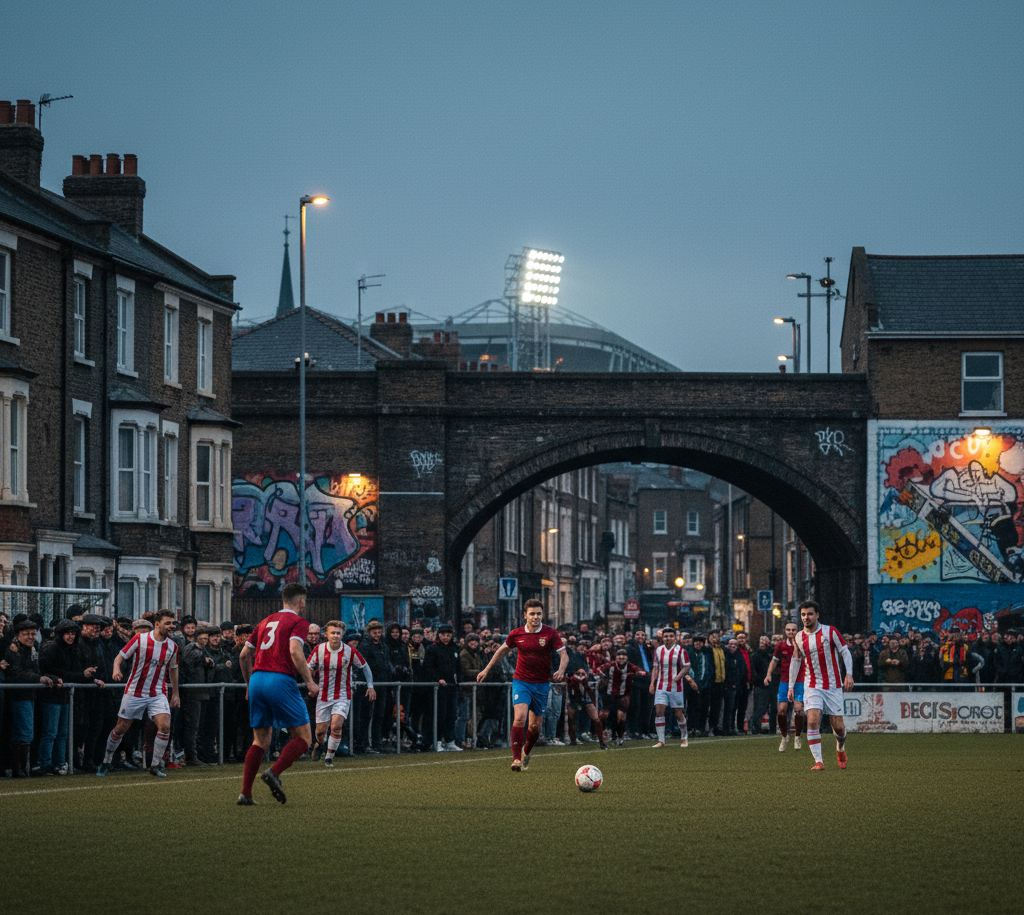
East London holds a special place in the story of English football. From historic working-class neighborhoods to modern global stadiums, the area has produced some of the most passionate supporters, iconic clubs, and unforgettable football moments in the country. East London football clubs represent tradition, resilience, and a deep connection between sport and community.
Unlike regions dominated by a single giant club, East London is home to a rich mix of professional, semi-professional, and historic teams, each with its own identity and loyal following. This diversity makes East London one of the most fascinating football regions in England.
In this complete guide, we explore the history, major clubs, non-league teams, supporter culture, rivalries, and future of East London football.
Why East London Is So Important to English Football
East London’s importance in football is rooted in its industrial and working-class history. During the late 19th and early 20th centuries, football became a key form of recreation for dock workers, factory employees, and local communities.
As the population grew, so did football clubs—each representing a neighborhood, a workforce, or a shared local identity. Over time, East London football clubs became symbols of pride, resilience, and unity.
Major Professional East London Football Clubs
West Ham United – The Pride of East London
No discussion of East London football clubs can begin without West Ham United.
Founded: 1895
Nickname: The Hammers
Stadium: London Stadium
West Ham United is the most famous football club associated with East London. Originally formed as Thames Ironworks FC, the club has deep industrial roots tied to shipbuilding and labor culture.
West Ham is known for:
Strong working-class identity
Iconic claret and blue colors
Passionate supporter base
Contribution to English football history
The club’s academy famously produced legends who shaped England’s 1966 World Cup victory, cementing West Ham’s place in football folklore.
Leyton Orient – East London’s Historic Neighbors
Leyton Orient is another historic professional club with strong ties to East London.
Founded: 1881
Nickname: The O’s
Stadium: Brisbane Road
Leyton Orient represents the more traditional side of East London football—smaller crowds, close community ties, and a strong sense of identity.
Despite facing financial challenges over the years, Leyton Orient has survived through supporter loyalty and determination, making it a respected name in English football.
Historic East London Football Clubs
East Ham Football Club
East Ham FC played a significant role in early English football, especially in amateur competitions.
Founded in 1892
Famous for winning the FA Amateur Cup
Known for claret and blue colors
Although the club no longer exists, its legacy remains an important part of East London’s football history.
Thames Ironworks FC
Before becoming West Ham United, the club was known as Thames Ironworks FC. This early incarnation highlights how East London football was closely connected to industry and workers’ organizations.
Non-League and Semi-Professional East London Clubs
East London’s football culture thrives not only at the professional level but also in non-league football, where community spirit remains strongest.
Dagenham & Redbridge
Based in East London/Essex border
Known as “The Daggers”
Regularly competes in non-league and lower professional tiers
Dagenham & Redbridge represents modern non-league success, blending professionalism with grassroots values.
Walthamstow FC and Other Local Teams
Clubs like Walthamstow FC, Ilford FC, and Barking FC continue to keep football alive at the local level. These teams offer:
Affordable matchday experiences
Close interaction between players and fans
Strong community involvement
For many supporters, non-league football provides a purer connection to the game.
East London Football Culture and Supporters
Passionate and Loyal Fanbases
East London football supporters are known for their loyalty and intensity. Whether following a Premier League side or a local non-league club, fans show deep emotional commitment.
Supporter culture in East London includes:
Traditional chants and songs
Generational loyalty
Strong matchday rituals
Football as Community Identity
In East London, football clubs often represent more than sport. They reflect:
Local history
Social identity
Cultural pride
Supporting a club is often passed down through families, strengthening long-term loyalty.
Stadiums and Matchday Atmosphere in East London
From Modern Arenas to Historic Grounds
East London offers a mix of football venues:
The London Stadium, a modern multi-purpose arena
Traditional grounds like Brisbane Road
Community stadiums used by non-league teams
Each venue provides a different matchday experience, from global spectacles to intimate local games.
What Makes East London Matchdays Special
Matchdays in East London are known for:
Strong local accents and chants
Food stalls and pubs near grounds
Passionate, vocal support
Even at smaller stadiums, the atmosphere often feels intense and personal.
Rivalries Between East London Clubs
Local Pride and Bragging Rights
Rivalries in East London are shaped by geography and history. Matches between nearby clubs often bring extra intensity and attendance.
These rivalries are not just about points—they are about local pride and identity.
Youth Development and Football Pathways
Academies and Grassroots Systems
East London has produced countless professional footballers through:
Club academies
School football
Community programs
West Ham United’s academy is especially famous, but many smaller clubs also play vital roles in youth development.
Opportunities for Young Players
Grassroots clubs across East London provide:
Affordable football access
Coaching and mentoring
Clear pathways to higher levels
This system ensures football remains inclusive.
Challenges Facing East London Football Clubs
Financial Pressures
Many East London clubs—especially non-league teams—face:
Rising operational costs
Limited sponsorship
Facility maintenance challenges
Survival often depends on community support and smart management.
Urban Development and Space
Urban expansion in London has made it harder for clubs to:
Maintain training facilities
Expand stadiums
Secure long-term grounds
Balancing development with football heritage remains an ongoing challenge.
The Future of East London Football
Growth and Global Attention
With improved transport links and global audiences, East London football continues to gain attention. Professional clubs attract international fans, while non-league clubs benefit from growing interest in grassroots football.
Preserving Tradition
The biggest challenge moving forward is maintaining authentic club identities while adapting to modern football demands.
Clubs that balance tradition with innovation are most likely to thrive.
Why East London Football Clubs Matter
East London football clubs matter because they represent the foundation of the game. They remind us that football is not only about trophies and television deals—it’s about people, places, and shared history.
From historic amateur teams to modern professional clubs, East London football reflects the soul of English football.
Final Thoughts: The Soul of Football Lives in East London
East London football clubs tell a powerful story of community, resilience, and passion. Whether it’s the roar of thousands at a major stadium or the quiet determination of a non-league match, football in East London remains deeply authentic.
For football lovers around the world, East London stands as a reminder of where the game comes from—and why it continues to matter.