
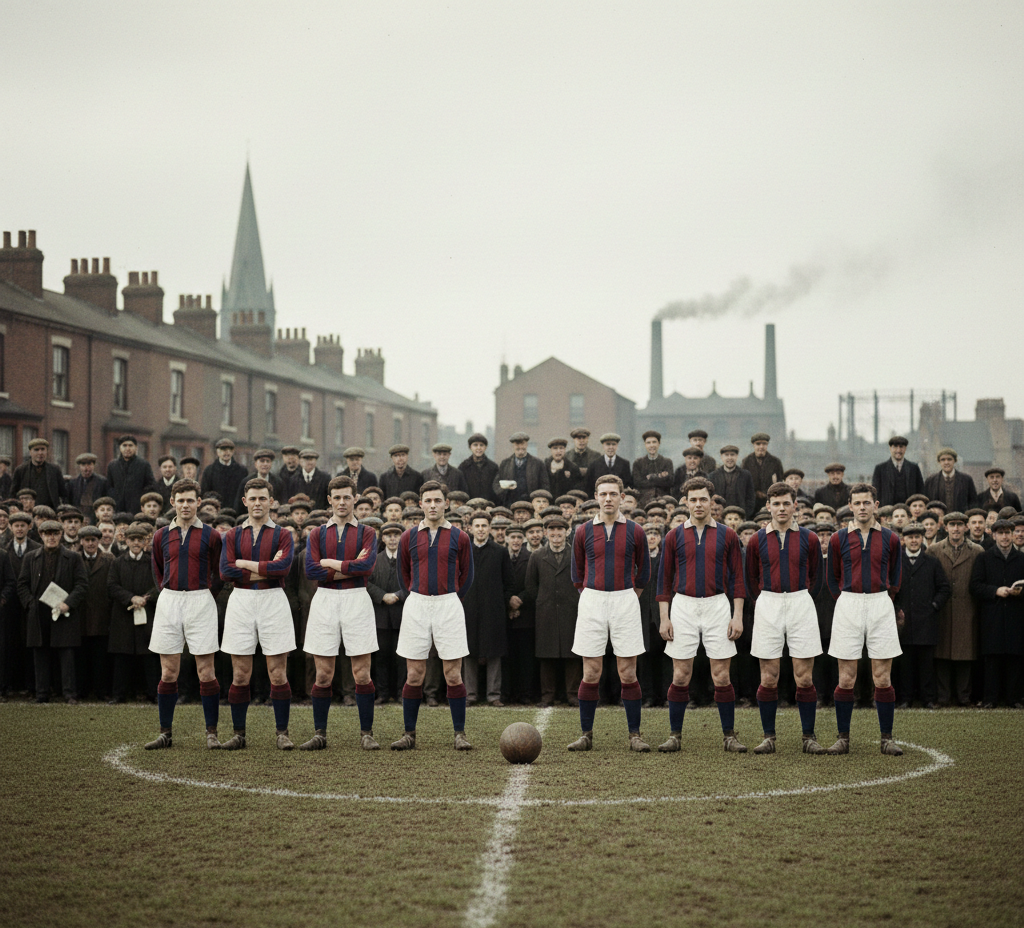
Football in England is built on more than just famous stadiums and global brands. It is rooted in local communities, historic neighborhoods, and clubs that have shaped the game from the ground up. East Ham Football Club is one such name—deeply connected to the story of football in East London and respected for its contribution to the sport at grassroots and semi-professional levels.
Although East Ham FC may not be as widely known today as some modern giants, its history, identity, and influence remain significant. For historians, non-league football followers, and supporters of traditional English football, East Ham Football Club represents an important chapter in the game’s development.
Introduction to East Ham Football Club
East Ham Football Club was based in East London, an area with a rich industrial and sporting heritage. The club became well known during the late 19th and early 20th centuries, particularly for its involvement in early English football competitions.
East Ham FC was a club built on community pride and competitive ambition. During its active years, it stood as a symbol of football’s growing popularity among working-class communities in London.
The Origins and Early History of East Ham FC
Founding of the Club
East Ham Football Club was founded in 1892, during a period when football was rapidly spreading across England. Local clubs were forming in towns and districts, giving communities a shared identity through sport.
East Ham FC quickly became one of the strongest football teams in the East London area, gaining recognition beyond its immediate surroundings.
Rise in Local and Regional Football
In its early years, East Ham FC competed in regional leagues and local competitions, steadily building a reputation for being well-organized and competitive.
The club’s growth mirrored the expansion of football in London, where densely populated neighborhoods created strong rivalries and passionate support.
East Ham Football Club and the FA Amateur Cup
One of the most important aspects of East Ham FC’s history is its success in the FA Amateur Cup, a competition that once held great prestige in English football.
FA Amateur Cup Success
East Ham FC achieved notable success by winning the FA Amateur Cup, an accomplishment that placed the club among the elite amateur teams of its era.
At the time, the Amateur Cup was a major national competition, attracting widespread attention. Winning it was a remarkable achievement and highlighted the club’s quality and ambition.
Impact of Amateur Football
During this era, amateur football was highly respected, and East Ham FC played a key role in raising the profile of amateur clubs. The team’s success helped demonstrate that strong footballing standards existed outside the professional game.
Club Identity, Colors, and Values
East Ham FC Identity
East Ham Football Club represented the working-class spirit of East London—hardworking, competitive, and community-focused. The club’s identity was shaped by the values of teamwork, discipline, and local pride.
Supporters saw the club as an extension of their neighborhood, and players often came from the local area.
Club Colors
East Ham FC traditionally played in claret and blue, colors that became strongly associated with the club. These colors reflected strength, unity, and pride—qualities that defined East Ham FC on the pitch.
Home Grounds and Matchday Atmosphere
Stadium and Playing Grounds
Throughout its history, East Ham FC played at various local grounds in East London. While facilities were modest, they were central to community life and football culture in the area.
The grounds offered:
Close viewing of matches
Strong local attendance
Intense, passionate atmospheres
Matchday Experience
Matchdays for East Ham FC were social events. Local supporters gathered not just to watch football, but to connect with neighbors and celebrate community identity.
The atmosphere was competitive but respectful, reflecting the values of amateur and semi-professional football at the time.
East Ham FC in the English Football Structure
League Participation
East Ham Football Club competed in various amateur and regional leagues, becoming one of the strongest amateur sides in southern England during its peak years.
The club’s performances often attracted attention from larger teams and football authorities.
Relationship with Professional Football
East Ham FC existed during a time when the line between amateur and professional football was more distinct. The club chose to maintain its amateur status, focusing on sporting integrity rather than commercial success.
This decision defined much of its legacy.
Players and Footballing Style
Type of Players
East Ham FC players were known for:
Strong physical fitness
Tactical discipline
Commitment to amateur values
Local loyalty
Many players balanced football with full-time work, making their achievements even more impressive.
Playing Philosophy
The club favored a structured and competitive style, emphasizing teamwork over individual flair. This approach helped East Ham FC succeed against well-organized opponents in national competitions.
Supporters and Community Influence
A Club of the People
East Ham Football Club was deeply embedded in its community. Supporters included:
Local workers
Families
Young football enthusiasts
The club provided a sense of belonging and pride during a time of rapid social and industrial change.
Contribution to East London Football
East Ham FC helped inspire the growth of football across East London. Its success encouraged the formation and development of other local clubs and youth teams.
Challenges and Decline of East Ham FC
Changing Football Landscape
As football evolved, the gap between amateur and professional clubs widened. Increased costs, infrastructure demands, and organizational changes made it difficult for purely amateur clubs to survive.
East Ham FC faced these challenges during the mid-20th century.
Dissolution of the Club
Eventually, East Ham Football Club ceased operations. While the club no longer exists in active competition, its legacy continues to be remembered by historians and football enthusiasts.
The club’s story reflects the difficulties many historic amateur teams faced as football modernized.
The Legacy of East Ham Football Club
Influence on English Football History
East Ham FC remains an important part of English football history, particularly in discussions about amateur football and early FA competitions.
The club’s FA Amateur Cup success stands as a lasting achievement.
Remembering East Ham FC Today
Today, East Ham Football Club is remembered through:
Historical records
Football history publications
Local football heritage discussions
Its name still resonates with those who value the roots of the game.
Why East Ham Football Club Still Matters
Even though East Ham FC no longer competes, its story matters because it represents:
The strength of community football
The importance of amateur competition
The foundations of modern English football
Clubs like East Ham FC helped build the football culture that exists today.
East Ham FC and Modern Football Lessons
Modern football can still learn from clubs like East Ham FC:
Football should serve communities
Success is not only measured in money
Integrity and identity matter
These lessons remain relevant in today’s game.
Final Thoughts: A Proud Chapter in English Football History
East Ham Football Club may belong to the past, but its impact lives on. From FA Amateur Cup success to its role in shaping East London football culture, the club stands as a symbol of football’s grassroots origins.
For fans of football history, East Ham FC represents an era when the game was driven by passion, pride, and community spirit. In remembering clubs like East Ham Football Club, we honor the foundations upon which modern football was built.