
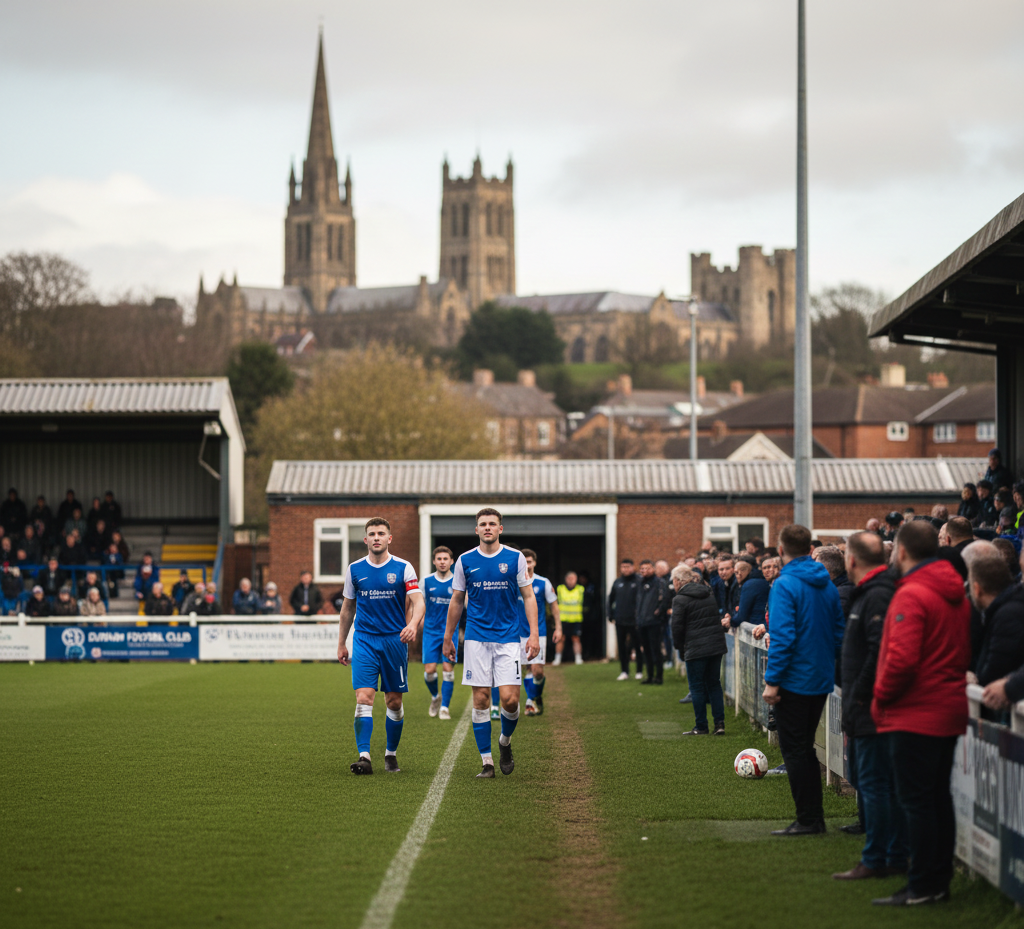
Football in England is not only about global giants and packed Premier League stadiums. It also lives in historic towns and close-knit communities where passion matters more than fame. Durham Football Club represents this side of the game—deeply rooted in local identity, tradition, and resilience.
Based in the historic city of Durham, the club carries the pride of County Durham and stands as a symbol of grassroots and semi-professional football. Whether you are a local supporter, a non-league football follower, or a newcomer discovering English football culture, Durham FC offers a story built on dedication, community, and perseverance.
This article explores Durham Football Club’s history, stadium, supporters, league journey, challenges, and future ambitions, giving you a complete picture of the club.
Introduction to Durham Football Club
Durham Football Club is a football team representing the city of Durham in England. Competing within the English non-league football system, the club plays an important role in sustaining football culture in the region.
While it may not receive national media attention, Durham FC stands as a reminder of what football truly means at its core—local pride, commitment, and unity. The club continues to attract supporters who value authentic matchday experiences and close connections between players and fans.
The History of Durham Football Club
Durham Football Club’s history reflects the broader story of football in northern England—hard work, adaptation, and survival.
Early Beginnings
The roots of football in Durham date back to the late 19th and early 20th centuries, when football clubs emerged across County Durham alongside industrial growth. Local teams were formed to give workers and communities a shared identity through sport.
Durham FC grew from this tradition, gradually establishing itself within regional competitions and building a loyal following.
Growth Through Local Leagues
Over the years, Durham Football Club competed in various regional and non-league competitions, facing teams from across the North East of England. These matches helped shape the club’s identity—competitive, resilient, and community-driven.
Progress was rarely easy, but the club survived through dedication from volunteers, players, and supporters who believed in its purpose.
Club Identity, Nickname, and Colors
A Club Built on Regional Pride
Durham FC represents more than just a city—it reflects the pride of County Durham, a region with a strong working-class heritage and deep football roots.
The club’s identity is closely tied to local history, education, and community values.
Club Colors
Durham Football Club traditionally plays in blue and white, colors that symbolize loyalty, stability, and connection to the region. These colors are proudly worn by players and supporters alike on matchdays.
Durham FC Home Ground and Matchday Experience
Stadium and Facilities
Durham Football Club plays its home matches at a local stadium designed to support grassroots football. While modest compared to elite venues, it offers:
Close proximity to the pitch
Clear views of the action
A welcoming, community atmosphere
The stadium serves as a gathering place for football lovers in Durham.
Matchday Atmosphere
Attending a Durham FC match is about more than the result. Fans enjoy:
Affordable ticket prices
Friendly interactions with players and staff
A relaxed, family-friendly environment
For many supporters, matchday is a social tradition as much as a sporting event.
Durham Football Club in the English Football Pyramid
Durham FC competes within the English non-league system, a structure that forms the backbone of football in England.
League Participation
Over time, Durham Football Club has participated in:
Regional county leagues
Semi-professional non-league divisions
Local cup competitions
Each season brings new challenges and opportunities to progress within the pyramid.
Promotion and Relegation Battles
Like most non-league clubs, Durham FC experiences frequent battles to:
Avoid relegation
Push for promotion
Maintain squad stability
These challenges test the club’s resilience and long-term planning.
Players and Squad Philosophy
Building a Competitive Team
Durham Football Club focuses on assembling squads that value:
Work ethic
Team unity
Tactical discipline
Physical fitness
Rather than relying on big names, the club prioritizes players who understand non-league football’s demands.
Local Talent and Recruitment
The club often recruits from:
Local leagues
Youth setups
Nearby clubs
This approach strengthens community ties and gives local players opportunities to progress.
Youth Development and Grassroots Role
Commitment to Youth Football
Durham FC plays an important role in grassroots football development within the region. Youth programs and partnerships help introduce young players to organized football.
By investing in youth development, the club ensures football remains accessible to future generations.
Pathway to Senior Football
Young players who impress at youth level may earn opportunities to train or play with the senior squad, creating a clear pathway for progression.
Supporters and Community Engagement
A Loyal Fanbase
Durham Football Club may not attract massive crowds, but its supporters are deeply loyal. Fans value:
Personal connection with the club
Transparency and honesty
Effort on the pitch
Supporters often volunteer their time to help keep the club running.
Community Initiatives
Durham FC actively engages with the local community through:
School outreach programs
Charity events
Grassroots partnerships
These initiatives strengthen the club’s relationship with the city and region.
Challenges Facing Durham Football Club
Financial Sustainability
One of the biggest challenges for Durham FC is financial stability. Running a non-league club requires careful budgeting and community support.
Sponsorship, ticket sales, and fundraising events are essential for survival.
Competition and Infrastructure
Competing with better-funded clubs can be difficult. Durham FC must:
Maximize limited resources
Retain key players
Maintain facilities
Success often depends on smart planning rather than spending power.
The Future of Durham Football Club
Long-Term Ambitions
Durham FC’s goals include:
Strengthening youth development
Improving facilities
Building competitive squads
Achieving sustainable growth
Promotion is important, but stability remains the priority.
Optimism for Growth
With continued community backing and dedicated leadership, Durham Football Club has the potential to grow while maintaining its identity.
The club’s future depends on unity—players, supporters, and volunteers working together.
Why Durham Football Club Matters
Durham Football Club represents everything that makes English football special at the grassroots level. It stands for:
Community over commercialism
Passion over profit
Tradition over trends
In a rapidly changing football landscape, clubs like Durham FC preserve the game’s soul.
Final Thoughts: A Club Rooted in Community
Durham Football Club may not dominate headlines, but its importance goes far beyond league tables. Built on local pride, commitment, and love for the game, the club continues to serve as a pillar of football in County Durham.
For supporters, Durham FC is more than a team—it’s a shared identity. For football lovers, it’s a reminder that the game thrives at every level, not just the top.
As long as football is played for passion and community, Durham Football Club will continue to matter.