
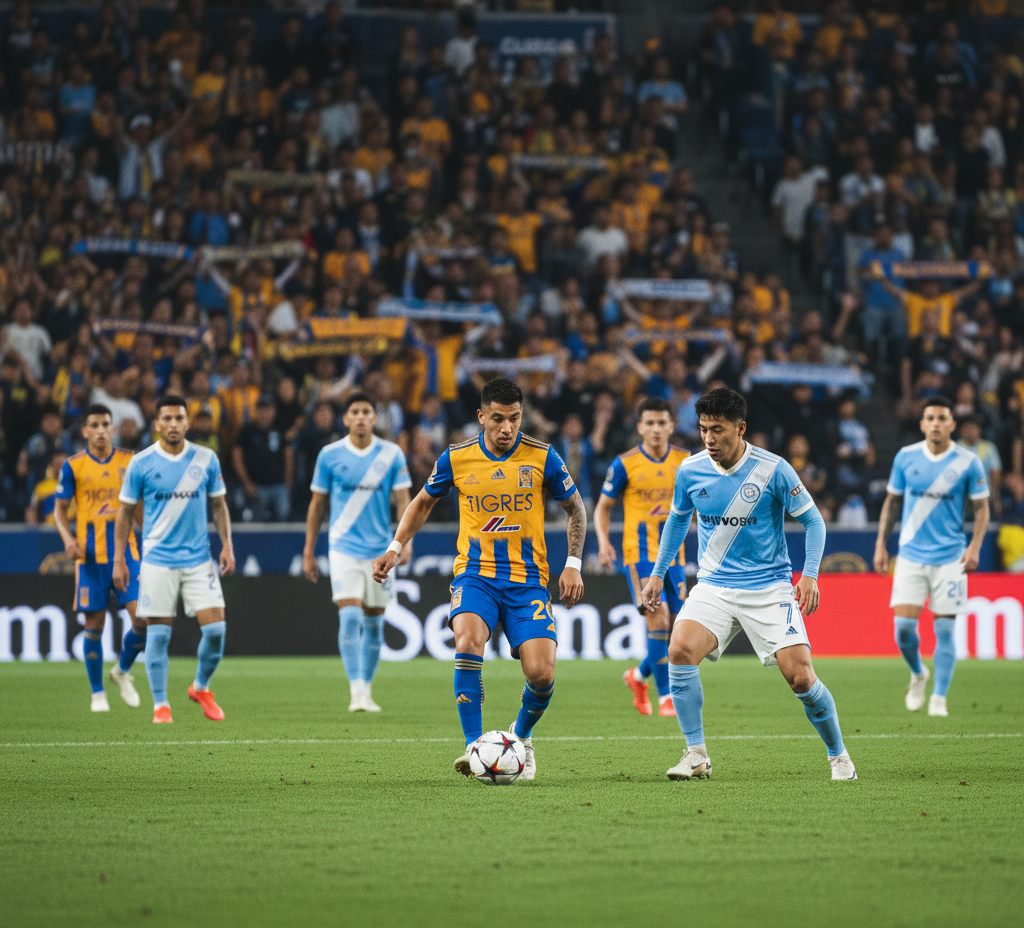
Football has a special way of bringing different cultures together. When teams from different leagues and traditions meet, the game feels both challenging and rewarding. That is exactly what fans experience when Club Tigres contra New York City Football Club becomes part of the conversation. One club represents deep roots in Mexican football culture, while the other reflects the modern growth of the sport in the United States. For supporters watching from the USA, UK, Canada, or Australia, this kind of matchup feels fresh and meaningful. It invites curiosity, comparison, and respect for how football evolves across borders.
This article explores the tactical ideas, club identity, player mentality, and broader impact of a match like Club Tigres contra New York City Football Club. It is written as a calm discussion, the way football fans talk when they sit together and share observations rather than hype.
Club Tigres and its football identity
Club Tigres is often associated with structure, patience, and competitive balance. The club has built its reputation by focusing on disciplined team shape and experienced leadership on the pitch. Matches involving Tigres tend to show careful buildup play, measured pressing, and strong positional awareness. Rather than rushing attacks, the team often waits for the right moment to move forward.
For international viewers, Tigres represents a style that values control and resilience. The players appear comfortable absorbing pressure before responding with organized movement. This approach reflects a broader Liga MX tradition where tactical awareness is just as important as individual skill. When Tigres faces international opponents, that identity becomes a key part of the story.
New York City Football Club and modern football culture
New York City Football Club brings a different energy to the matchup. The club reflects the growing football culture in the United States, where technical development and high tempo play are increasingly important. NYCFC is often associated with fluid passing, positional rotation, and a desire to control possession through movement rather than physical dominance.
The club also represents a modern football environment shaped by data analysis, youth development systems, and global influence. Watching New York City Football Club on the pitch feels like observing a team that values adaptability. Players often interchange positions, creating space and forcing opponents to adjust constantly. Against a structured side like Tigres, this contrast becomes one of the most interesting aspects of the game.
Tactical contrasts in Club Tigres contra New York City Football Club
The tactical contrast in Club Tigres contra New York City Football Club is one of patience versus rhythm. Tigres often prefers a compact defensive block that limits space between lines. This forces opponents to work harder for clear chances. NYCFC, on the other hand, looks to stretch the field with width and quick ball circulation.
As the match develops, these opposing ideas create a chess like atmosphere. Tigres aims to slow the tempo and disrupt passing lanes. NYCFC seeks to speed up transitions and exploit moments when defensive shape breaks. For neutral fans, this balance makes the game engaging without relying on constant scoring chances.
Midfield battles and control of space
Midfield control plays a central role in a match like Club Tigres contra New York City Football Club. Tigres midfielders often prioritize positioning and interception rather than constant forward runs. Their goal is to protect the back line and maintain structure. NYCFC midfielders, by contrast, tend to move more freely, offering passing angles and pushing the ball forward quickly.
This difference shapes how the match feels visually. Tigres keeps lines tight and compact. NYCFC spreads out and invites movement. The battle for space becomes more important than individual duels. Fans who appreciate the finer details of football tactics find these moments especially rewarding.
Defensive discipline and pressing styles
Defensive discipline is a defining trait of Tigres. The team presses selectively, choosing moments carefully rather than chasing the ball constantly. This controlled approach reduces fatigue and limits exposure to counterattacks. When facing New York City Football Club, that discipline is tested by constant movement and passing combinations.
NYCFC pressing tends to be more proactive. Players apply pressure higher up the pitch, aiming to win the ball quickly and keep opponents pinned back. This creates a dynamic contrast where one team waits and absorbs, while the other pushes and probes. The outcome often depends on which side maintains composure under pressure.
Attacking philosophy and chance creation
Attacking play in Club Tigres contra New York City Football Club reflects two different philosophies. Tigres often relies on well timed forward runs and structured attacking patterns. Chances are created through patience rather than volume. When openings appear, the team looks decisive.
New York City Football Club focuses on accumulation of pressure. Short passes, overlapping runs, and quick switches of play are used to stretch the defense. This approach may not always result in immediate goals, but it builds momentum. For fans watching closely, the contrast shows how different football cultures approach the same objective.
Mental strength and match management
Mental strength is another important factor in a matchup like this. Tigres players are often comfortable managing game tempo. They slow things down when needed and remain calm during intense periods. This experience becomes valuable in tight matches where small moments matter.
NYCFC players show confidence in their system. Even when under pressure, they continue to play out from the back and trust their movement. This belief reflects a club that values long term identity over short term reactions. When these mental approaches collide, the match becomes as much psychological as physical.
Fan experience and global interest
Matches such as Club Tigres contra New York City Football Club attract attention beyond local supporters. Fans in Europe, North America, and Oceania enjoy seeing how clubs from different leagues compare. The atmosphere may feel different from domestic league games, but the curiosity is strong.
Supporters notice details like playing style, referee interpretation, and crowd energy. These elements add texture to the viewing experience. For international audiences, the match becomes a learning opportunity as much as entertainment.
Player development and exposure
Another important layer of Club Tigres contra New York City Football Club is player development. These matches offer players exposure to different styles and expectations. Young players gain valuable experience by facing unfamiliar tactical systems. Veteran players test their adaptability and leadership.
For clubs, these encounters provide insight into areas that need improvement. Coaches observe how their systems perform under new challenges. This feedback helps shape future development strategies. Over time, such matches contribute to the overall growth of the sport.
Broader impact on international football relations
The significance of Club Tigres contra New York City Football Club extends beyond ninety minutes. It reflects the growing connection between football cultures across regions. As leagues collaborate and compete, mutual respect grows. Fans become more open to watching matches outside their usual routines.
This cross cultural exchange strengthens the global football ecosystem. It encourages learning, innovation, and shared standards. Matches like this serve as reminders that football is both local and universal at the same time.
What fans take away from the experience
For many fans, watching Club Tigres contra New York City Football Club is about perspective. It shows that there is no single correct way to play football. Different approaches can succeed depending on context, preparation, and mindset. The match encourages appreciation rather than comparison alone.
Supporters may notice small moments that stay with them. A well timed interception, a smooth passing sequence, or a calm defensive recovery. These details make football meaningful beyond final scores.
Looking ahead with curiosity and respect
As football continues to evolve, matchups like Club Tigres contra New York City Football Club will remain important. They offer insight into how clubs grow, adapt, and express identity. For international audiences, these games provide balance between familiarity and discovery.
Whether you follow Liga MX, Major League Soccer, or global football in general, this kind of encounter invites thoughtful viewing. It reminds fans to slow down, observe, and enjoy the layers of the game. Football does not always need noise to be engaging. Sometimes, quiet understanding is what makes it rewarding.