
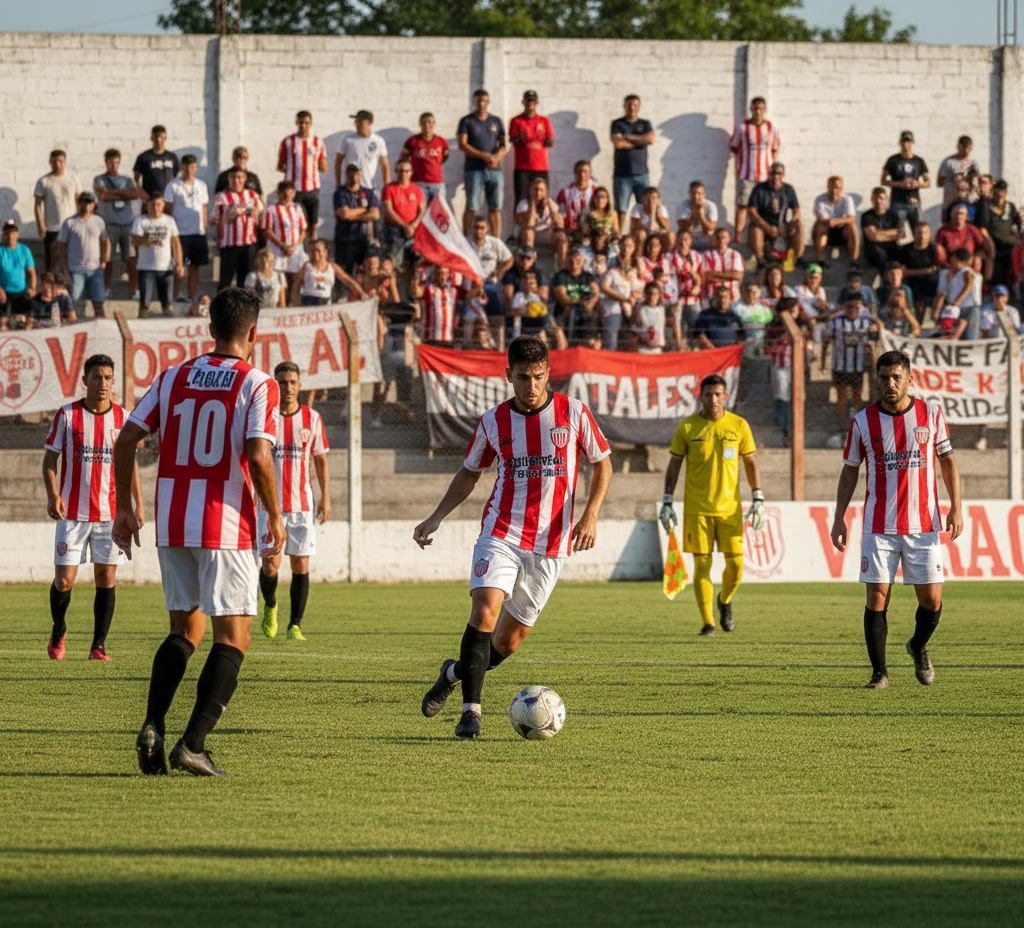
Football is often celebrated through famous stadiums, star players, and global trophies. Yet, the true soul of the game lives in community clubs that grow quietly, season by season. Club Oriental de Football represents this side of football perfectly. It is a club shaped by local identity, collective effort, and a deep respect for the sport’s traditions.
For readers discovering Club Oriental de Football for the first time, this article offers a complete picture. From its origins and philosophy to its role in player development and league competition, the club’s journey reflects what football means at the grassroots and semi-professional level.
The Foundation of Club Oriental de Football
Club Oriental de Football was founded with a clear purpose: to create a competitive football environment rooted in community values. Like many traditional clubs, it began with modest resources but strong commitment. Local players, volunteers, and supporters worked together to establish a team that represented more than just results on a scoreboard.
The club’s early years were built on participation and consistency. Training sessions were as much about learning discipline and teamwork as they were about winning matches. Over time, this approach shaped the club’s long-term identity.
Rather than chasing rapid success, Club Oriental de Football focused on steady growth. This mindset remains central to the club today.
Club Identity and Core Values
Every football club develops a personality, and Club Oriental de Football’s identity is grounded in balance and discipline. The club values effort, structure, and respect—both on and off the pitch.
Players are encouraged to play with responsibility. Individual creativity is welcomed, but it always serves the collective plan. This philosophy creates teams that are difficult to break down and capable of adapting to different opponents.
For international fans, this approach feels familiar. It mirrors traditional football cultures where understanding the game is just as important as physical ability.
Playing Style and Tactical Philosophy
The playing style of Club Oriental de Football is practical and organized. The team often focuses on maintaining shape, controlling space, and making smart decisions rather than rushing play.
Defensively, the club emphasizes positioning and communication. Players work as a unit, ensuring that gaps are limited and transitions are handled carefully. In attack, patience is key. Build-up play often involves short passes, movement off the ball, and timing rather than direct, high-risk approaches.
This tactical discipline allows the club to compete effectively, even when facing teams with greater individual talent.
Importance of Youth Development
Youth development plays a vital role at Club Oriental de Football. The club views young players not just as future athletes but as long-term members of the football community.
Training programs focus on fundamentals such as ball control, positioning, and game awareness. Coaches place strong emphasis on teaching players how to read matches and make decisions under pressure.
Many senior team players come through the club’s youth system. This creates continuity and strengthens the connection between different levels of the club. It also reinforces loyalty, as players feel a genuine sense of belonging.
Competing in Domestic Leagues
Club Oriental de Football competes in domestic league structures that demand consistency and resilience. League campaigns are long, and each match presents a different challenge.
Rather than relying on short-term momentum, the club prepares carefully for each fixture. Points are earned through discipline, preparation, and teamwork. Even during difficult stretches, the club avoids drastic changes, trusting its systems and long-term vision.
For fans tracking league standings, this steady approach creates stability. The club may not always chase top positions, but it remains competitive and respected within its league.
Matchday Experience and Supporter Culture
Matchday at Club Oriental de Football is about connection. The atmosphere is personal, familiar, and welcoming. Supporters often know the players by name, having watched them grow through youth teams or local competitions.
Crowds may be smaller than those at major stadiums, but the passion is genuine. Supporters appreciate hard work, tactical discipline, and moments of teamwork just as much as goals.
This close relationship between fans and players strengthens the club’s culture. It reminds everyone involved that football is a shared experience.
Coaching Structure and Leadership
Coaching at Club Oriental de Football emphasizes clarity and consistency. Coaches focus on communication, ensuring players understand both their individual roles and the team’s overall structure.
Training sessions are designed to replicate match situations. Tactical drills, positional awareness, and decision-making exercises form the core of preparation. Rather than overwhelming players with complex systems, coaches build understanding step by step.
Leadership extends beyond tactics. Coaches also guide players in managing responsibility, commitment, and teamwork—qualities that extend beyond football.
Player Pathways and Opportunities
For many players, Club Oriental de Football represents an important stage in their football journey. Some aim to move into higher divisions, while others balance football with education or work.
The club supports these varied ambitions. Players receive guidance and exposure, while also being encouraged to maintain realistic expectations. This balanced approach helps players grow both athletically and personally.
International readers will recognize this model as essential to sustainable football development, especially outside elite academies.
Financial and Structural Challenges
Like most community-based clubs, Club Oriental de Football faces financial and logistical challenges. Budget limitations, facility maintenance, and travel costs require careful planning.
Rather than viewing these challenges as obstacles, the club treats them as opportunities to strengthen internal organization. Volunteers, local partnerships, and efficient resource use play a major role in maintaining stability.
This resilience is a defining characteristic. It allows the club to continue operating without compromising its values or identity.
The Role of Discipline and Team Culture
Discipline is central to the club’s success. Training attendance, match preparation, and respect for teammates are taken seriously.
However, discipline is not enforced through strict authority alone. It is built through mutual understanding and shared goals. Players recognize that consistency benefits everyone, creating trust within the squad.
This culture helps the team perform reliably over long seasons, even when results fluctuate.
Club Oriental de Football in the Modern Game
In a football world increasingly driven by money and exposure, Club Oriental de Football offers a different perspective. It demonstrates how clubs can remain relevant by focusing on development, community, and sustainability.
International audiences often find these stories refreshing. They highlight football’s roots and remind fans why the sport became popular in the first place.
The club may not appear in global headlines, but its influence is felt where it matters most—on the pitch and within the community.
Looking Toward the Future
The future of Club Oriental de Football is guided by careful ambition. The club aims to improve training infrastructure, strengthen youth programs, and remain competitive in domestic leagues.
Rather than seeking rapid expansion, the focus remains on gradual improvement. This ensures that growth does not come at the cost of stability or identity.
Supporters can expect continuity, development, and commitment—values that have defined the club from the beginning.
Why Club Oriental de Football Matters
Club Oriental de Football matters because it represents football at its most authentic level. It shows how clubs grow through patience, teamwork, and shared responsibility.
For players, it is a place to learn and develop. For supporters, it is a source of pride and connection. For the wider football world, it is a reminder that the sport’s foundation lies in community clubs.
Following such teams adds depth to the football experience and strengthens appreciation for the game as a whole.
Final Thoughts
Club Oriental de Football continues its journey quietly, guided by tradition and thoughtful progress. Each season builds upon the last, adding new stories and lessons.
For international readers, the club’s story resonates because it reflects universal football values—commitment, identity, and community. These qualities ensure that Club Oriental de Football remains an important part of the football landscape, today and in the years ahead.