
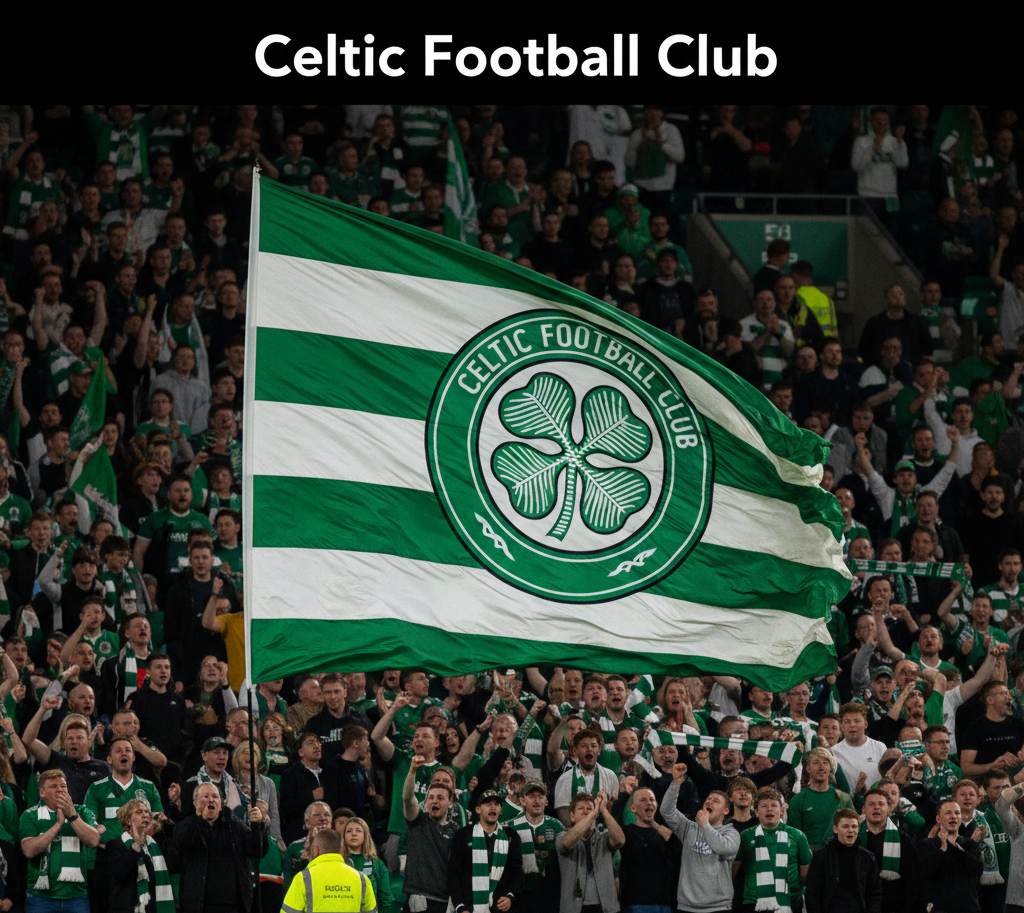
The Celtic Football Club flag is one of the most famous symbols in football. It is more than a banner—it represents heritage, loyalty, pride, and community. For fans, the flag connects generations and shows devotion to the club.
Celtic Football Club, based in Glasgow, Scotland, has a long history. Its green and white colors, combined with the iconic clover emblem, make the flag instantly recognizable. This article explains the flag’s history, meaning, design, and cultural importance in a way that is simple and readable.
Origins of Celtic Football Club
Celtic Football Club was founded in 1888. The club was created to help the Irish immigrant community in Glasgow’s East End. From the start, it combined football with social responsibility.
Over time, Celtic became one of Scotland’s most successful football clubs. The club’s identity and symbols, including the flag, grew along with its success. Today, the flag is recognized worldwide as a symbol of tradition and pride.
Design of the Flag
The most common version of the Celtic flag includes:
Green and white stripes or a background
The four-leaf clover emblem
The club’s founding year, 1888
The club name displayed around the emblem
Each element carries meaning. Green represents Irish heritage and pride. White symbolizes unity and peace. The clover shows growth, luck, and tradition.
Meaning of the Clover
The clover is at the heart of the flag. It represents:
Irish heritage
Luck and success
Unity among fans
Connection to history
The emblem reminds supporters of the club’s roots and its long-standing values.
Colors and Symbolism
The green and white colors are central to Celtic’s identity.
Green: Irish roots, tradition, and resilience
White: Unity, peace, and community
These colors also appear in Celtic’s famous striped home kit, linking the team and the flag visually.
Importance to Fans
The flag is a symbol of belonging and loyalty.
On matchdays, stadiums are filled with waving green and white flags.
Fans display the flag at home, in cars, and at community events.
It represents family tradition, cultural pride, and local identity.
For supporters, the flag carries deep emotional meaning and a sense of connection to the club.
Variations of the Flag
The flag has several versions:
Classic Flag: Club emblem on a green or white background.
Hooped Design: Inspired by the home kit with green and white horizontal stripes.
Anniversary Editions: Made to celebrate club milestones or titles.
Fan Flags: Custom designs with slogans or tributes to players.
Despite differences, the core elements—green, white, and the clover—remain constant.
Cultural Significance
The Celtic flag is more than football. It represents:
Irish heritage in Scotland
Community and family values
Loyalty and identity
Fans display the flag at parades, celebrations, and events beyond football. It is a cultural symbol as well as a sporting one.
Global Recognition
Celtic’s success in Scottish and European football made the flag famous worldwide. Supporters across Europe, North America, Asia, and Australia proudly display it.
The flag connects fans, even far from Glasgow, and symbolizes tradition, pride, and passion.
Matchday Atmosphere
Few sights in football compare to a stadium filled with Celtic flags.
They create visual unity.
They energize players.
They show fan loyalty.
They make matchdays exciting and emotional.
The flag transforms games into celebrations of identity and community.
Why the Flag is Iconic
The Celtic Football Club flag is iconic because it combines:
Clear and recognizable colors
A unique emblem
Deep historical roots
Cultural significance
Worldwide recognition
It stands as one of football’s most enduring symbols of tradition and pride.
Conclusion
The Celtic Football Club flag is more than a piece of fabric. It represents history, heritage, loyalty, and community.
From Glasgow to stadiums around the world, it connects fans to the club’s roots. It inspires supporters, motivates players, and symbolizes Celtic’s long-standing legacy.
The green and white flag will continue to wave proudly, carrying a story of over a century of passion, pride, and football tradition.