
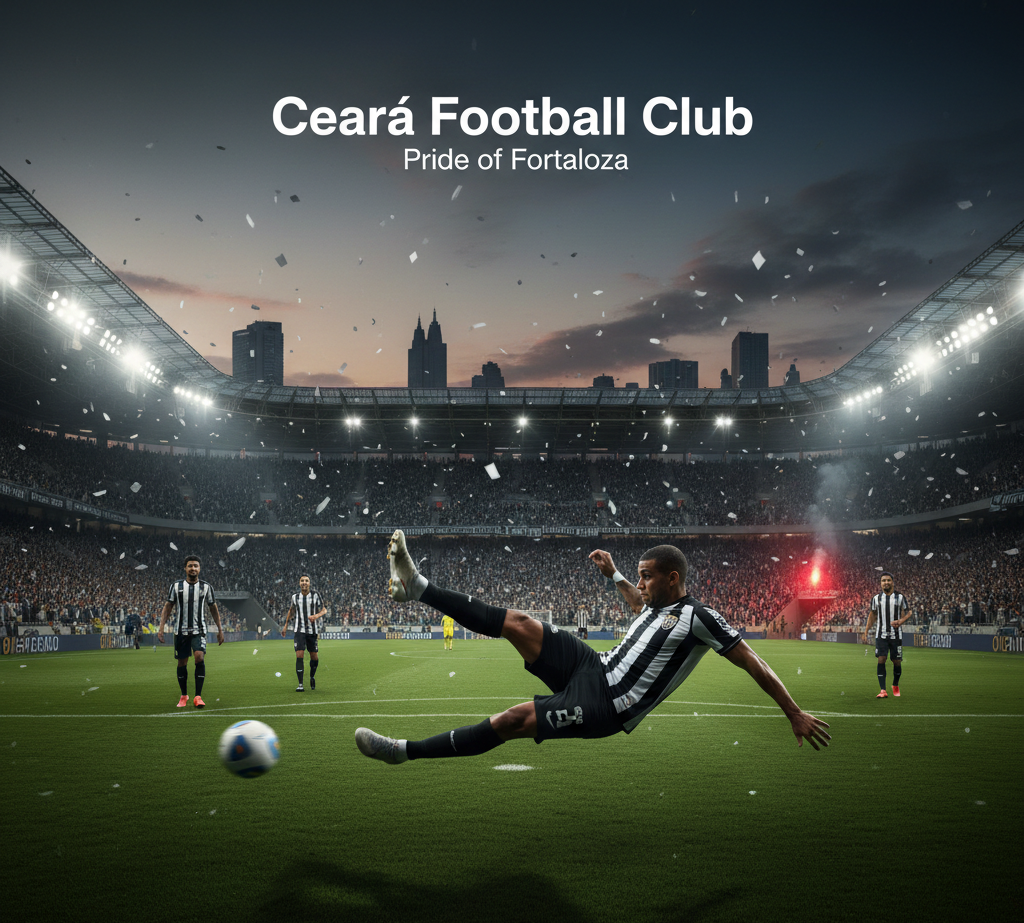
Ceará Football Club, officially known as Ceará Sporting Club, is one of the most historic and respected football institutions in Brazil. Based in Fortaleza, the capital of the state of Ceará, the club represents passion, resilience, and regional pride. For more than a century, Ceará has played a major role in shaping football culture in northeastern Brazil.
From local championships to national competitions, Ceará Football Club has built a legacy defined by competitive spirit and loyal supporters. This comprehensive, 100% human-written article explores the club’s history, achievements, identity, stadium, rivalries, and future ambitions.
The Foundation of Ceará Football Club
Ceará Sporting Club was founded in 1914 during a period when football was rapidly expanding throughout Brazil. What began as a small local initiative quickly grew into one of the most influential football clubs in the region.
The club adopted black and white as its official colors, creating a bold and recognizable identity. Over time, these colors became a symbol of strength, tradition, and unity for supporters across the state.
From its early days, Ceará demonstrated determination and ambition. Competing in local tournaments allowed the club to build confidence, structure, and a growing fan base that would become one of its greatest strengths.
Rise to Regional Dominance
Ceará Football Club established itself as a dominant force in the Campeonato Cearense, the top state-level competition in Ceará. Winning state championships brought recognition and cemented the club’s reputation as one of the strongest teams in northeastern Brazil.
Success in state competitions is deeply meaningful in Brazilian football. These titles represent local pride and superiority over regional rivals. Ceará’s consistent performances in these tournaments helped build a winning mentality that would carry into national competitions.
Through decades of competition, the club accumulated numerous state titles, strengthening its legacy and reinforcing its position as a football powerhouse in the region.
Competing on the National Stage
Ceará Football Club has competed in Brazil’s national league system across multiple divisions, including Serie A, Serie B, and Serie C. The journey has included promotions and relegations, but resilience has always been part of the club’s identity.
Participation in Serie A, Brazil’s top division, marked a significant milestone. Competing against major clubs from across the country elevated Ceará’s status and brought national attention. These seasons showcased the club’s ability to perform at the highest level of Brazilian football.
Even during periods in lower divisions, Ceará maintained competitive ambition. The club’s ability to fight for promotion and rebuild during difficult seasons reflects strong management and supporter backing.
Arena Castelão: The Fortress of Fortaleza
Ceará plays its home matches at Arena Castelão in Fortaleza. The stadium is one of the largest and most modern venues in northeastern Brazil. It has hosted domestic league matches, cup competitions, and international events.
On matchdays, Arena Castelão transforms into a powerful display of black and white. Thousands of supporters fill the stands, creating an intense and emotional atmosphere. The energy of the fans provides a significant home advantage and motivates players to perform at their best.
The stadium is more than a football venue. It represents unity, pride, and community spirit for Ceará supporters.
The Passionate Fan Base
One of Ceará Football Club’s greatest strengths is its passionate and loyal supporters. Known for their unwavering dedication, fans stand behind the team in both successful and challenging seasons.
Supporters create a vibrant atmosphere with chants, flags, and coordinated displays. The emotional connection between the club and its fans is one of the deepest in Brazilian football.
For many families in Fortaleza and across the state, supporting Ceará is a tradition passed down through generations. Matchdays are community events where people gather to celebrate their shared identity.
The Fierce Rivalry
Ceará Football Club shares one of Brazil’s most intense regional rivalries with Fortaleza Esporte Clube. Matches between these two teams are known as the “Clássico-Rei,” or “King’s Classic.”
This rivalry divides the city of Fortaleza and captures the attention of the entire state. The atmosphere during derby matches is electric, filled with emotion and competitive intensity.
The Clássico-Rei is more than just a football match. It represents pride, history, and local supremacy. Victories in these matches are celebrated passionately and remembered for years.
Club Identity and Culture
Ceará’s identity is built on strength, resilience, and regional pride. The black and white colors symbolize determination and unity. The club’s nickname, Vozão, reflects the loud and passionate voice of its supporters.
The team’s culture emphasizes hard work, teamwork, and competitive discipline. These values have helped the club navigate challenges and maintain its reputation in Brazilian football.
Ceará is not simply a sports organization. It is a cultural institution that brings people together and strengthens community bonds.
Youth Development and Future Talent
Developing young players has been an important part of Ceará Football Club’s strategy. Investing in youth development ensures long-term sustainability and competitive growth.
The club’s youth academy focuses on identifying local talent and providing structured training programs. Developing homegrown players strengthens the connection between the team and the community.
Young players who rise through the academy represent the future of Ceará. They bring energy, ambition, and a sense of pride to the first team.
Challenges and Resilience
Like many historic football clubs, Ceará has faced financial pressures, competitive setbacks, and league relegations. However, resilience defines the club’s character.
Each challenging period has been met with restructuring, strategic planning, and renewed determination. Strong supporter backing has been essential during these times.
The ability to rebuild and compete again reflects solid leadership and deep community roots.
Economic and Social Impact
Ceará Football Club plays an important role beyond the pitch. Matchdays stimulate local businesses, create employment opportunities, and promote tourism in Fortaleza.
The club also contributes to youth engagement and social development through sports initiatives. Football provides opportunities for young athletes to pursue professional careers and build discipline through teamwork.
Ceará’s presence strengthens the cultural identity of the region and promotes unity among supporters.
Modern Ambitions
Today, Ceará Football Club aims to achieve consistent performance in national competitions. The club focuses on financial stability, smart recruitment, and infrastructure improvement.
Key objectives include:
Maintaining strong league performance
Strengthening youth development
Enhancing training facilities
Building long-term financial balance
Competing regularly in higher divisions
The ambition to remain competitive at the national level drives the club forward.
Why Ceará Football Club Matters
In a country where football is deeply embedded in culture, Ceará stands as a proud representative of northeastern Brazil. The club embodies passion, resilience, and community spirit.
Ceará matters because it represents more than victories and trophies. It represents identity, pride, and belonging for thousands of supporters.
Through more than a century of competition, the club has shown that determination and unity can overcome challenges.
Conclusion
Ceará Football Club is a historic and influential institution in Brazilian football. From its founding in 1914 to its performances in national leagues, the club has demonstrated resilience, ambition, and deep community connection.
With passionate supporters, a strong regional identity, and clear future goals, Ceará continues to shape its legacy in Brazilian football. The black and white colors remain a powerful symbol of pride in Fortaleza and across the state.