
Table of Contents
- Introduction
- What Are Football Shoes?
- Different Types of Football Shoes
- Key Features to Consider When Buying Football Shoes
- Top Football Shoe Brands and Popular Models
- How to Choose the Right Football Shoes for Your Game
- Care and Maintenance Tips for Longer Life
- Benefits of Investing in Quality Football Shoes
- Frequently Asked Questions (FAQ)
- Conclusion
Introduction
Whether you play on weekends with friends or compete in serious leagues, having the right footwear makes a massive difference to your performance and safety. Football shoes (also known as football boots or soccer cleats) are specially designed to give you better grip, speed, comfort, and control on the pitch.
In this complete guide, we’ll break down everything you need to know about football shoes in 2026 — from different types and important features to expert tips on choosing the perfect pair. If you’re serious about improving your game, this article will help you make a smart purchase.
What Are Football Shoes?
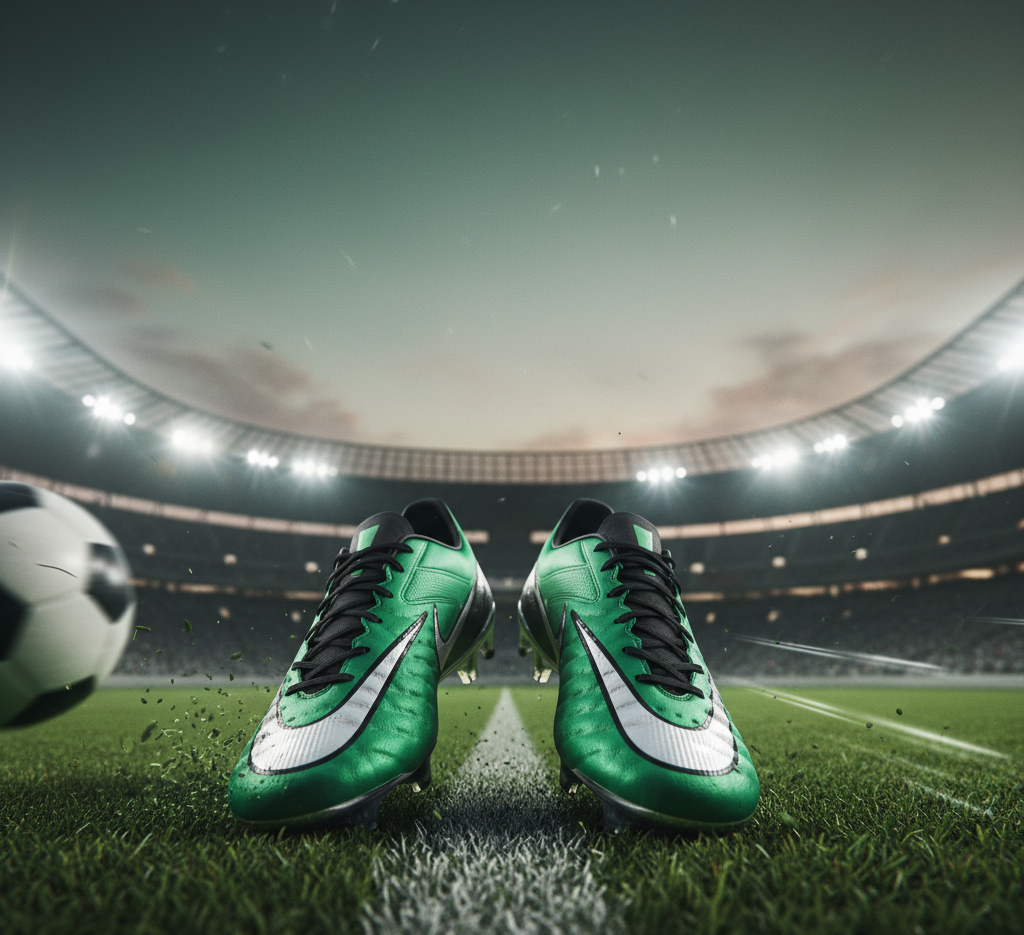
Football shoes are specialized athletic footwear engineered for the demands of football. Unlike regular sneakers, they feature studs or cleats on the outsole for superior traction, a snug fit for ball control, and lightweight materials for agility.
Modern football shoes have evolved significantly with advanced technologies like carbon fiber plates, adaptive knit uppers, and energy-returning foam. Today’s best football shoes balance performance, comfort, and durability while reducing injury risk.
Important point: The right pair of football shoes can enhance your speed, stability, and confidence on the field.
LSI keywords and related terms naturally used in this article include: soccer cleats, football boots, firm ground cleats, artificial grass shoes, turf football shoes, indoor soccer shoes, lightweight football boots, high ankle football shoes, and best football shoes for wide feet.
Different Types of Football Shoes
Choosing the correct type is crucial depending on the surface you play on.
1. Firm Ground (FG) Football Shoes
Designed for natural grass pitches. They have molded or detachable studs for excellent traction on dry or slightly wet grass.
2. Artificial Grass (AG) Cleats
Perfect for synthetic pitches. Shorter, denser studs prevent excessive grip that could cause injuries on hard artificial surfaces.
3. Turf (TF) Football Shoes
Great for hard artificial turf or 3G/4G pitches. They feature many small rubber nubs for grip without digging in.
4. Indoor Soccer Shoes (IC)
Also called futsal shoes. They have flat, non-marking rubber soles for indoor halls and gym floors.
5. Soft Ground (SG) Boots
Best for very wet and muddy natural grass with longer, often metal-tipped studs.
Numbered list of when to use each type:
- Natural grass (dry/slightly wet) → FG
- Artificial grass → AG
- Hard turf or 3G → TF
- Indoor courts → IC
- Heavy rain and mud → SG
Key Features to Consider When Buying Football Shoes
Upper Material
- Knit or synthetic for lightweight feel and breathability
- Leather for premium touch and durability (though heavier)
Fit and Comfort
- Snug, sock-like fit is preferred by professionals
- Consider wide-fit options if you have broader feet
Outsole and Traction
- Stud configuration should match your usual playing surface
Weight Lighter shoes (under 200g) improve acceleration and agility.
Cushioning and Protection Look for good heel cushioning and reinforced toe areas.
Bold tip: Always try football shoes with the socks you normally wear for matches.
Top Football Shoe Brands and Popular Models
Nike Known for innovative designs like the Phantom and Mercurial series. Excellent for speed and agility players.
Adidas Predator and Copa lines offer great touch and control. The X series focuses on explosive speed.
Puma Future and Ultra lines provide outstanding comfort and modern aesthetics.
New Balance and Mizuno Gaining popularity for comfort and value for money.
Other notable mentions: Umbro, Joma, and Kelme for budget-friendly quality options.
When choosing, consider your playing position — strikers often prefer lightweight speed boots while midfielders and defenders may want more stability and protection.
How to Choose the Right Football Shoes for Your Game
Step-by-step buying guide:
- Identify your main playing surface
- Consider your playing style and position
- Decide on budget (good options exist from $40 to $300+)
- Check reviews for your foot shape
- Try them on in the evening when feet are slightly swollen
- Read recent buyer feedback for durability
Pro advice: Invest in two pairs if you play on different surfaces regularly. This extends the life of both pairs.
Care and Maintenance Tips for Longer Life
- Clean mud and grass after every match
- Air dry naturally — never use direct heat
- Rotate between multiple pairs
- Use shoe trees to maintain shape
- Store in a cool, dry place
Proper care can easily add months or even years to your football shoes’ lifespan.
Benefits of Investing in Quality Football Shoes
- Better Performance: Improved traction leads to faster sprints and sharper turns
- Injury Prevention: Proper support reduces risk of ankle twists and knee strain
- Enhanced Ball Control: Better touch and feel for the ball
- Comfort During Long Matches: Reduces foot fatigue
- Confidence Boost: Knowing your boots won’t let you down
Key benefit: High-quality football shoes are an investment in both your performance and long-term foot health.
Frequently Asked Questions (FAQ)
What is the difference between football shoes and soccer cleats? They are the same thing. “Football shoes” is commonly used in most countries while “soccer cleats” is more popular in the United States.
How often should I replace my football shoes? Every 6–12 months depending on how frequently you play. Replace them when the studs wear down or cushioning becomes flat.
Are expensive football shoes worth the money? Not always. Mid-range options ($80–$150) often provide the best value. Top-end boots are best for serious competitive players.
Can I use football shoes for other sports? Generally no. They are optimized specifically for football movements and surfaces.
What are the best football shoes for beginners? Look for comfortable, versatile AG or TF models from reputable brands in the mid-price range.
Conclusion
Choosing the right football shoes can genuinely transform how you play. By understanding the different types, key features, and matching them to your needs, you can find a pair that boosts your performance while keeping your feet comfortable and protected.
Take time to research, try them on whenever possible, and invest according to how seriously you take the game. Whether you’re a weekend warrior or aspiring professional, the perfect football boots are out there waiting for you.