
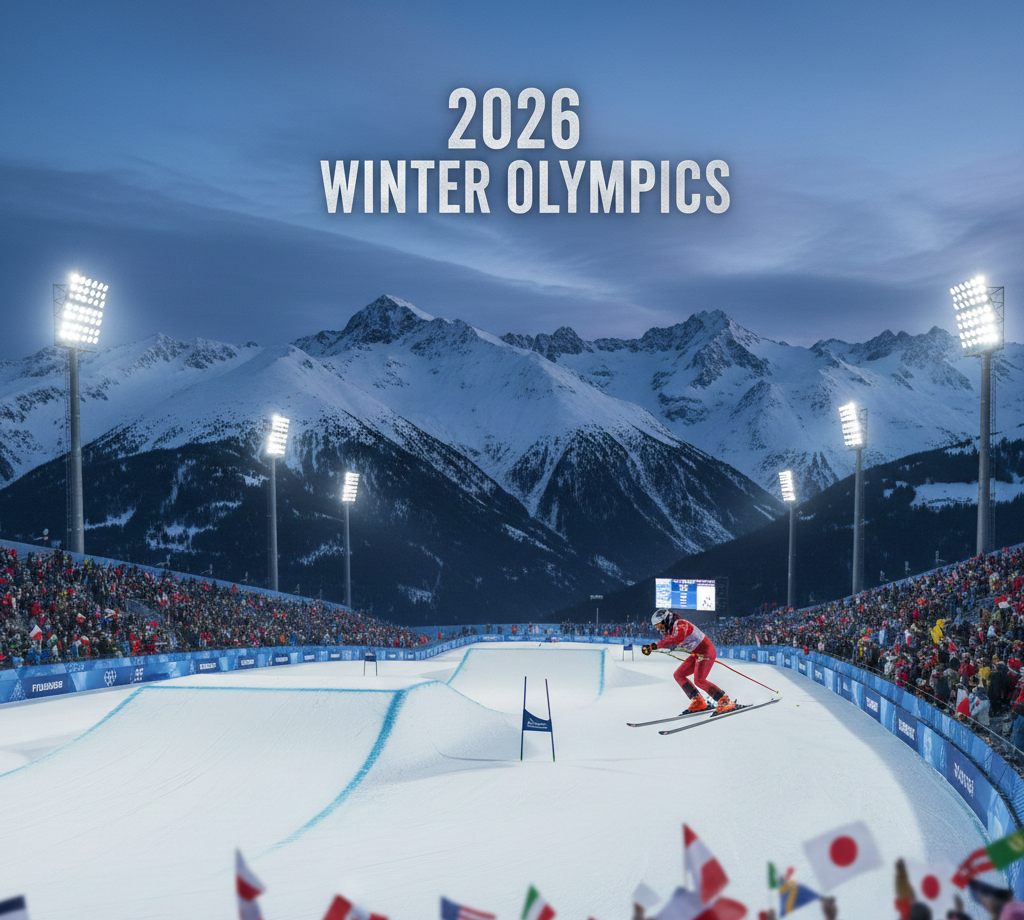
The 2026 Winter Olympics is set to be one of the most exciting global sporting events of the decade. Officially known as the Milano-Cortina 2026 Winter Olympic Games, this major international competition will bring together the world’s best winter athletes in Italy. From breathtaking alpine scenery to innovative sporting venues, the 2026 Winter Olympics promises a spectacular celebration of sport, culture, and global unity.
In this complete guide, you’ll discover the host cities, venues, sports, new additions, sustainability plans, economic impact, and what fans can expect from the 2026 Winter Olympics.
Overview of the 2026 Winter Olympics
The 2026 Winter Olympics will take place in Italy, marking the country’s return as a Winter Olympic host after two decades. The Games will be uniquely spread across multiple regions, primarily Milan and Cortina d’Ampezzo, along with other northern Italian locations.
This edition of the Winter Games stands out for its multi-city hosting model, combining modern urban settings with historic alpine resorts. The event will showcase Italy’s rich sporting tradition, scenic mountain landscapes, and cultural heritage.
Host Cities: Milan and Cortina d’Ampezzo
Milan – The Modern Olympic Hub
Milan will serve as the primary urban center for the Games. Known for fashion, design, and business, Milan will host several indoor ice sports such as:
Ice Hockey
Figure Skating
Short Track Speed Skating
The city offers world-class infrastructure, international transport links, and vibrant nightlife, making it an ideal Olympic hub.
Cortina d’Ampezzo – The Alpine Heart
Cortina d’Ampezzo, often called the “Queen of the Dolomites,” will host alpine skiing and sliding events. It previously hosted the Winter Olympics in 1956, making it a historic and symbolic venue for the 2026 Winter Olympics.
Its snow-covered mountains provide a stunning backdrop for events such as:
Alpine Skiing
Bobsleigh
Skeleton
Luge
The combination of Milan’s modern energy and Cortina’s alpine charm makes the 2026 Winter Olympics truly unique.
Dates of the 2026 Winter Olympics
The 2026 Winter Olympics are scheduled to take place in February 2026, following the traditional Winter Games calendar. The event will span approximately two weeks, featuring opening and closing ceremonies, medal events, and cultural celebrations.
Sports and Disciplines in the 2026 Winter Olympics
The Winter Olympics traditionally includes a wide range of snow and ice sports. The 2026 Winter Olympics will feature:
Ice Sports
Figure Skating
Ice Hockey
Speed Skating
Short Track Speed Skating
Curling
Skiing Events
Alpine Skiing
Cross-Country Skiing
Ski Jumping
Nordic Combined
Freestyle Skiing
Snowboarding
Sliding Sports
Bobsleigh
Skeleton
Luge
These sports attract athletes from across the globe, competing for Olympic gold in challenging winter conditions.
New Sports and Innovations
The International Olympic Committee continuously evaluates sports for inclusion. The 2026 Winter Olympics may introduce updated formats or additional mixed-gender events, reflecting modern values of inclusivity and equality.
Recent Winter Games have seen growth in:
Mixed team events
Youth-focused snowboarding competitions
Freestyle skiing variations
The goal is to make the Olympics more engaging for younger audiences while maintaining traditional winter sports excellence.
Sustainability and Environmental Goals
One of the most important aspects of the 2026 Winter Olympics is sustainability. Organizers have emphasized:
Using existing venues where possible
Reducing carbon emissions
Promoting renewable energy
Encouraging eco-friendly transport
Instead of building excessive new infrastructure, Italy is focusing on upgrading and repurposing existing facilities. This sustainable approach reduces environmental impact while preserving natural landscapes.
The Olympic motto for 2026 emphasizes balance between sport and nature, aligning with global climate responsibility.
Economic Impact of the 2026 Winter Olympics
Hosting the 2026 Winter Olympics is expected to bring significant economic benefits to Italy, including:
Increased tourism
Job creation
Infrastructure development
International investment
Millions of visitors are expected to travel to Italy during the Games, boosting hospitality, transportation, retail, and local businesses.
Long-term economic benefits may also include enhanced global visibility and increased future tourism.
Athletes to Watch
The 2026 Winter Olympics will feature elite athletes from around the world. Competitors will include:
Defending Olympic champions
Rising young stars
Veteran athletes seeking redemption
Nations traditionally strong in winter sports, such as Norway, Canada, Germany, the United States, and Switzerland, are expected to perform well. Italy will also aim to shine on home soil.
Olympic Venues and Regions
The Games will be spread across several Italian regions, including:
Milan
Cortina d’Ampezzo
Verona
Bormio
Livigno
This decentralized model helps reduce congestion while showcasing multiple Italian destinations.
Each region will specialize in specific sports based on geography and facility availability.
Opening and Closing Ceremonies
The opening ceremony of the 2026 Winter Olympics is expected to be a grand celebration of Italian culture, featuring:
Music and art performances
Historical storytelling
Modern design elements
A parade of nations
The closing ceremony will mark the end of the Games with medal presentations, cultural performances, and the symbolic passing of the Olympic flag to the next host city.
Ticket Information and Global Viewership
The Winter Olympics typically attract millions of viewers worldwide. Fans can attend in person or watch via international broadcasts and streaming platforms.
Ticket sales are expected to include:
Individual event tickets
Ceremony packages
Hospitality experiences
With winter sports growing in popularity, viewership numbers are anticipated to be strong for Milano-Cortina 2026.
Technology and Innovation at the 2026 Winter Olympics
The Games will showcase cutting-edge technology, including:
Advanced broadcasting systems
Enhanced athlete tracking
AI-powered performance analysis
Digital fan engagement platforms
Modern technology ensures fans enjoy immersive viewing experiences whether in stadiums or at home.
Why the 2026 Winter Olympics Are Important
The Olympics represent more than sport. The 2026 Winter Olympics symbolizes:
International unity
Peaceful competition
Cultural exchange
Athletic excellence
At a time when global cooperation is crucial, the Winter Games provide a platform for countries to compete respectfully and celebrate shared values.
Challenges Facing the 2026 Winter Olympics
While excitement is high, challenges include:
Climate change affecting snowfall
Rising event costs
Infrastructure management
Security planning
Organizers are working carefully to address these concerns while ensuring a smooth and successful event.
Italy’s Winter Sports Legacy
Italy has a proud winter sports tradition. The country has produced champions in:
Alpine skiing
Speed skating
Snowboarding
Bobsleigh
Hosting the 2026 Winter Olympics strengthens Italy’s position as a major winter sports nation and revives its Olympic heritage.
Global Expectations for Milano-Cortina 2026
The 2026 Winter Olympics is expected to deliver:
Thrilling competitions
Memorable Olympic moments
Strong sustainability leadership
Economic and tourism growth
With stunning Alpine scenery and passionate fans, the event promises to be visually spectacular and emotionally powerful.
Conclusion
The 2026 Winter Olympics in Milano-Cortina is shaping up to be a historic and innovative edition of the Winter Games. By combining modern cities with classic mountain venues, Italy is creating a unique Olympic experience that blends tradition, sustainability, and cutting-edge sport.
From world-class athletes and breathtaking alpine events to global unity and cultural celebration, the 2026 Winter Olympics will capture the world’s attention and deliver unforgettable moments.
As February 2026 approaches, excitement continues to build for what promises to be one of the most remarkable Winter Olympic Games in history.