
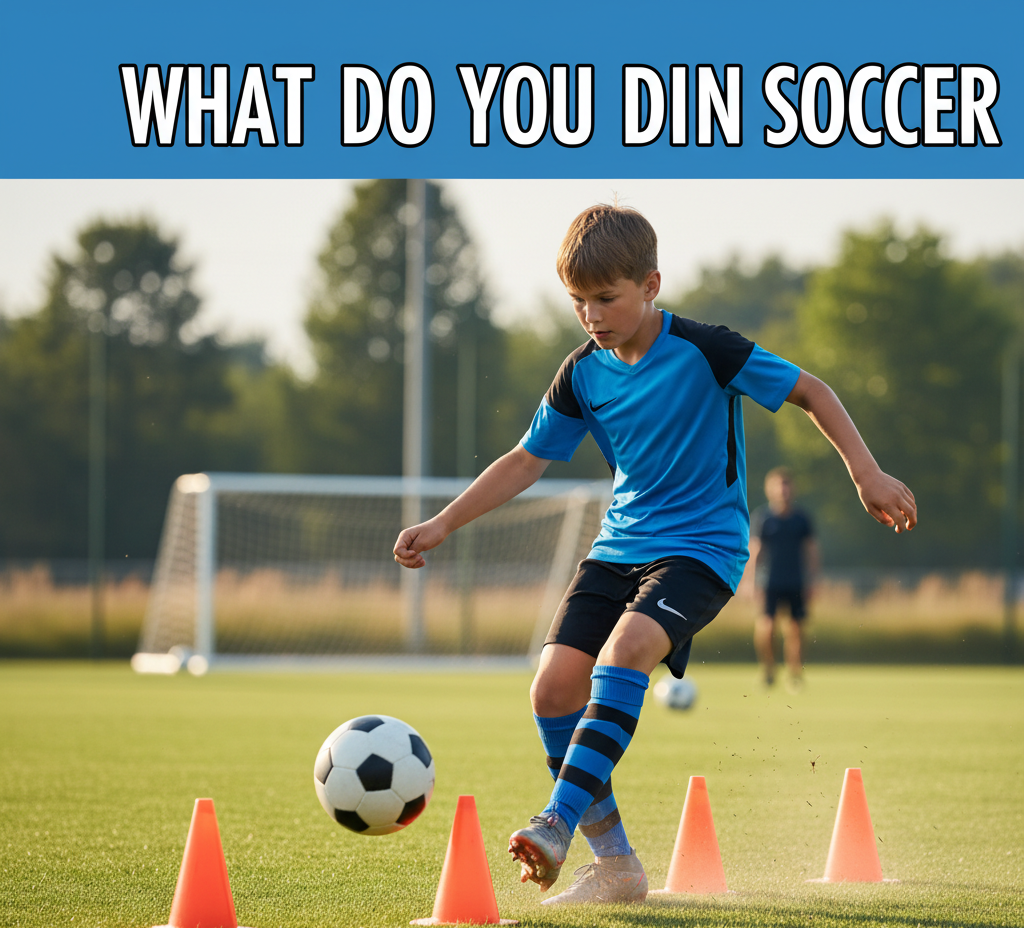
Soccer, also known as football in most countries, is the world’s most popular sport. Millions of people play it every day, from kids in schoolyards to professionals in huge stadiums. But if you’re new to the game, you may ask: “what do you do in soccer?”
In this guide, we’ll break down everything about soccer — from basic rules to essential skills, drills, and strategies. Whether you are a beginner or looking to improve your game, this article will help you understand the game and how to play it effectively.
What Is Soccer?
Soccer is a team sport played between two teams of 11 players each. The main goal is simple: score more goals than the opponent. Players use their feet, head, or body to move the ball, but only the goalkeeper can use hands inside the penalty area.
Soccer is not just a game of running. It involves strategy, coordination, teamwork, and skills such as dribbling, passing, and shooting.
Basic Rules: What Do You Do in Soccer?
Before stepping on the field, it’s important to understand the basic rules:
1. Start of the Game
A coin toss decides which team kicks off first.
The game starts with a kickoff from the center of the field.
2. Scoring Goals
You score by getting the ball into the opponent’s net.
Each goal counts as one point.
3. Duration
A standard match has two halves of 45 minutes each, with a 15-minute break in between.
Some leagues include extra time or penalties if needed.
4. Offside Rule
A player is offside if they are closer to the opponent’s goal than the second-last defender when the ball is played.
This encourages teamwork and prevents “goal-hanging.”
5. Fouls
Pushing, tripping, or handball (except goalkeeper) are fouls.
Fouls may result in free kicks, penalties, or yellow/red cards.
6. Throw-ins, Corner Kicks, and Goal Kicks
When the ball crosses the sidelines, the opposite team gets a throw-in.
Corner kicks occur when the defending team last touches the ball before it crosses the goal line.
Goal kicks happen when the attacking team last touches the ball before it goes out.
Positions in Soccer: What Do You Do in Each Role?
To answer “what do you do in soccer?”, it helps to understand positions and responsibilities:
1. Goalkeeper
The only player allowed to use hands inside the penalty box.
Main task: prevent goals.
Skills: quick reflexes, diving, communication, and shot-stopping.
2. Defenders
Include center-backs, full-backs, and wing-backs.
Main task: stop opponents from scoring.
Skills: tackling, marking, heading, and positioning.
3. Midfielders
Connect defense and attack.
Types: defensive, central, attacking, or wide midfielders.
Tasks: pass, control the game, support both attack and defense.
Skills: dribbling, passing accuracy, vision, stamina.
4. Forwards/Strikers
Main task: score goals.
Skills: finishing, positioning, speed, dribbling, and heading.
Essential Skills: What Do You Do in Soccer to Improve?
Soccer is not just running. You need to practice specific skills.
1. Dribbling
Moving the ball while maintaining control.
Helps you beat defenders and create scoring chances.
2. Passing
Sharing the ball with teammates.
Includes short passes, long passes, and one-touch passes.
3. Shooting
Striking the ball to score.
Includes power shots, finesse shots, volleys, and headers.
4. Ball Control
Receiving passes cleanly with your feet, thigh, or chest.
First touch is critical to control the pace of the game.
5. Defending
Tackling opponents without committing a foul.
Positioning and intercepting passes are key.
6. Fitness
Soccer requires stamina, speed, and agility.
Players often run 7–10 km per match.
What Do You Do in Soccer Training?
Training helps you improve skills and overall performance. Typical soccer training includes:
1. Warm-up
Light jogging, stretching, and mobility exercises.
Reduces risk of injury.
2. Drills
Dribbling drills: cone exercises, zig-zag runs.
Passing drills: wall passes, short/long passes.
Shooting drills: target shooting, finishing exercises.
Fitness drills: sprints, agility ladders, endurance runs.
3. Game Simulation
Practice with small-sided games to apply skills in real situations.
4. Cool-down
Light jogging and stretching to recover muscles.
Common Mistakes Beginners Make
Many beginners struggle because they don’t understand what to do in soccer:
Ignoring ball control
Not passing accurately
Poor positioning
Overrunning the game (running without thinking)
Neglecting fitness
Avoiding these mistakes can improve your performance fast.
Tips to Play Soccer Better
Practice regularly: 3–5 times a week is ideal.
Use both feet: improves versatility.
Watch professional games: learn positioning and strategy.
Focus on weak areas: identify and improve them.
Communicate: soccer is a team sport, talk to teammates.
How Soccer Helps You Beyond the Field
Playing soccer is not just about the game. It improves:
Fitness: builds endurance, speed, and strength.
Teamwork: teaches collaboration and leadership.
Discipline: consistent practice develops focus.
Mental toughness: handling pressure improves resilience.
What Do You Do in Soccer Matches?
In matches, your tasks depend on your position, but general responsibilities include:
Stay aware of the ball and teammates
Make quick decisions
Support attack or defense
Follow coach’s strategy
Maintain stamina and focus
Fun Ways to Learn Soccer at Home
Even without a full field, you can practice at home:
Dribbling around cones or household objects
Passing against a wall
Shooting into a target area
Fitness exercises with a soccer ball
Watch YouTube tutorials for drills
Conclusion
So, what do you do in soccer? The answer depends on your position, skill level, and role in the game. But universally, you run, pass, dribble, shoot, defend, and work as a team. Soccer is about skill, strategy, and fun.
Whether you play casually or competitively, understanding the game and practicing regularly will make you a better player. Start small, focus on fundamentals, and enjoy the game — that’s what soccer is all about.