
Introduction
Washington Rugby Football Club stands as one of the most respected and competitive rugby organizations in the region, combining athletic excellence with a strong commitment to community and youth development. Founded with the mission to promote rugby at all levels, Washington RFC has become a hub for players, fans, and enthusiasts who value teamwork, discipline, and sportsmanship.
From its grassroots beginnings to its current position as a competitive force in regional and national rugby competitions, Washington Rugby Football Club has earned a reputation for building players, engaging communities, and fostering a culture of inclusivity and respect.
Origins and History of Washington Rugby Football Club
Washington Rugby Football Club was established to provide a platform for rugby enthusiasts in the Washington area. The early years were characterized by small teams, volunteer-led operations, and a focus on spreading knowledge of rugby, a sport that, while growing in popularity, remained less mainstream in comparison to other American sports.
The club quickly became known for its dedication to discipline, skill development, and team cohesion, laying the foundation for long-term growth. Over the decades, Washington RFC expanded its membership, established formal training programs, and participated in increasingly competitive leagues, gradually earning recognition within the rugby community.
Club Philosophy and Core Values
Washington Rugby Football Club operates on a philosophy that extends beyond winning matches. The club emphasizes character, teamwork, and community impact as much as athletic performance.
Core Values of Washington RFC
Integrity: Upholding honesty, fairness, and respect in all aspects of the game.
Discipline: Ensuring players commit to training, personal development, and team strategies.
Inclusivity: Welcoming players of all backgrounds, genders, and skill levels.
Community Engagement: Using rugby as a tool to connect and positively influence local communities.
Excellence: Striving for continuous improvement on and off the field.
These principles have guided the club’s operations and contributed to its strong reputation in the rugby community.
Playing Philosophy and Tactical Approach
Washington Rugby Football Club emphasizes a balanced and adaptable style of rugby, blending strong defense with dynamic attacking play. Coaches focus on developing both technical skills and strategic thinking, ensuring players are equipped for diverse competitive scenarios.
Key Tactical Principles
Defensive Organization: Structured formations to limit opposition scoring opportunities.
Dynamic Offense: Quick transitions, creative ball movement, and support play.
Set-Piece Precision: Expertise in scrums, lineouts, and rucks to maintain possession and control.
Physical and Mental Fitness: Emphasizing endurance, strength, and decision-making under pressure.
This tactical approach allows Washington RFC to compete effectively across different leagues while fostering individual player growth.
Home Ground and Facilities
The home ground of Washington Rugby Football Club serves as the heart of the club’s activities, hosting matches, training sessions, and community events. Facilities are designed to support both performance and engagement.
Key Features
Regulation rugby pitch with proper markings
Training areas and fitness equipment
Clubhouse for meetings, team gatherings, and social events
Spectator seating to accommodate supporters
These facilities help Washington RFC maintain high standards for both players and fans.
Competitive Achievements and Milestones
Washington Rugby Football Club has achieved recognition through consistent performance and competitive success. While the club focuses on development and community, it also has a record of notable accomplishments in regional competitions.
Notable Achievements
Strong league performances and playoff appearances
Participation in national rugby tournaments
Development of players who advanced to professional or representative teams
Recognition for sportsmanship and team discipline
These achievements reflect the club’s dual focus on competitive success and holistic player development.
Youth Development Programs
One of Washington RFC’s strengths lies in its commitment to nurturing young talent. The club operates structured youth programs designed to teach rugby fundamentals while emphasizing personal growth.
Youth Program Highlights
Age-specific coaching for boys and girls
Technical skill development, including passing, tackling, and scrummaging
Competitive match experience within safe and supportive environments
Mentorship and guidance on discipline, teamwork, and leadership
The club’s youth programs serve as a pipeline for senior teams and foster a lifelong love for rugby.
Player Pathways and Advancement
Washington Rugby Football Club offers clear pathways for player progression from youth teams to senior squads. The club encourages athletes to develop at their own pace while offering opportunities to compete at higher levels.
Benefits for Players
Structured training and personal development plans
Regular competitive matches
Exposure to scouting opportunities for college or professional rugby
Mentorship from experienced coaches and senior players
This pathway model ensures continuity, loyalty, and long-term success for both the players and the club.
Community Engagement and Social Impact
Washington RFC is dedicated to using rugby as a means to positively impact the surrounding community. The club engages in activities that promote health, inclusivity, and social cohesion.
Community Initiatives
Rugby clinics and camps for local youth
School outreach programs to teach rugby fundamentals
Charity matches and fundraising events
Volunteer opportunities to engage fans and residents
These programs strengthen the club’s presence and reputation as a community-focused organization.
Fan Culture and Supporter Engagement
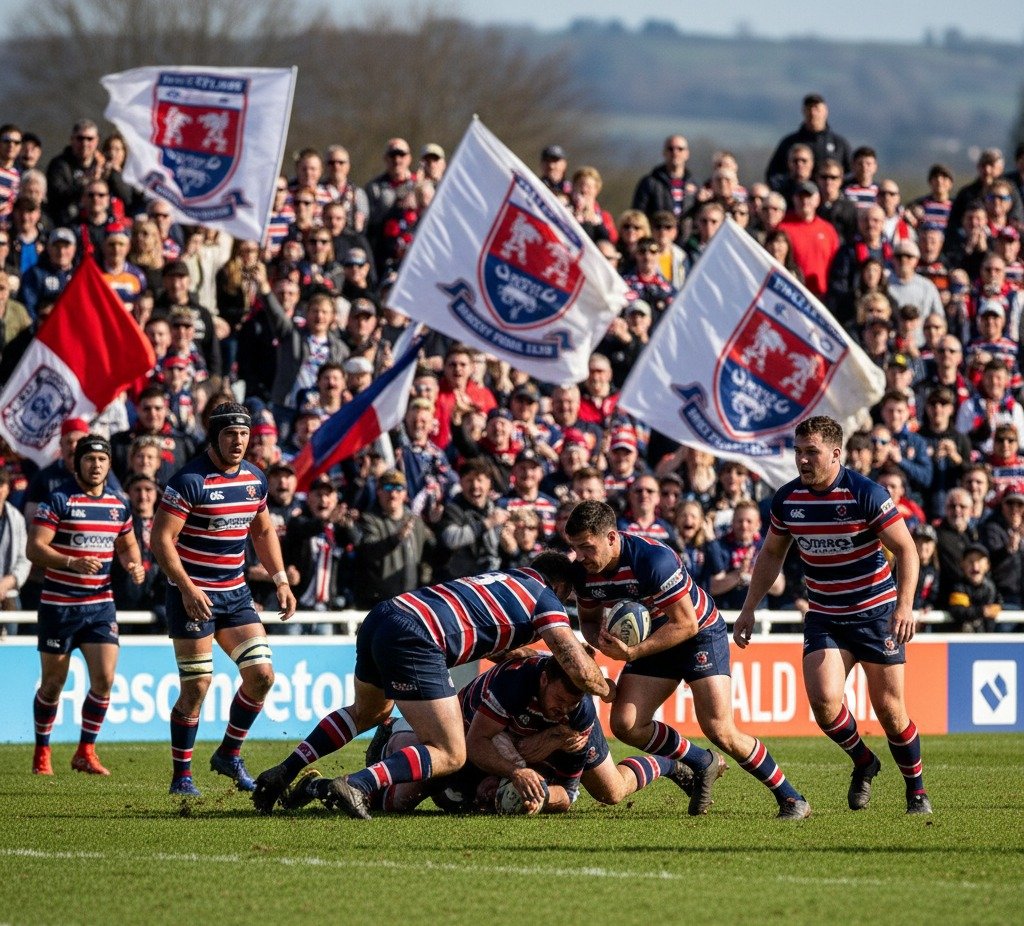
The supporters of Washington Rugby Football Club play an essential role in the club’s identity. Fans are known for their loyalty, enthusiasm, and encouragement, creating a welcoming and motivating atmosphere during matches.
Features of Washington RFC Fans
Dedicated attendance at home and away games
Active involvement in club events and social initiatives
Pride in supporting local rugby culture
Family-friendly and inclusive matchday environment
The relationship between players and fans enhances team morale and strengthens community ties.
Leadership and Club Management
Strong leadership has been key to Washington Rugby Football Club’s growth and sustainability. The club operates with a collaborative structure that ensures strategic development and operational stability.
Management Structure
Club executives overseeing governance and strategic planning
Coaching staff focused on performance, training, and player growth
Volunteers supporting daily operations and event management
This structure enables Washington RFC to balance competitive performance with community engagement effectively.
Challenges and Resilience
Like many rugby clubs, Washington RFC faces challenges, including:
Financial limitations for facilities and travel
Recruiting and retaining players in a competitive sports environment
Balancing youth development with senior team competitiveness
Maintaining consistent performance in regional leagues
Despite these challenges, the club’s resilience, planning, and community support have enabled it to thrive.
Future Vision of Washington Rugby Football Club
Washington RFC is committed to long-term growth, focusing on sustainability and continuous improvement. Future objectives include:
Expansion of youth and grassroots programs
Upgrading facilities and training equipment
Enhancing competitive performance at regional and national levels
Strengthening community engagement and partnerships
By prioritizing sustainable development, Washington Rugby Football Club ensures it remains a pillar of rugby culture in the region.
Why Washington Rugby Football Club Matters
Washington RFC is more than a rugby club—it is a community institution. The club provides opportunities for athletic and personal development, fosters social inclusion, and preserves the spirit of rugby in the area.
Players, coaches, fans, and community members all benefit from the club’s focus on teamwork, discipline, and respect, making it an important part of local sports culture.
Conclusion
Washington Rugby Football Club exemplifies how a sports organization can combine competitive excellence, youth development, and community engagement. With strong leadership, a commitment to values, and a focus on sustainable growth, Washington RFC continues to thrive as a respected and inclusive rugby institution.
From nurturing young talent to competing in regional leagues, from fostering a loyal fan base to making a social impact, Washington Rugby Football Club remains a cornerstone of rugby culture. Its ongoing commitment ensures that the club will continue to grow, inspire, and unite players and communities for years to come.