
Introduction
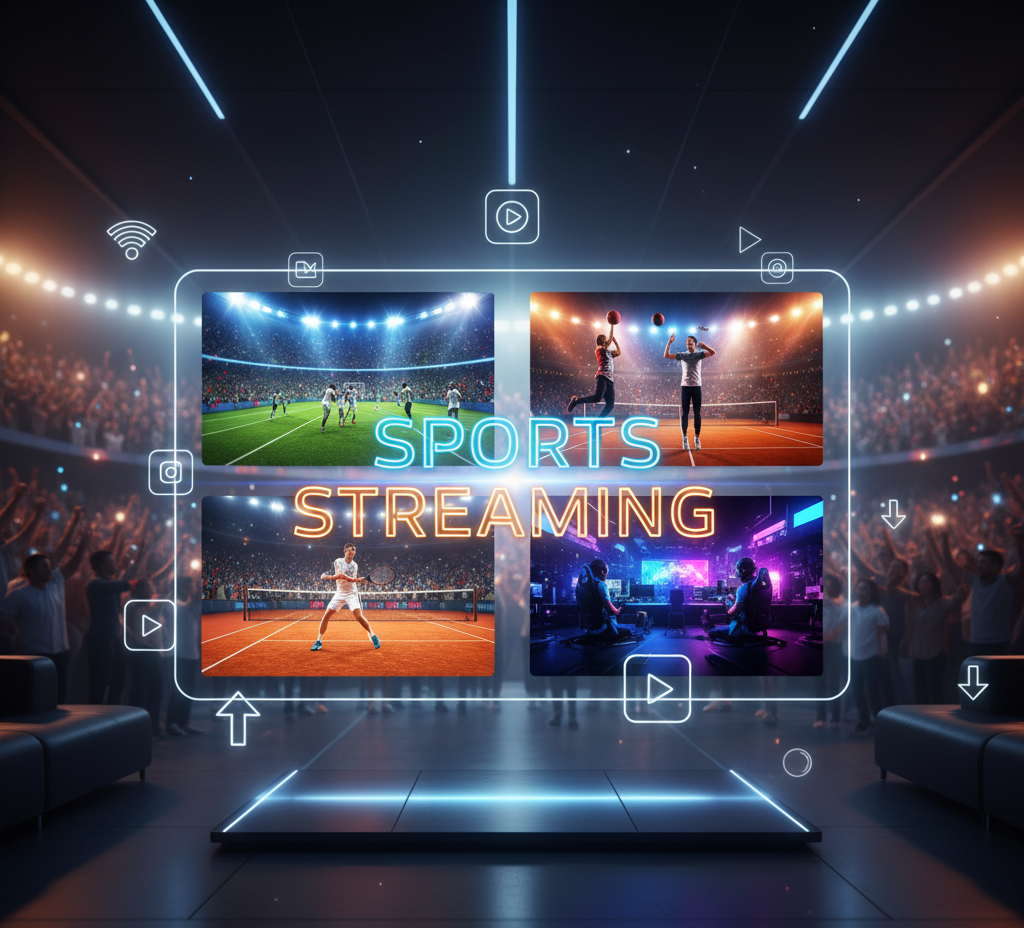
In today’s digital era, sports fans no longer rely solely on television to catch live matches or highlights. Sports streaming has revolutionized the way audiences consume sporting events, offering convenience, flexibility, and access to global competitions. Whether it’s football, basketball, tennis, or esports, streaming platforms allow fans to watch live games, replays, and exclusive content anytime and anywhere.
The rise of sports streaming has not only changed how fans engage with their favorite teams but also opened up new opportunities for broadcasters, leagues, and startups in the digital media industry. This guide explores the world of sports streaming, its benefits, challenges, and future trends, providing insights for both fans and businesses looking to tap into this growing market.
What Is Sports Streaming?
Sports streaming refers to the online broadcasting of live or recorded sports events over the internet. Unlike traditional television, streaming allows users to watch content on computers, smartphones, tablets, smart TVs, and other internet-enabled devices.
Key aspects of sports streaming include:
Live Streaming: Real-time broadcast of sports events as they happen.
On-Demand Content: Highlights, full replays, and exclusive content accessible at any time.
Multi-Device Access: Viewers can watch games on multiple devices, ensuring flexibility.
Subscription or Free Models: Some platforms offer paid subscriptions, while others provide free ad-supported streaming.
With the growing popularity of streaming services, fans have more control over what they watch, when they watch it, and how they consume sports content.
Benefits of Sports Streaming
Sports streaming offers numerous advantages for fans, leagues, and broadcasters alike.
1. Accessibility and Convenience
Streaming allows fans to watch games from anywhere in the world without being tied to a TV schedule. Whether at home, commuting, or traveling, users can follow their favorite teams and athletes live.
2. Cost-Effective Alternative
Traditional cable or satellite subscriptions can be expensive. Sports streaming services often provide affordable subscription plans, allowing fans to access multiple leagues and tournaments at a fraction of the cost.
3. Global Reach
Fans are no longer limited by geographic boundaries. Streaming platforms allow international audiences to watch local and international sporting events.
4. Interactive Features
Many streaming platforms include interactive elements such as live statistics, multi-angle cameras, real-time chat, and social media integration, enhancing the viewing experience.
5. Personalized Experience
Streaming services often offer personalized recommendations based on user preferences, ensuring fans never miss games involving their favorite teams or sports.
Popular Sports Streaming Platforms
The sports streaming market has grown rapidly, with numerous platforms competing for viewers. Some of the most popular options include:
1. ESPN+
A leading platform for sports content, ESPN+ offers live games, original shows, documentaries, and highlights across various sports.
2. DAZN
DAZN focuses on combat sports like boxing and MMA but also offers football, basketball, and other sports in select regions.
3. NBC Sports
NBC Sports streams events from the Premier League, NFL, NHL, and other major leagues, offering both live and on-demand content.
4. FuboTV
FuboTV is a subscription-based streaming service specializing in live sports, particularly football, basketball, and soccer.
5. YouTube TV and Hulu + Live TV
These services combine live sports with general entertainment content, providing an all-in-one streaming solution for cord-cutters.
6. Specialized League Platforms
Major leagues such as the NFL, NBA, MLB, and UEFA also provide official streaming services for live matches, highlights, and exclusive content.
How Sports Streaming Works
Sports streaming relies on a combination of technology and infrastructure to deliver content seamlessly to viewers. Key components include:
1. High-Speed Internet
A reliable and fast internet connection is essential for uninterrupted streaming. Higher bandwidth ensures better video quality and fewer buffering interruptions.
2. Content Delivery Networks (CDNs)
CDNs distribute content across multiple servers worldwide, reducing latency and improving streaming speed for viewers in different regions.
3. Video Encoding and Compression
Live games are encoded and compressed to balance video quality with efficient bandwidth usage, allowing viewers with varying internet speeds to enjoy the stream.
4. Streaming Protocols
Protocols such as HLS (HTTP Live Streaming) and DASH (Dynamic Adaptive Streaming over HTTP) enable adaptive streaming, adjusting video quality dynamically based on network conditions.
5. User Interfaces
Apps and websites provide an intuitive interface for viewers, offering features like play/pause, multi-camera angles, live stats, and notifications for upcoming games.
Types of Sports Streaming
Sports streaming can be categorized into several types based on content delivery and access model:
1. Live Streaming
Live streaming allows fans to watch games as they happen in real-time. This is the most popular type of sports streaming for major leagues, tournaments, and global events.
2. On-Demand Streaming
On-demand streaming offers replays, highlights, and analysis for fans who missed the live broadcast. This type of streaming enhances engagement by giving viewers control over when they watch.
3. Free Streaming
Some platforms provide free ad-supported sports content, allowing users to watch games without paying a subscription fee. However, these streams may have lower video quality or limited coverage.
4. Subscription-Based Streaming
Paid services offer premium access, including exclusive content, high-definition video, and ad-free experiences. Subscription-based models often provide a more reliable and legal source of sports streaming.
Challenges in Sports Streaming
While sports streaming provides numerous benefits, there are challenges that both platforms and users face:
1. Piracy and Illegal Streaming
Unauthorized streams can harm leagues, broadcasters, and content creators by reducing revenue and violating copyright laws. Users must rely on legal platforms for safe and reliable viewing.
2. Bandwidth and Latency Issues
Streaming live sports requires stable internet. Poor connections can lead to buffering, low-quality video, or missed moments in the game.
3. Regional Restrictions
Licensing agreements often restrict access to certain sports content in specific regions. Fans may need VPNs or official regional platforms to watch desired games.
4. Cost of Premium Services
While streaming is cheaper than cable, subscribing to multiple sports platforms can still be expensive for fans who want access to various leagues and tournaments.
5. Technical Issues
Platform downtime, server overloads, or app glitches can impact the streaming experience, especially during major events with millions of concurrent viewers.
Trends in Sports Streaming
The sports streaming industry is constantly evolving with new technologies and viewer expectations:
1. Mobile-First Streaming
With the rise of smartphones, more users prefer watching games on mobile devices. Streaming platforms optimize apps for mobile viewing and interactive features.
2. Multi-Angle and VR Streaming
Advanced technologies allow viewers to switch between camera angles or even experience games in virtual reality, providing immersive experiences.
3. Integration with Social Media
Streaming platforms increasingly integrate social media for live commentary, polls, and fan interactions, enhancing engagement.
4. AI-Powered Personalization
Artificial intelligence analyzes user behavior to suggest games, highlights, and content tailored to individual preferences.
5. Esports Streaming
Competitive gaming has surged in popularity, creating a new segment of sports streaming focused on live esports events.
Tips for an Optimal Sports Streaming Experience
To make the most of sports streaming, fans should follow these tips:
Ensure a stable, high-speed internet connection
Use official, legal streaming platforms to avoid piracy issues
Optimize device settings for better video quality
Subscribe to platforms that cover the sports and leagues you follow
Enable notifications to never miss live matches or highlights
Use headphones or surround sound for an immersive audio experience
Future of Sports Streaming
The future of sports streaming looks promising with technological advancements and increasing global demand. Key developments to watch include:
More global access to live sports through cloud-based platforms
Enhanced interactivity with AI, VR, and AR features
Personalized content delivery for fans based on preferences
Expansion of esports and niche sports coverage
Strategic partnerships between leagues, streaming platforms, and social media networks
As streaming becomes the dominant way to consume sports, platforms and startups have tremendous opportunities to innovate and capture audiences worldwide.
Conclusion
Sports streaming has transformed the way fans engage with their favorite teams, athletes, and leagues. Offering convenience, flexibility, and global access, streaming platforms have made watching live and on-demand sports easier than ever before. For broadcasters, leagues, and startups, the rise of sports streaming represents an opportunity to reach larger audiences and monetize digital content effectively.
From live streaming to on-demand highlights, from mobile apps to VR experiences, the future of sports consumption is digital, interactive, and personalized. Fans who embrace these platforms enjoy unparalleled access to the games they love, while businesses in the sports streaming space can capitalize on a rapidly growing global market.
Whether you are a fan, a sports startup, or a digital content creator, understanding the dynamics of sports streaming and keeping up with trends, technologies, and best practices is essential to staying ahead in the evolving world of sports media.