
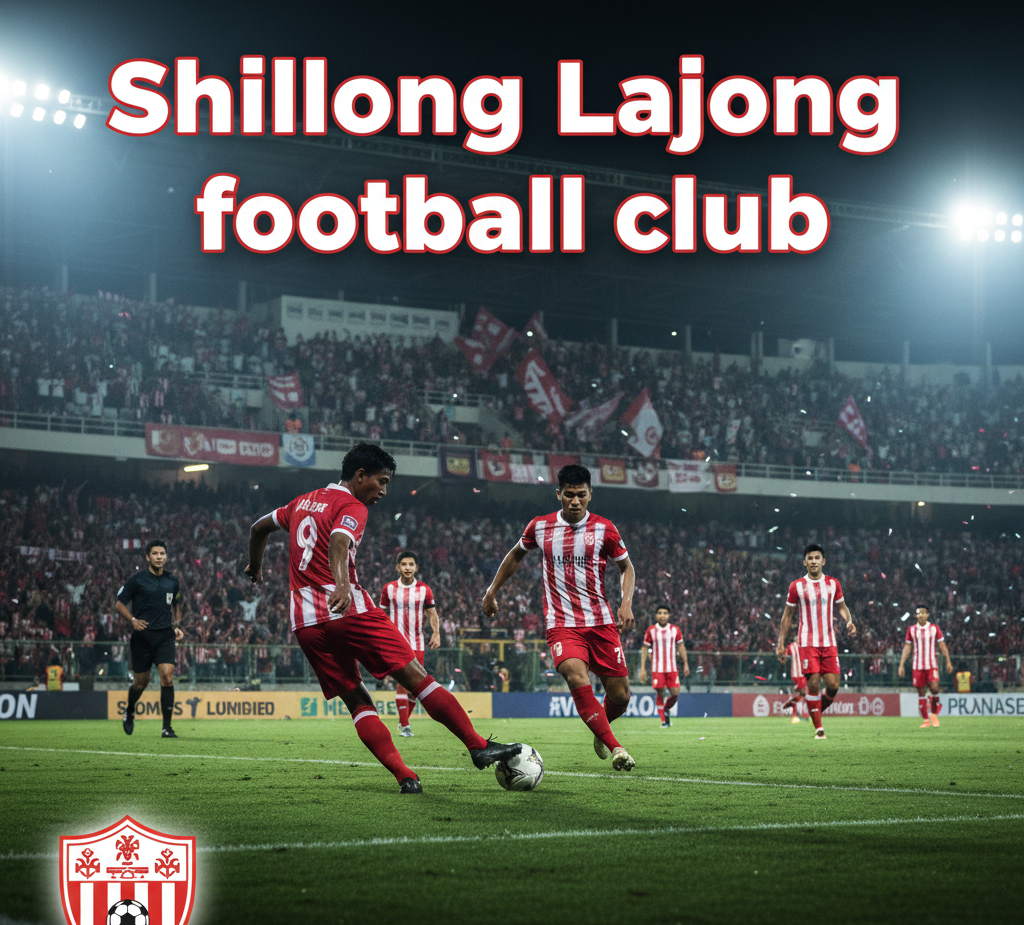
Shillong Lajong Football Club is one of the most iconic football clubs in Northeast India. Based in the scenic hill city of Shillong, Meghalaya, the club has become a symbol of regional pride, local talent, and footballing passion. Known for its commitment to developing young players, strong community engagement, and competitive performances, Shillong Lajong football club has a reputation that extends far beyond the state of Meghalaya.
This comprehensive guide covers the club’s history, achievements, culture, fanbase, academy, key players, home ground, recent performances, and future prospects.
History and Origins
Shillong Lajong Football Club was founded in 1983 with a mission to promote football in Meghalaya and provide local youth with professional opportunities. The word “Lajong” translates to “our own” in the Khasi language, reflecting the club’s deep connection to its community.
Initially competing in regional tournaments, Lajong quickly established itself as a competitive side. Its rise through the ranks saw the club enter the national stage by participating in the I-League Second Division, eventually earning promotion to India’s top-tier league. This journey highlights Lajong’s persistence, commitment to local talent, and growing reputation in Indian football.
Club Philosophy and Identity
The philosophy of Shillong Lajong centers on youth development, community engagement, and promoting football culture in Northeast India. The club’s academy provides structured training and mentorship, allowing local talent to transition from grassroots football to professional levels.
The team’s colors — predominantly red and white — symbolize passion, energy, and unity among players and supporters. Shillong Lajong’s crest and colors are instantly recognizable, representing the pride of Meghalaya in Indian football.
Home Ground — Jawaharlal Nehru Stadium, Shillong
Shillong Lajong plays its home matches at the Jawaharlal Nehru Stadium, locally known as the Polo Ground. With a capacity of approximately 15,000, the stadium is one of the premier football venues in Northeast India.
The stadium has hosted memorable Lajong matches, from promotion battles to crucial cup fixtures. Its vibrant atmosphere, amplified by local fans, makes it one of the toughest grounds for visiting teams in the country. The stadium also serves as a cultural hub, reinforcing football’s significance in Shillong’s social life.
Competitive Journey
Rise to National Prominence
Shillong Lajong’s journey to national recognition began with strong performances in regional leagues. The club earned promotion to the I-League Second Division, where it proved its ability to compete at a higher level. Following consistent performances, Lajong was promoted to India’s top-tier league, marking its entry into the national football scene.
Relegation and Comeback
Like many smaller clubs, Shillong Lajong has faced challenges in maintaining top-tier status. After experiencing relegation, the club refocused on youth development, tactical improvement, and team building, ultimately earning promotion back to the I-League. This resilience reflects Lajong’s determination to remain a competitive force in Indian football.
Regional Achievements
Shillong Premier League
Shillong Lajong has dominated the Shillong Premier League, a key regional competition in Meghalaya. Multiple championship wins in this league have cemented the club’s reputation as a powerhouse in local football.
Meghalaya State League
The club has also excelled in the Meghalaya State League, consistently outperforming regional rivals. These competitions are vital for maintaining player fitness, team cohesion, and fan engagement, as well as identifying emerging talent for the national stage.
Youth Development and Academy
One of Shillong Lajong’s most significant contributions to Indian football is its youth academy. The academy nurtures young players from Meghalaya and surrounding regions, providing professional coaching, exposure to competitive matches, and mentorship.
Many academy graduates have progressed to the senior team or earned opportunities with other professional clubs, proving the effectiveness of Lajong’s development model. The academy also fosters discipline, teamwork, and sportsmanship among young players.
Notable Players
Over the years, Shillong Lajong has produced several standout players who have made significant contributions to the club:
Phrangki Buam — A talented forward known for his goal-scoring ability and match-winning performances.
Jacob Lalrawngbawla — A midfielder who progressed from the youth academy to the senior squad, exemplifying the success of Lajong’s player development system.
Kyrshan Lyngshing — One of the club’s early-generation players, whose performances helped establish Lajong as a competitive side at the national level.
These players represent the club’s commitment to developing homegrown talent and promoting local pride.
Recent Performances
Shillong Lajong remains active in national competitions, including the I-League and prestigious cup tournaments. In recent seasons, the club has competed fiercely in the Durand Cup and other national-level competitions, often producing impressive results against larger clubs.
The team’s approach focuses on tactical discipline, attacking flair, and resilient defense, ensuring that Lajong can challenge top teams while giving opportunities to young players to showcase their talent.
Fanbase and Culture
Shillong Lajong enjoys strong support from fans across Meghalaya and the northeastern region. The club’s matches attract enthusiastic crowds, with banners, chants, and vibrant red and white colors dominating the stadium.
Fans are deeply connected to the club, supporting it through victories, challenges, and developmental initiatives. The culture around Shillong Lajong emphasizes loyalty, local pride, and a love for football that transcends generational boundaries.
Challenges and Future Prospects
Shillong Lajong faces challenges common to smaller clubs, including financial constraints, competition from bigger teams, and maintaining consistent performance. However, the club’s focus on youth development, regional dominance, and tactical growth ensures a promising future.
Looking ahead, Shillong Lajong aims to solidify its position in national leagues, expand its academy system, and continue representing Northeast India at the highest levels of Indian football.
Conclusion
Shillong Lajong football club is more than a football team; it is a symbol of community, talent, and passion. From humble beginnings in regional leagues to competing nationally, the club has built a legacy of resilience, development, and pride.
For fans and football enthusiasts, Shillong Lajong offers not only exciting matches but also a story of local identity and sporting excellence. As the club continues to nurture young talent and compete nationally, it remains a shining example of football’s power to inspire communities and elevate regional pride.