
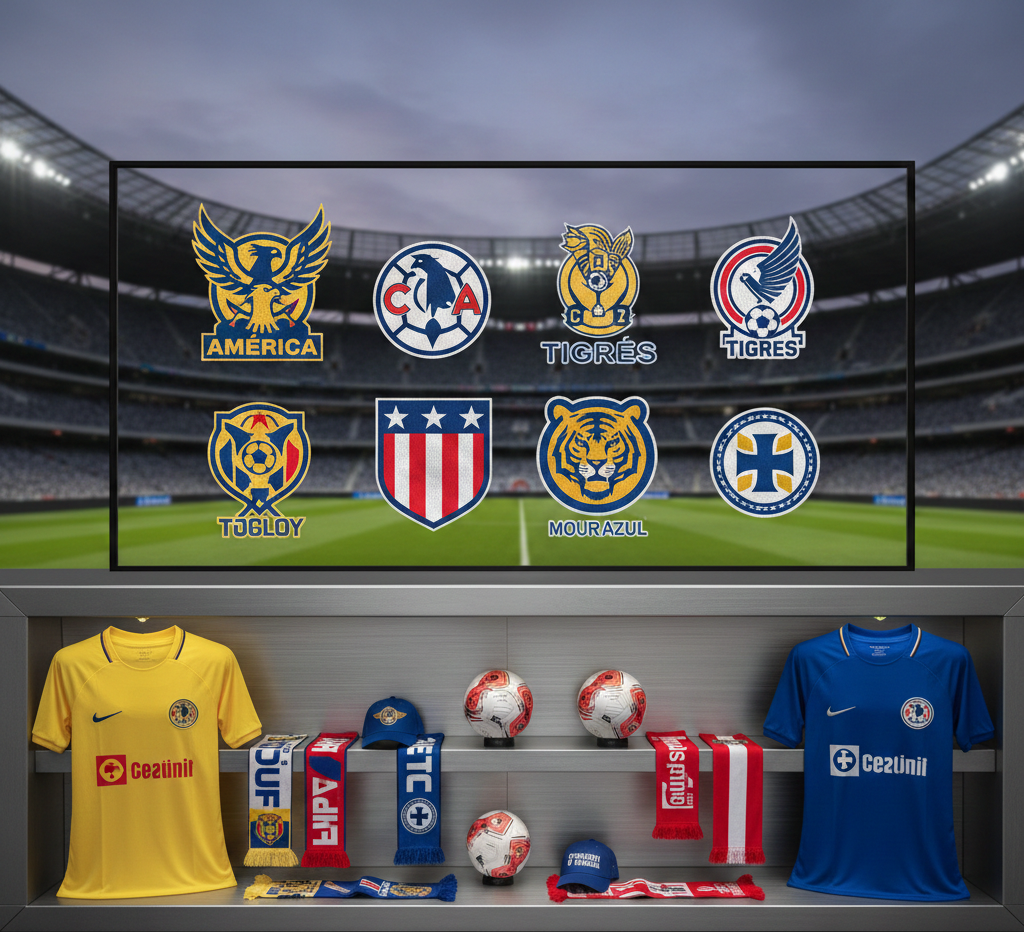
Football is more than just a sport in Mexico—it’s a cultural phenomenon. From the bustling streets of Mexico City to the coastal cities of Monterrey and Guadalajara, football clubs inspire passion, loyalty, and identity. One of the most iconic elements of a club’s identity is its logo, which embodies history, values, and regional pride. This article explores Mexico football club logos, their significance, evolution, and the stories behind the most famous designs.
What Are Football Club Logos?
A football club logo, also known as a crest or emblem, is a visual representation of a club’s identity. It’s used on jerseys, merchandise, social media, and official communications. A well-designed logo is instantly recognizable and strengthens a club’s brand presence among fans.
Key purposes of football club logos:
Represent club heritage and history
Convey values, mission, and identity
Create brand recognition locally and internationally
Serve as a unifying symbol for fans
In Mexico, football club logos are particularly important due to the deep-rooted rivalry between clubs and the regional pride that drives fan loyalty.
Elements of Mexican Football Club Logos
Mexican football club logos are rich in symbolism. They often include:
Colors
Colors in logos often represent the city, state, or region. For example, Club América uses yellow and blue, symbolizing strength and loyalty.Icons and Symbols
Many logos incorporate animals, historical figures, or objects that symbolize power, speed, or regional identity. For instance, Tigres UANL features a tiger, representing strength and agility.Text and Typography
The club’s name or initials are often prominently displayed. Typography style can reflect tradition, modernity, or local heritage.Shapes
Circular, shield-like, or triangular shapes are common. Shields often denote defense, strength, and unity, while circular logos suggest inclusivity and harmony.
History and Evolution of Mexico Football Club Logos
Early Logos
In the early 20th century, Mexican football logos were simple and often monochromatic. Clubs focused on initials or basic symbols representing their city or university affiliation.
Modern Logos
Over time, logos became more colorful, detailed, and marketable. The rise of television, merchandise, and international competitions pushed clubs to create logos that are modern, versatile, and easily recognizable worldwide.
Rebranding and Redesigns
Some clubs have redesigned logos to modernize their image or appeal to younger fans. For instance:
Club América updated its crest for clarity and international marketing
Guadalajara (Chivas) subtly modified its shield to emphasize its heritage while maintaining tradition
Iconic Mexican Football Club Logos
1. Club América
Colors: Yellow and blue
Symbolism: The map of the Americas represents international ambition; the eagle symbolizes strength
Significance: One of Mexico’s most successful and popular clubs
2. Chivas de Guadalajara
Colors: Red, white, and blue stripes
Symbolism: Goat mascot symbolizes tenacity; the shield honors the city’s heritage
Significance: Known for exclusively fielding Mexican players, reflecting national pride
3. Tigres UANL
Colors: Yellow and blue
Symbolism: Tiger represents power and speed
Significance: The logo reflects the university’s identity and regional pride
4. Club Santos Laguna
Colors: Green and white
Symbolism: Green represents growth and the region’s agricultural heritage
Significance: One of the most prominent clubs in northern Mexico
5. Cruz Azul
Colors: Blue and white
Symbolism: Cross symbolizes teamwork, solidarity, and the club’s origins in the cement industry
Significance: Known for both domestic and international success
Cultural Significance of Football Club Logos in Mexico
Football logos in Mexico are more than just graphics—they embody regional pride, social identity, and fan culture. Fans wear jerseys with logos as symbols of loyalty, create graffiti and murals, and even tattoo logos to show their dedication.
Rivalries such as Club América vs. Chivas highlight how logos can symbolize both local pride and competitive spirit. The emblem becomes a rallying point for community identity and shared experiences.
Logo Design Trends in Mexican Football
Modern Mexican football club logos often follow these trends:
Simplification for Digital Media
Simpler logos are easier to reproduce on websites, apps, and social media.Versatility Across Platforms
Logos are designed to look good on jerseys, merchandise, banners, and digital media.Incorporation of Cultural Symbols
Clubs increasingly integrate local heritage, landmarks, and regional symbols into logos.Dynamic and Modern Typography
Bold, readable fonts are used to improve international recognition and merchandising appeal.
How Logos Affect Brand Recognition and Marketing
A football club logo is central to marketing and fan engagement:
Merchandise Sales: Fans buy jerseys, scarves, and hats featuring the club logo
Sponsorships: Strong logos attract local and international sponsors
Global Recognition: Clubs with iconic logos can reach international fan bases
For example, Club América’s logo is recognized worldwide, enhancing merchandise sales and sponsorship deals.
Protecting Football Club Logos
Logos are legally protected as trademarks. Clubs must register logos to prevent unauthorized use in merchandise, media, or digital platforms. In Mexico, football logos are safeguarded under industrial property laws, ensuring the club maintains both brand value and legal rights.
The Future of Mexican Football Club Logos
The future of football logos in Mexico focuses on:
Digital Adaptation: Logos optimized for mobile apps, video games, and social media
Sustainability: Eco-friendly merchandise featuring logos
Fan Customization: Personalized merchandise and interactive designs
Clubs continue balancing tradition and modernity—preserving heritage while appealing to younger audiences and international markets.
Conclusion
Mexico football club logos are more than symbols—they are a fusion of history, culture, and identity. From traditional shields to modern designs, logos convey regional pride, inspire fan loyalty, and enhance global recognition. Whether it’s Club América’s eagle, Chivas’ goat, or Tigres’ tiger, each logo tells a unique story that connects fans to their clubs and communities.
Understanding these logos not only deepens appreciation for Mexican football culture but also highlights how design, marketing, and heritage intersect in the world of sports.
For more insights on football clubs, logos, and team designs, you can check Soccer Ball Club for further resources.