
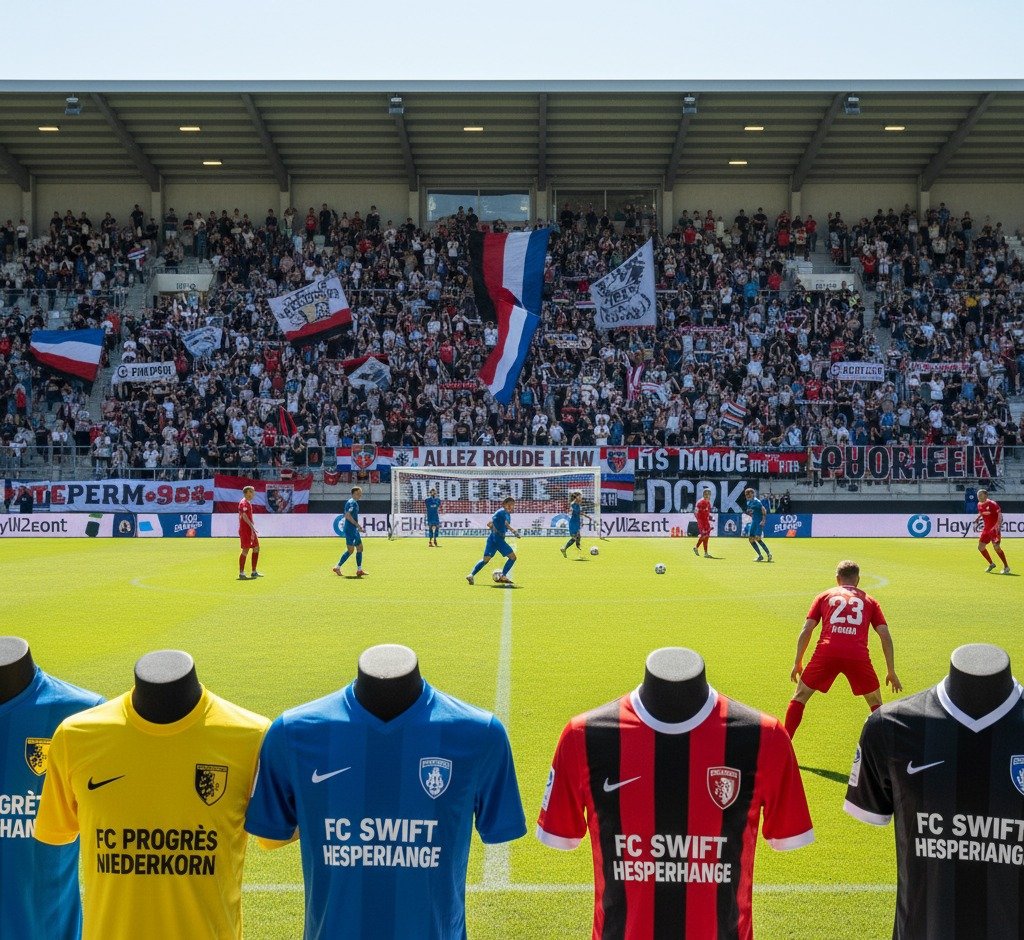
Football in Luxembourg may not have the global spotlight of leagues like the English Premier League or La Liga, but the sport has a rich history in this small European country. Despite its size, Luxembourg boasts a passionate football culture, competitive domestic leagues, and clubs that participate in European competitions. Understanding the landscape of Luxembourg football clubs is essential for fans, analysts, and aspiring players alike.
This article delves into the major football clubs in Luxembourg, their history, achievements, league structure, and the growth of football in the country. Whether you are a casual fan or a football enthusiast, this guide provides all the essential insights into Luxembourg’s football scene.
Football in Luxembourg: An Overview
Football is one of the most popular sports in Luxembourg. The country’s football governance falls under the Luxembourg Football Federation (Fédération Luxembourgeoise de Football, FLF). The FLF oversees domestic competitions, national teams, and the development of football at grassroots and professional levels.
Luxembourg’s football pyramid has multiple levels, with the National Division (BGL Ligue) being the top-tier league. Despite being a small nation, Luxembourgese clubs participate in European competitions such as the UEFA Champions League, Europa League, and the UEFA Conference League.
Top Luxembourg Football Clubs
F91 Dudelange
Arguably the most famous football club in Luxembourg, F91 Dudelange has dominated domestic football since its formation in 1991, following a merger of three local clubs. The team has set a standard for success in Luxembourg football.
Key Highlights:
Multiple-time National Division champions
Regular participants in European competitions
First Luxembourgish club to reach the group stage of a UEFA competition
Known for strong youth development and scouting
Why F91 Dudelange Stands Out:
The club’s success in European tournaments has significantly raised Luxembourg football’s profile. F91 Dudelange demonstrates how small clubs can compete internationally with smart management and player development.
Jeunesse Esch
Jeunesse Esch, founded in 1907, is one of the oldest and most storied clubs in Luxembourg. The team is based in Esch-sur-Alzette and has a rich history of domestic dominance.
Key Highlights:
Record holders for National Division titles
Numerous Luxembourg Cup victories
Legendary players who have represented Luxembourg internationally
A loyal fan base known as “Les Grenats”
Cultural Significance:
Jeunesse Esch symbolizes tradition in Luxembourg football. Their long-standing rivalry with other clubs, particularly F91 Dudelange, adds excitement to domestic competitions.
Racing FC Union Luxembourg
Racing FC Union Luxembourg was formed in 2005 following a merger of several historic clubs. Despite its relatively recent formation, the club has made a notable impact on Luxembourg football.
Key Highlights:
Competes regularly in the National Division
Focus on youth academy development
Participates in domestic cups and European qualifiers
Modern Approach:
Racing FC combines the heritage of Luxembourg football with a forward-looking approach, emphasizing infrastructure and player development.
Union Titus Pétange
Based in the town of Pétange, Union Titus Pétange has steadily grown in prominence in Luxembourg football circles.
Key Highlights:
National Division participation
Competitive performances in domestic cup competitions
Focus on local talent development
Significance:
Union Titus Pétange represents smaller-town football clubs in Luxembourg, showing that even clubs outside major cities can achieve success with dedication.
Swift Hesperange
Swift Hesperange is a club known for strong performances in recent seasons and a focus on nurturing young talent.
Key Highlights:
Recent rise in National Division standings
Strong community engagement
Investments in youth academy and facilities
Why Watch Them:
Swift Hesperange’s emergence highlights the increasing competitiveness of Luxembourg’s football leagues.
FC Differdange 03
Formed in 2003 from a merger, FC Differdange 03 is another prominent club with a reputation for stability and competitiveness.
Key Highlights:
Regular National Division contenders
Experience in European qualifiers
Modern training facilities
Club Philosophy:
FC Differdange 03 focuses on combining domestic performance with participation in European football, making it a model club for mid-tier teams.
Other Notable Clubs
FC Progrès Niederkorn: Famous for causing major upsets in European qualifiers.
CS Fola Esch: One of the oldest clubs in Luxembourg, with historic significance.
US Hostert: A smaller club focused on local talent development.
These clubs contribute to the richness and diversity of Luxembourg football, ensuring a competitive league structure.
Luxembourg Football League Structure
Luxembourg’s football system is hierarchical:
National Division (BGL Ligue): Top-tier professional league, 16 teams compete for the championship.
Division of Honour: Second-tier league with promotion and relegation.
1st Division and Below: Semi-professional and amateur leagues, serving as feeder leagues to higher tiers.
Key Points:
Promotion and relegation ensure competitiveness.
The league is growing in professionalism with clubs investing in infrastructure and talent.
Domestic cup competitions, like the Luxembourg Cup, provide opportunities for smaller clubs to make an impact.
Luxembourg Clubs in European Competitions
While Luxembourg clubs rarely make headlines in major European tournaments, they have achieved historic milestones:
F91 Dudelange: First Luxembourgish team to reach the UEFA Europa League group stage.
FC Progrès Niederkorn: Famous for defeating Rangers FC in a historic upset.
Other clubs: Regularly participate in qualifying rounds, gaining exposure and experience.
Impact:
Participation in European competitions elevates club standards, improves player development, and increases international recognition for Luxembourg football.
Youth Development and Academies
Luxembourgese clubs increasingly invest in youth programs:
F91 Dudelange and Jeunesse Esch lead in academy quality.
Many clubs collaborate with international academies to enhance training.
Focus is on technical skills, tactical awareness, and physical conditioning.
Significance:
Strong youth development ensures that Luxembourg can produce talented players for domestic leagues and the national team.
The Role of Fans and Culture
Football fans in Luxembourg are passionate, even if the stadiums are smaller compared to larger European countries. Local rivalries, particularly F91 Dudelange vs. Jeunesse Esch, generate excitement and community engagement. Clubs often organize events, fan clubs, and youth programs to foster local support.
Challenges and Opportunities
Challenges:
Small population limits the talent pool.
Limited financial resources compared to major European leagues.
Less media coverage and international attention.
Opportunities:
Participation in European competitions raises profile.
Youth development can nurture future stars.
Collaboration with foreign clubs can enhance training, scouting, and facilities.
Conclusion
Luxembourg football clubs may be lesser-known globally, but they are vital to the country’s sporting identity. Clubs like F91 Dudelange, Jeunesse Esch, and Racing FC Union Luxembourg showcase that even small nations can achieve competitive success. With growing investment in infrastructure, youth development, and European exposure, Luxembourg football is on a path of steady growth.
For fans, players, and analysts, keeping an eye on Luxembourg’s football scene offers insights into how dedication, smart management, and community support can shape a thriving football ecosystem—even in a small country.