
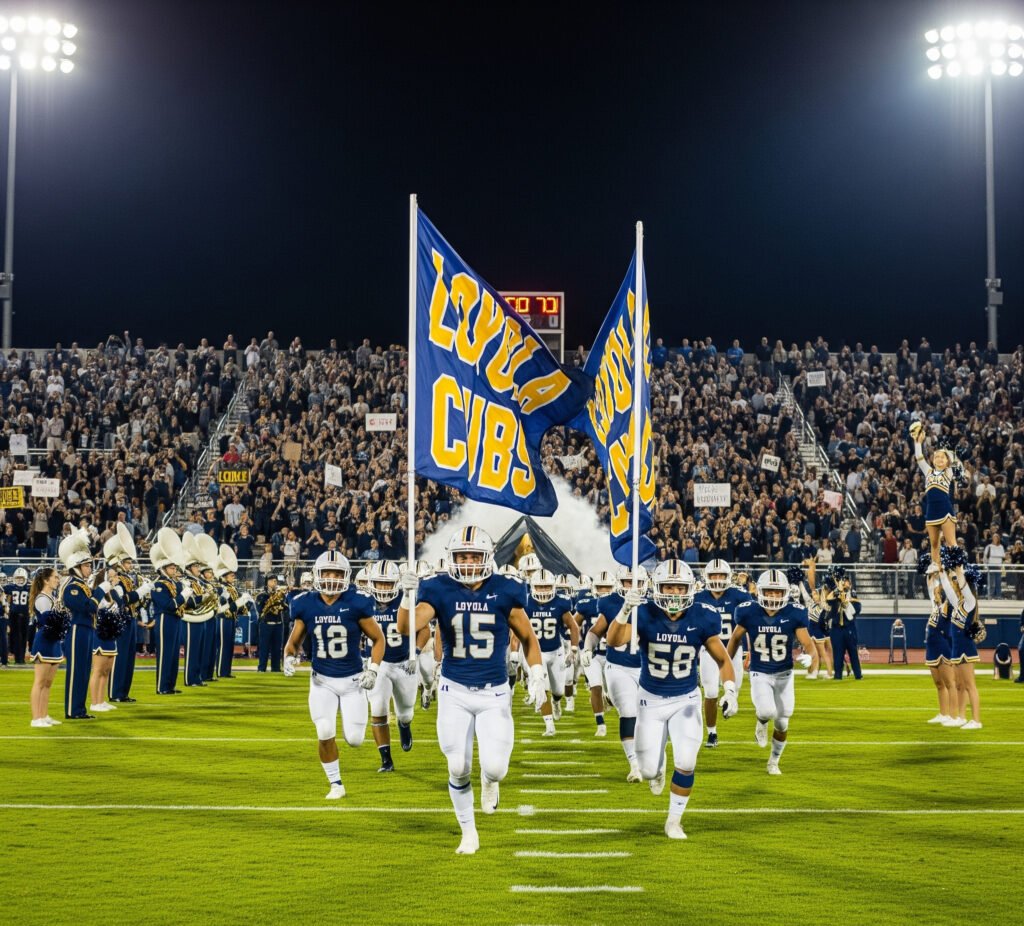
High school and college football have long been cornerstones of American sports culture, and among the institutions that stand out for their passion, discipline, and tradition is Loyola Football. Whether you’re talking about the powerhouse programs of Loyola High School in Los Angeles, Loyola Academy in Illinois, or the competitive teams at Loyola University, the name “Loyola” in football carries weight, prestige, and a commitment to excellence both on and off the field.
In this article, we’ll dive deep into the history, values, achievements, coaching philosophies, community involvement, and future of Loyola Football, giving fans, parents, and students an in-depth look at why the program continues to inspire and dominate.
The History of Loyola Football
The roots of Loyola Football go back more than a century. The various Loyola institutions across the U.S. are Jesuit schools, emphasizing academics, discipline, and athletics. Loyola High School in Los Angeles, for instance, has been fielding football teams since the late 1800s, making it one of the oldest high school football programs west of the Mississippi.
Similarly, Loyola Academy in Wilmette, Illinois, has carved out its reputation as one of the most dominant programs in the Midwest. Their football culture is built on a tradition of developing well-rounded student-athletes who thrive both in the classroom and on the field.
This long history contributes to a sense of pride among alumni, current players, and fans who see the program as more than just a game—it’s a legacy.
Loyola Football’s Core Values
One of the defining aspects of Loyola Football is its Jesuit identity. Rooted in the principles of cura personalis (care for the whole person), Loyola Football programs emphasize discipline, teamwork, and character building.
Key Values:
Academic Excellence: Athletes are expected to perform well in the classroom.
Discipline: Rigorous practice schedules and accountability on and off the field.
Teamwork: Success is measured by unity and shared goals.
Leadership: Players are encouraged to be leaders within their schools and communities.
Service: Community involvement and giving back are integral to Loyola’s mission.
These values set Loyola apart from purely athletic institutions, creating well-balanced individuals.
Achievements on the Field
The success of Loyola Football can be seen in its championship history and impressive win-loss records.
Loyola Academy (Illinois): Multiple state championships, including recent titles in Illinois’ highest football division. The Ramblers are often ranked among the top high school teams in the Midwest.
Loyola High School (Los Angeles): A strong contender in California’s competitive football scene, producing NFL and Division I college players.
Loyola University (New Orleans and Chicago in the past): While football programs have shifted in recent decades, Loyola University athletics carry on the Jesuit tradition in other sports, but their football heritage still inspires pride.
These programs consistently produce athletes who go on to play at elite colleges and, in some cases, professional leagues.
Coaching Philosophy
Behind every great football program is a philosophy that defines its culture. Loyola Football coaches focus on molding young men not just as athletes but as people.
Fundamentals First: Emphasis on basics like blocking, tackling, and discipline.
Character Development: Coaches stress honesty, perseverance, and humility.
Adaptability: Modern playbooks incorporate both traditional ground-and-pound football and cutting-edge passing schemes.
Mentorship: Coaches are role models, guiding players toward long-term success beyond football.
This approach ensures players are prepared for challenges in life, not just in athletics.
The Game Day Experience
Game day for Loyola Football is a spectacle that blends athleticism with school pride. From the Friday night lights in Illinois to Saturday matchups in Los Angeles, the atmosphere is electrifying.
Student Section Energy: Pep rallies, chants, and school colors fill the stands.
Marching Bands and Cheerleaders: These elements create a vibrant community spirit.
Family and Alumni Support: Generations of families return to watch and support the program.
Rivalries: Games against traditional rivals are packed with intensity, often drawing thousands of fans.
The unique mix of faith, tradition, and football makes attending a Loyola game unforgettable.
Community and Alumni Involvement
Another cornerstone of Loyola Football is its community engagement. Programs at Loyola schools emphasize giving back through service projects, charity fundraisers, and alumni mentorship.
Many former players return as donors, coaches, or mentors, ensuring the football tradition continues for future generations. The alumni network also provides opportunities for student-athletes to succeed academically and professionally after graduation.
Loyola Football and Player Development
Loyola doesn’t just win games—it builds careers. The program has a long track record of sending athletes to Division I universities, with some making it to the NFL.
Strength and Conditioning: Modern training facilities ensure players are physically prepared.
Skill Development: Quarterback camps, lineman training, and receiver clinics help players refine their abilities.
College Prep: Guidance counselors and coaches work together to prepare athletes for the next level, both athletically and academically.
This holistic approach makes Loyola Football an attractive choice for families who want their children to excel in sports without sacrificing education.
Rivalries and Memorable Matches
Every great football program thrives on rivalries, and Loyola is no exception.
Loyola Academy vs. Mount Carmel (Chicago): One of Illinois’ fiercest rivalries, drawing huge crowds and statewide attention.
Loyola High (Los Angeles) vs. Cathedral High or Crespi Carmelite: Classic Los Angeles rivalries filled with history and passion.
These games are more than just contests; they’re cultural events that define school spirit.
The Future of Loyola Football
With state-of-the-art facilities, a strong coaching staff, and an ever-growing pool of talent, the future of Loyola Football looks brighter than ever. Continued investment in both athletics and academics ensures that Loyola programs remain competitive while staying true to their Jesuit mission.
Recruitment pipelines, advanced analytics, and evolving strategies will keep Loyola teams at the forefront of high school football for decades to come.
Conclusion
Loyola Football is more than just a sports program—it’s a symbol of tradition, community, and excellence. With deep historical roots, a commitment to values, and a proven record of success, Loyola continues to inspire athletes, students, and fans alike.
Whether you’re a current student, alumni, or football enthusiast, supporting Loyola Football means being part of something bigger than the game itself.
FAQs About Loyola Football
Q1: Which Loyola has the most successful football program?
Loyola Academy in Illinois has recently been one of the most dominant high school football programs, consistently winning state titles.
Q2: Does Loyola High School in Los Angeles still have a football team?
Yes, Loyola High School in LA continues to field a competitive football program with a long history of producing Division I players.
Q3: What makes Loyola Football unique compared to other programs?
The combination of Jesuit values, academic excellence, and athletic success makes Loyola stand out.
Q4: Has Loyola Football produced NFL players?
Yes, several Loyola athletes have gone on to play college football and some have made it to the NFL.
Q5: How can I support Loyola Football?
You can attend games, donate to athletic programs, or engage with the community through alumni and parent associations.