
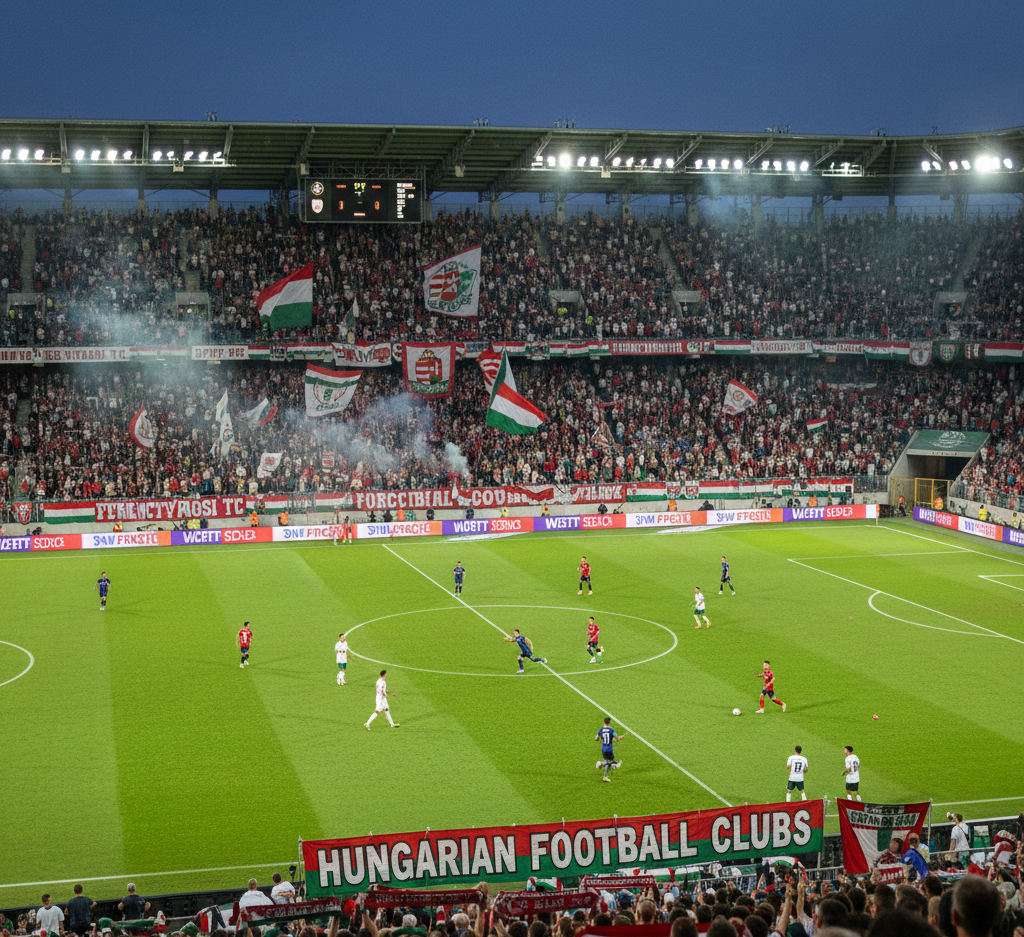
Hungary’s football legacy is among Europe’s most fascinating — rich in history, intense rivalries, passionate fans, and clubs that shaped football culture both locally and internationally. From Budapest’s legendary giants to ambitious provincial teams rising through the ranks, Hungarian football clubs have left a lasting imprint on the sport. This guide explores the history, major teams, league structure, rivalries, fan culture, and what makes Hungarian football unique.
Introduction to Hungarian Football
Football arrived in Hungary in the late 19th century and quickly became the nation’s most popular sport. Organized competitions began in the early 1900s, leading to the formation of the Nemzeti Bajnokság I (NB I), Hungary’s top-tier league. Over more than a century, Hungarian clubs have built storied traditions. Some have contributed heavily to international football tactics, while others continue to challenge for domestic glory and European recognition.
Structure of Hungarian Club Football
Hungarian football operates in a tiered league system with promotion and relegation:
Nemzeti Bajnokság I (NB I): Top division featuring 12 clubs.
Nemzeti Bajnokság II (NB II): Second division with competitive clubs aspiring for promotion.
Nemzeti Bajnokság III (NB III): Regional leagues forming the third tier.
This structure ensures competitive balance and provides smaller clubs the opportunity to rise to the top, fueling exciting seasonal campaigns and local rivalries.
The Big Five of Hungarian Football
Several clubs dominate Hungarian football history, with five institutions widely regarded as the pillars of the sport:
Ferencvárosi TC
Újpest FC
MTK Budapest FC
Budapest Honvéd FC
Vasas SC
These clubs have won most of the domestic league titles and formed the fiercest rivalries, contributing significantly to Hungary’s football identity.
Ferencvárosi TC (FTC) — The Green Eagles
Ferencvárosi Torna Club, founded in 1899 in Budapest, is Hungary’s most successful club. Known as Fradi, the team has an impressive record:
36 league titles (most in Hungary)
24 Magyar Kupa titles
European success: Winners of the 1964–65 Inter-Cities Fairs Cup
Ferencváros regularly competes in the UEFA Champions League and Europa League, bringing Hungarian football to international attention. The club’s fan base is passionate, known for creating intense atmospheres during home matches at the Groupama Aréna, especially during derbies against Újpest FC.
Újpest FC — The Lilac Fury
Founded in 1885, Újpest FC is one of Hungary’s oldest and most respected clubs. The team has a fierce rivalry with Ferencváros, and their clashes are among the most intense in Hungarian football. Key achievements include:
Multiple league championships
Several Magyar Kupa victories
Strong performances in European competitions
Újpest is famous for its fan culture, characterized by passionate supporters who make the Szusza Ferenc Stadion an intimidating venue for visiting teams. The club is a symbol of tradition and resilience in Hungarian football.
MTK Budapest FC — The Historic Innovator
MTK Budapest FC, founded in 1888, has played a pivotal role in Hungarian football development. Known for nurturing talent, MTK’s academy has produced many Hungarian internationals. The club has:
Numerous league titles
Significant cup victories
Historical influence in spreading modern football tactics
MTK is also known for pioneering the professionalization of Hungarian football, blending sporting innovation with strong community involvement.
Budapest Honvéd FC — The Army Club
Budapest Honvéd FC, originally the Hungarian Army club, became a powerhouse in the mid-20th century. It gained international fame due to legendary players like Ferenc Puskás. Honvéd has achieved:
Multiple league championships
Domestic cup victories
Recognition as a breeding ground for talent during Hungary’s golden football era
Honvéd’s legacy continues today, with a focus on youth development and sustaining competitive performance in NB I.
Vasas SC — The Red-Blue Giants
Vasas SC is another Budapest-based club with deep roots in Hungarian football. Known for its historic red-and-blue colors, Vasas has:
Several league titles
Strong cup performances
A reputation for nurturing skilled players
Although not as dominant today, Vasas SC remains an important figure in Hungary’s football landscape, celebrated for its traditions and loyal fan base.
Notable Provincial Clubs
While Budapest dominates Hungarian football history, several provincial clubs have risen in prominence:
Paksi FC: A modern club that has stabilized in NB I and occasionally challenges for European spots.
Debreceni VSC (DVSC): Multiple-time league champions known for passionate support and youth development.
Videoton FC (Fehérvár FC): A strong team from Székesfehérvár, regularly competing in European tournaments.
These clubs illustrate the nationwide growth of football in Hungary beyond the capital.
Rivalries That Define Hungarian Football
Rivalries are the lifeblood of Hungarian football. The most notable include:
Ferencváros vs. Újpest: The Eternal Derby, marked by decades of intense competition.
MTK Budapest vs. Ferencváros: A historic city rivalry rooted in sporting and cultural contexts.
Debreceni VSC vs. Videoton FC: Modern clashes reflecting provincial pride.
These matches are not only about points but also about local pride, fan identity, and football tradition.
Youth Development and Academies
Hungarian clubs have invested heavily in youth academies to nurture the next generation of talent. Key highlights:
Ferencváros Academy: Produces technically skilled players for domestic and international markets.
MTK Budapest Youth Programs: Famous for tactical training and player development.
Debreceni VSC Academy: Emphasizes physical conditioning and competitive experience from a young age.
The focus on youth development ensures Hungary remains competitive on the European stage and continues its legacy of producing world-class players.
Fan Culture and Stadiums
Hungarian football fans are known for their passion, loyalty, and vibrant matchday atmospheres. Iconic stadiums include:
Groupama Aréna (Ferencváros): Modern, with top-tier facilities.
Szusza Ferenc Stadion (Újpest): Historic and atmospheric.
Nagyerdei Stadion (Debreceni VSC): Combines history with modern amenities.
Fans play a crucial role in Hungarian football, with organized supporter groups, chants, and local traditions adding life to every match.
Hungarian Clubs in European Competitions
Hungarian football has a proud European history, although contemporary clubs face stiff competition. Key achievements:
Ferencváros: Regular Champions League and Europa League appearances.
Honvéd: Historic European campaigns in the 1950s and 1960s.
Videoton: Reached UEFA Cup finals, showing provincial clubs can compete internationally.
Participation in Europe boosts club revenues, raises national prestige, and inspires young Hungarian players.
Challenges Facing Hungarian Clubs
Despite rich history, Hungarian football faces several challenges:
Financial constraints compared to Western European leagues.
Limited media coverage beyond Hungary.
Balancing youth development with immediate competitive success.
Retaining top talent, as many promising players move abroad.
These challenges require strategic planning, investment, and innovation to maintain Hungary’s football prominence.
The Future of Hungarian Football Clubs
Hungarian football is evolving. Clubs are modernizing facilities, investing in analytics, and expanding commercial revenue streams. Youth academies are improving, ensuring a steady talent pipeline. International partnerships, sponsorships, and European exposure are helping Hungarian clubs regain competitiveness.
The passion of fans, historic legacies, and emerging provincial clubs all indicate a vibrant future for Hungarian football.
Conclusion
Hungarian football clubs are more than just teams; they are symbols of national pride, history, and sporting excellence. From the green fields of Budapest to provincial arenas, clubs like Ferencváros, Újpest, MTK, Honvéd, and Vasas carry traditions that span over a century. The combination of rich history, passionate fan culture, competitive leagues, and youth development ensures that Hungarian football will continue to thrive, inspiring new generations of players and supporters alike.
Whether you’re a casual fan, a football historian, or someone exploring European football, Hungarian clubs offer a unique window into the heart of the game — blending tradition, rivalry, talent, and modern ambition in one captivating footballing nation.