
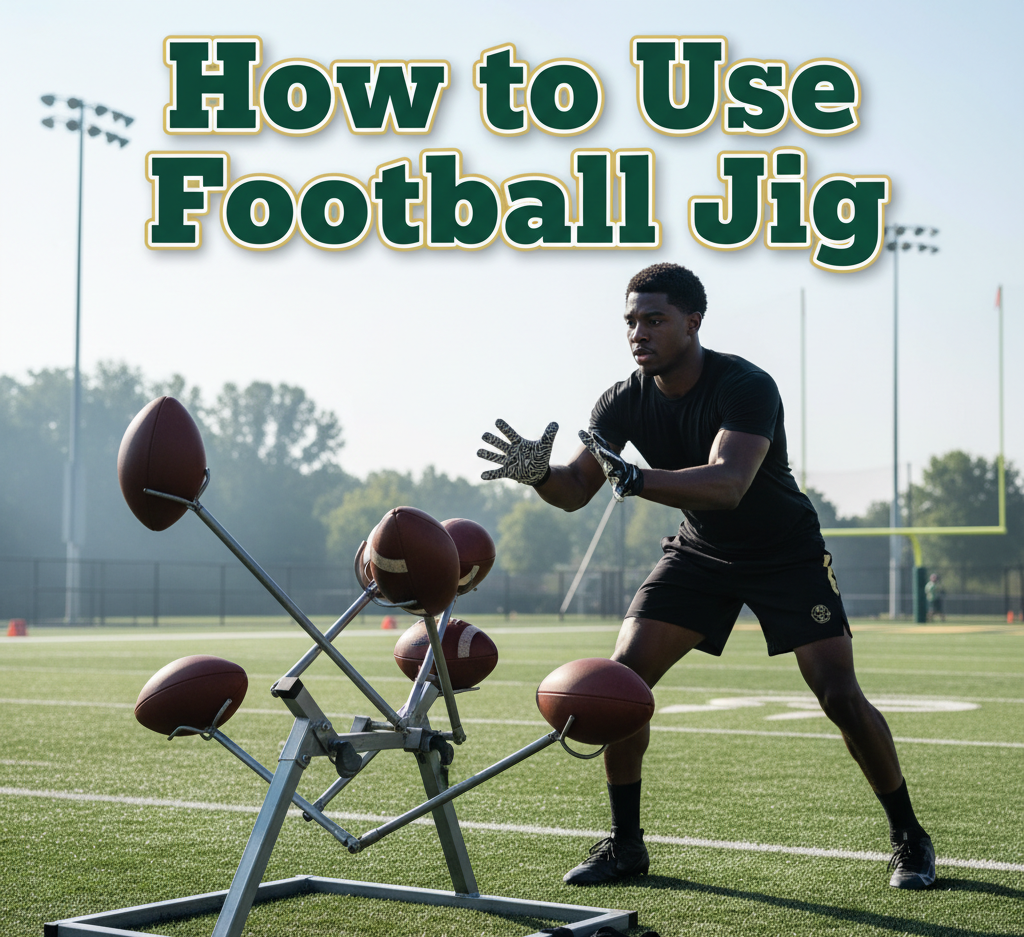
If you are looking to improve accuracy, consistency, and performance in football training, learning how to use a football jig can make a significant difference. A football jig is a training tool designed to help players develop better passing, kicking, ball control, snapping, or positioning skills depending on the type of jig being used.
Whether you are a coach, player, or beginner just getting started, this complete guide will explain what a football jig is, why it is useful, and how to use it properly for maximum results.
What Is a Football Jig?
A football jig is a practice device used to stabilize or position a football during training drills. It can serve different purposes such as:
Holding the football upright for kicking practice
Supporting accurate snapping drills
Helping quarterbacks practice passing mechanics
Improving ball placement during special teams training
Football jigs are commonly used in high school, college, and professional training environments. They allow athletes to repeat movements consistently without needing a partner to hold the ball.
Why Use a Football Jig?
Training with a football jig provides several advantages:
1. Consistency in Practice
The jig keeps the ball in the same position every time. This consistency helps players build muscle memory.
2. Improved Accuracy
Because the ball placement does not change, players can focus on improving their technique and targeting.
3. Solo Practice
A football jig allows players to train independently without needing another person to hold or position the ball.
4. Increased Repetitions
More repetitions mean faster skill development. A jig reduces setup time and increases training efficiency.
Types of Football Jigs
Before learning how to use football jig equipment properly, it is important to understand the different types available.
Kicking Jig
Used by kickers for field goals and extra points. It holds the ball upright at the correct angle.
Snapping Jig
Used by centers to practice snapping technique accurately and repeatedly.
Quarterback Passing Jig
Designed to simulate defensive arms or targets for passing drills.
Holder Jig
Replaces a human holder for field goal practice.
Each type of jig serves a specific training purpose.
How to Use Football Jig for Kicking Practice
Kicking is one of the most common uses of a football jig. Follow these steps for proper usage:
Step 1: Position the Jig on Stable Ground
Place the jig on flat, firm ground such as turf or grass. Stability is essential for accurate kicks.
Step 2: Set the Ball Angle
Most kicking jigs allow angle adjustment. Position the football slightly tilted forward, which is ideal for field goal attempts.
Step 3: Align Your Approach
Stand a few steps back and slightly to the side of the ball. Mark your starting position to ensure consistent approach steps.
Step 4: Focus on Contact Point
Aim to strike the ball just below the center for lift and power.
Step 5: Repeat for Muscle Memory
Perform multiple repetitions to build rhythm and confidence.
Using a football jig for kicking helps eliminate inconsistency caused by a human holder.
How to Use Football Jig for Snapping Drills
Centers can benefit greatly from snapping jigs.
Step 1: Secure the Jig Firmly
Place the jig where a quarterback would normally position their hands.
Step 2: Get into Proper Stance
Feet shoulder-width apart, knees bent, and balanced posture.
Step 3: Grip the Ball Properly
Use correct snapping grip technique with dominant hand control.
Step 4: Snap with Speed and Accuracy
Focus on clean rotation and direct aim.
Step 5: Evaluate and Adjust
Check ball placement after each snap and correct mistakes.
Snapping jigs allow hundreds of repetitions in one session, which improves consistency dramatically.
How to Use Football Jig for Quarterback Training
Quarterbacks can use jigs designed to simulate defensive pressure or improve passing precision.
Step 1: Set Target Areas
Place receiving targets behind or between jig arms.
Step 2: Practice Throwing Over Obstacles
Work on throwing arcs and release timing.
Step 3: Improve Footwork
Use cones along with the jig for mobility drills.
Step 4: Increase Difficulty Gradually
Move targets farther away to build arm strength.
Using a football jig for quarterback drills enhances real-game simulation.
Common Mistakes When Using a Football Jig
Even though a football jig is simple equipment, mistakes can reduce its effectiveness.
Incorrect Ball Angle
Wrong positioning affects kicking accuracy.
Poor Ground Stability
An unstable surface leads to inconsistent results.
Lack of Warm-Up
Always stretch before intense practice to prevent injury.
Overtraining
Repetitions are important, but rest is equally necessary.
Safety Tips When Using Football Jig Equipment
Safety should always be a priority during football training.
Always inspect the jig before use
Ensure it is stable and secure
Avoid using damaged equipment
Wear proper football footwear
Practice in open areas free of obstacles
Proper safety measures prevent accidents and injuries.
Benefits of Using Football Jig Regularly
Consistent training with a football jig provides long-term benefits:
Improved kicking range
Better snapping accuracy
Enhanced throwing precision
Greater confidence under pressure
Stronger muscle memory
Athletes who practice regularly with structured drills see noticeable improvement over time.
Who Should Use a Football Jig?
Football jigs are suitable for:
Youth football players
High school athletes
College players
Special teams kickers
Quarterbacks and centers
Private football trainers
It is a versatile tool that fits almost any training level.
Training Routine Example Using Football Jig
Here is a simple 30-minute practice routine:
Warm-Up (5 Minutes)
Light jogging and stretching.
Skill Focus (15 Minutes)
20 kicking repetitions
or30 snapping drills
or25 targeted throws
Pressure Simulation (5 Minutes)
Practice under time constraints.
Review and Cool Down (5 Minutes)
Stretch and evaluate performance.
This structured approach maximizes productivity.
Maintaining Your Football Jig
To ensure long-term use:
Clean after outdoor practice
Store in dry area
Tighten screws or adjustable parts
Inspect regularly for damage
Proper maintenance extends equipment life.
Why Football Training Tools Matter
Modern football training has evolved. Equipment like football jigs:
Speeds up development
Improves discipline
Allows solo practice
Builds professional-level technique
Serious athletes understand the importance of structured training tools.
Final Thoughts
Learning how to use football jig equipment properly can significantly improve your football performance. Whether you are practicing kicks, snaps, or throws, the key is consistency and repetition.
A football jig removes variables that can affect practice quality and allows players to focus entirely on skill development. With proper technique, safety awareness, and structured drills, this simple tool can become one of the most powerful additions to your training routine.
If you practice regularly and use the jig correctly, you will notice improvements in accuracy, control, and confidence on the field.