
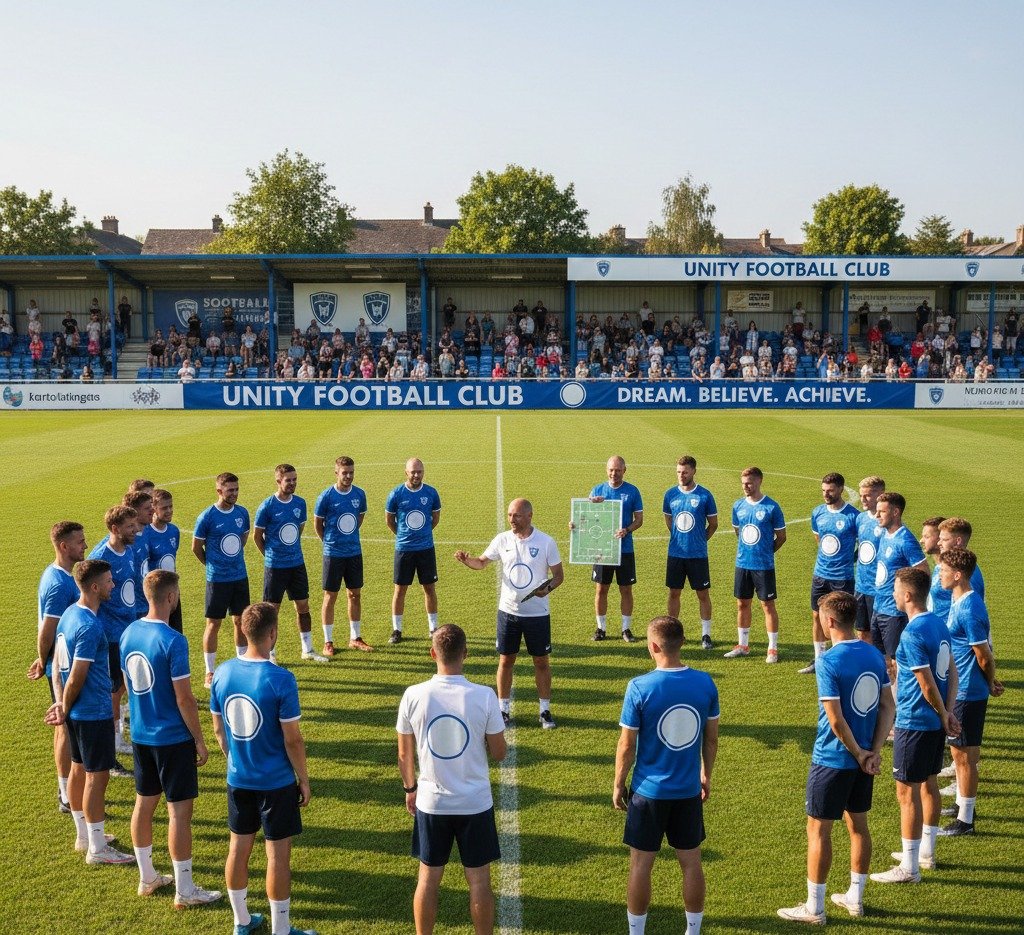
Starting a football club is an exciting journey for anyone passionate about the sport — whether you’re a fan, coach, entrepreneur, or community leader. From drawing your first plans to fielding your first competitive team, it takes vision, strategy, and dedication. In this comprehensive guide, we’ll walk you through everything you need to know about starting a football club that’s sustainable, competitive, and built to last.
This article covers:
Why people start football clubs
Planning and legal steps
Funding and finance
Recruiting players and staff
Facilities and equipment
Registration and league entry
Marketing, branding, and community engagement
Common challenges and how to overcome them
Let’s kick off.
Why Start a Football Club?
Before diving into logistics, it’s important to understand your “why.” People start football clubs for many reasons:
Community Impact
Football clubs unite people, create social spaces, and offer youth opportunities to stay active and engaged.
Develop Local Talent
Many clubs begin to provide structured training and pathways for aspiring athletes.
Business Ventures
Football clubs can become sustainable businesses through sponsorship, matchday revenue, merchandise, and media engagement.
Passion for the Game
For many founders, starting a club is simply about doing what they love — creating a team and culture around football.
Your purpose will shape decisions on scale, structure, funding, and long‑term vision.
Define Your Vision and Mission
A clear vision and mission statement form the foundation of your club.
Vision: Where do you see the club in 5–10 years?
Mission: What values will guide your club’s growth and operations?
Example:
Vision: “To become the leading grassroots football club in our region, known for integrity, community engagement, and player development.”
Mission: “To provide structured football opportunities for youth and adults, develop talent, and foster a love for the sport.”
Write these down — they will help with branding, funding proposals, and recruiting support.
Choose a Club Structure
Your club must have an official structure to operate legally.
Common Structures
Non‑profit organization
Private company
Partnership or cooperative
Community interest club
The choice affects:
Tax status
Ownership
Funding eligibility
Governance
Most grassroots clubs start as non‑profit or community organizations to attract volunteers and grants. However, competitive semi‑professional clubs often register as companies.
Register Your Club Officially
Official registration gives your club credibility and access to leagues, funding, and facilities.
Registration Steps
Choose a legal name
Ensure uniqueness
Reflect identity (e.g., location, mascot, values)
Register with government authority
Business registry or charity commission
Credentials vary by country.
Open a bank account
Dedicated club account for transparency
Helps with sponsorships and ticketing
Register with your national football association
In most countries, clubs must be affiliated with the national governing body (e.g., FA, federation) to join leagues.
Create a Leadership Team
Football clubs don’t run themselves — you need a committed leadership team to manage operations.
Key Roles
Club President/Chairperson
General Manager or Director of Football
Treasurer / Financial Officer
Coach or Technical Director
Marketing and Communications Lead
Volunteers and Support Staff
Smaller clubs often start with a core committee responsible for multiple areas. As the club grows, roles can become more specialized.
Develop a Business Plan
A business plan makes your club’s goals tangible and helps attract investors, sponsors, and partners.
Your business plan should include:
Club mission and vision
Organizational structure
Market analysis (local football landscape)
Revenue streams and funding strategy
Budget and expense projections
Marketing and community engagement plans
Risk assessment
This document can also support applications for grants, loans, and sponsorships.
Secure Funding and Budgeting
Funding is one of the biggest challenges for new clubs. Reliable finances keep the club running smoothly and support growth.
Common Funding Sources
Registration and membership fees
Sponsorship deals
Fundraising campaigns
Grants (government or sports organizations)
Merchandise sales
Matchday ticket sales
Donations and community support
Build a budget that includes essential costs like:
Pitch rental
Coaching fees
Kit and equipment
League registration fees
Insurance
Administrative expenses
Keep conservative projections to ensure sustainability.
Find Facilities and Equipment
Your club needs appropriate facilities for training and matches.
Facilities to Secure
Training grounds
Home pitch or stadium
Changing rooms
Storage for equipment
Partnering with local schools, councils, or sports centers can help access facilities at reduced costs.
Essential Equipment
Football kits
Training cones and markers
Balls, goals, nets
First aid kits
Whistles and stopwatches
Technical and coaching resources
Quality gear contributes to player safety and performance.
Recruit Players and Staff
Your football club needs players and staff to operate effectively.
Recruiting Players
Open trials
Social media calls
Local leagues and community outreach
Make clear the levels (youth, adult, recreational, competitive) you want to participate in.
Recruiting Staff
Qualified coaches (with certifications where required)
Physiotherapists or fitness trainers (optional at early stages)
Volunteer assistants for logistics and matchday operations
A strong culture and clear expectations help attract committed players and staff.
Register in League Competition
Once your club is formally organized and funded, the next step is joining a league.
League Options
Local amateur leagues
Regional semi‑professional divisions
National league systems (depending on structure and ambition)
Requirements may include:
Proof of club registration
Home ground availability
Insurance certificates
Minimum player registration
League involvement gives your club competitive fixtures and helps with visibility and growth.
Create Branding and Identity
A strong brand helps your club stand out and connect with supporters.
Brand Elements
Name and nickname
Colors and logo
Kit design
Club motto or slogan
Website and social media presence
Branding builds loyalty, increases merchandise potential, and gives your club a professional presence.
Launch Marketing & Community Engagement Plans
Marketing attracts fans, sponsors, and media attention.
Effective Strategies
Social media (Instagram, Facebook, TikTok, Twitter)
Local press and community events
Matchday newsletters
Player profiles and behind‑the‑scenes content
Youth outreach programs
Community engagement increases awareness and fosters local pride and support.
Matchday Operations
Running your first match day involves detailed planning.
Matchday checklist:
Ticketing and gate management
Staff and volunteer coordination
Match officials and league compliance
First aid and safety procedures
Refreshments and concessions
Crowd control and signage
Well‑organized match days enhance fan experience and build credibility.
Use Technology to Your Advantage
Modern clubs leverage technology in multiple ways:
Tools to Consider
Club management software
Player performance tracking apps
Online ticketing platforms
Social media management tools
Live streaming or match highlights
Technology makes operations more efficient and connects your club with a broader audience.
Financial Monitoring and Growth Planning
As your club grows, regular financial tracking is essential.
Best Practices
Monthly budget reviews
Transparent reporting to leadership
Forecasting future expenses
Revisiting revenue strategies
Financial discipline ensures sustainability and prepares the club for expansion.
Challenges You May Encounter (And How to Overcome Them)
Starting a football club is rewarding — but not without challenges.
Limited Funding
Solution: Diversify revenue streams, seek sponsors, and run fundraisers.
Player Retention
Solution: Build strong culture, provide clear progression pathways, and involve players in decision‑making.
Facility Access
Solution: Partner with local authorities or schools, and negotiate shared usage.
Volunteer Burnout
Solution: Share responsibilities, recruit new volunteers, and celebrate contributions.
Success Stories: Inspiration for New Clubs
Many successful football clubs began with humble roots — started by passionate individuals with big dreams. From grassroots community teams to professional organizations, these success stories emphasize that planning, consistency, and community support are the keys to long‑term success.
Final Thoughts
Starting a football club is one of the most fulfilling projects a sports enthusiast can undertake. It blends athletic passion with leadership, community building, and strategic thinking. From defining your vision to registering in competitive leagues, every step moves you closer to creating a space where players and fans can experience the joy of football.
Whether you’re building a neighborhood club or aiming for professional levels, this guide gives you the clarity, structure, and confidence to begin — and succeed.