
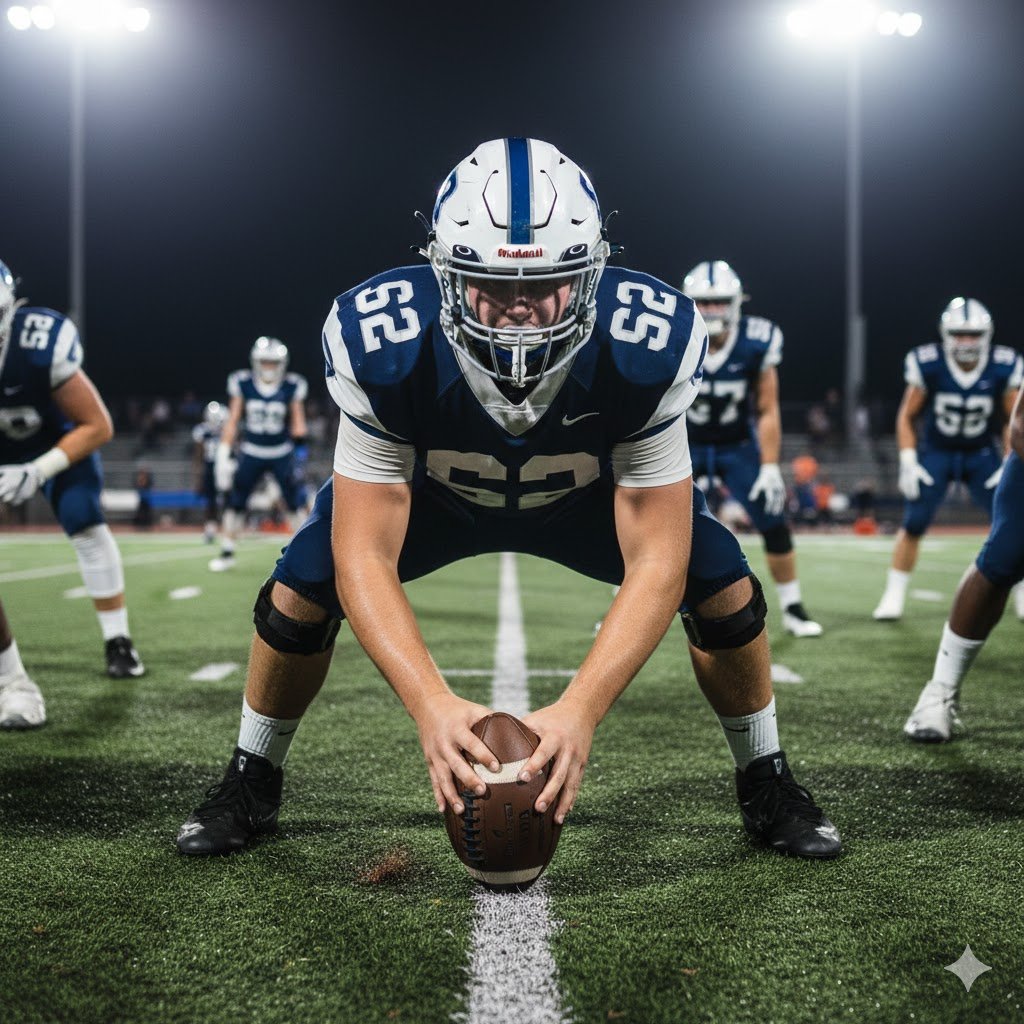
In American football, every position on the field plays a vital role — but the center is one of the most important. The game literally starts with this player. Knowing how to play center in football can make you the foundation of your team’s success.
The center isn’t just the one who snaps the ball; they are a leader on the offensive line, responsible for reading defenses, calling blocking assignments, and protecting the quarterback.
In this complete guide, we’ll cover everything you need to know about playing center in football — from stance and snapping techniques to blocking, communication, and mindset.
What Does a Center Do in Football?
The center is the offensive lineman positioned in the middle of the offensive line. Their main job is to snap the football to the quarterback to start each play. But their responsibilities don’t stop there.
Key Responsibilities of a Center:
Snapping the Ball: Delivering the football accurately to the quarterback or holder.
Blocking: Protecting the quarterback and creating running lanes.
Calling Protections: Reading defensive alignments and making adjustments before the snap.
Maintaining Discipline: Avoiding false starts or bad snaps that can cost the team yards.
Essentially, the center acts as the anchor of the offensive line — combining precision, strength, and intelligence on every down.
The Basics: How to Play Center in Football
Playing center requires mastering both physical technique and mental awareness. Here’s a breakdown of the key fundamentals.
1. The Proper Stance
Your stance is the foundation of every play. As a center, you must stay balanced and ready to snap or block instantly.
Steps for a Strong Center Stance:
Place your feet shoulder-width apart.
Keep your weight slightly forward on the balls of your feet.
Bend your knees and hips — your back should stay flat.
Keep your non-snapping hand on the ground for balance.
Grip the football firmly but comfortably with your snapping hand.
Your stance should allow for a quick, smooth snap while maintaining balance and power for blocking immediately afterward.
2. Snapping the Football
Snapping is the most critical part of playing center. It’s how every offensive play begins, and consistency is key.
There are two main types of snaps:
Under Center Snap
Used when the quarterback lines up directly behind the center.
The center snaps the ball quickly and smoothly into the quarterback’s hands.
Timing and feel are important — both players must practice the exchange.
Shotgun Snap
Used when the quarterback stands 4–6 yards behind the line.
The center must snap the ball accurately through their legs to the QB’s hands or chest.
Aim for a tight spiral and consistent velocity.
Tip: Practice both snap types daily. Accuracy and rhythm are essential to avoid fumbles or broken plays.
3. Blocking Technique
Once the ball is snapped, the center immediately transitions into blocking mode.
There are two primary blocking types:
Run Blocking:
Drive forward into the defender.
Keep a low pad level (knees bent, back flat).
Engage with your hands inside the defender’s shoulders.
Move your feet constantly — never stop driving.
Pass Blocking:
Step back quickly into position after the snap.
Maintain balance and mirror the defender’s movement.
Keep your hands up to protect the quarterback.
Use your leverage and core strength to anchor against bull rushes.
Remember, low man wins — the player with the lower center of gravity usually controls the block.
4. Reading the Defense
A great center doesn’t just snap and block — they analyze the defense before the play.
Here’s what to look for at the line of scrimmage:
Identify the nose tackle (the defender lined up directly over you).
Watch for linebackers creeping up — they may blitz.
Communicate shifts and blocking assignments to your guards and tackles.
Centers often call out line protections like “Mike left” or “52’s the Mike,” which helps the offensive line coordinate who blocks whom.
Being vocal and decisive builds trust and keeps the offense organized.
5. Communication and Leadership
The center is like the quarterback of the offensive line. Good communication keeps the offense running smoothly.
Key communication duties:
Identify the defensive front (e.g., 3-4 or 4-3).
Announce the “Mike” linebacker.
Adjust protection calls based on pre-snap movement.
Relay snap count rhythm to avoid penalties.
A calm, confident center can prevent chaos at the line of scrimmage.
Mental Skills Needed to Play Center
Physical strength matters, but mental toughness and intelligence set great centers apart.
Top mental traits include:
Focus: Concentrate on the snap count, snap execution, and immediate block.
Decision-making: Make quick pre-snap reads.
Composure: Stay calm under pressure.
Leadership: Communicate clearly with teammates.
Elite centers like Jason Kelce (Philadelphia Eagles) and Travis Frederick (former Dallas Cowboys) excel because of their football IQ and communication skills as much as their strength.
Physical Training for Centers
To play center effectively, you need a strong base, powerful core, and explosive lower body.
Recommended exercises:
Squats & Deadlifts: Build leg and hip strength.
Planks & Core Twists: Improve stability during snaps and blocks.
Push-ups & Bench Press: Strengthen chest and arms for blocking.
Agility Drills: Enhance quickness and reaction time.
Resistance Band Work: Increase hand speed and grip strength.
Conditioning also matters — centers must maintain stamina through long drives and fast-paced games.
Common Mistakes to Avoid
Even experienced centers make mistakes that can hurt the team. Avoid these common errors:
Bad Snaps: Caused by poor grip or rushing the motion.
High Pad Level: Standing too tall during blocks leads to loss of leverage.
Silent Communication: Failing to call out protections.
Off-balance Stance: Leads to slower reactions and missed blocks.
Mental Fatigue: Losing focus late in games leads to penalties and miscues.
Consistency, focus, and repetition are the best ways to eliminate these mistakes.
Pro Tips to Become a Great Center
Practice snapping daily — both under center and shotgun.
Watch game film — study how defenses line up and move.
Build chemistry with your quarterback.
Work on quick hand placement during blocks.
Communicate loudly and clearly with your linemates.
Stay low and maintain strong balance every snap.
The best centers are consistent, calm, and technically sound — the kind of players coaches rely on in any situation.
Famous Centers in Football History
Looking at top NFL centers can give you inspiration and insight into elite-level play:
Mike Webster (Pittsburgh Steelers): Known for toughness and leadership.
Dwight Stephenson (Miami Dolphins): Renowned for quickness and precision.
Jason Kelce (Philadelphia Eagles): A master communicator and athletic blocker.
Nick Mangold (New York Jets): Smart, consistent, and technically perfect.
Each of these players succeeded because they mastered fundamentals — snapping, blocking, and leadership.
Final Thoughts
Playing center in football takes strength, intelligence, and confidence. You’re the heartbeat of the offense — the one who starts every play and keeps the line working in unison.
By mastering snapping, blocking, and communication, and maintaining composure under pressure, you can become a dependable and dominant center.
Whether you’re a beginner learning the basics or a high school player aiming for college football, follow this guide, practice consistently, and remember — great teams start with great centers.