
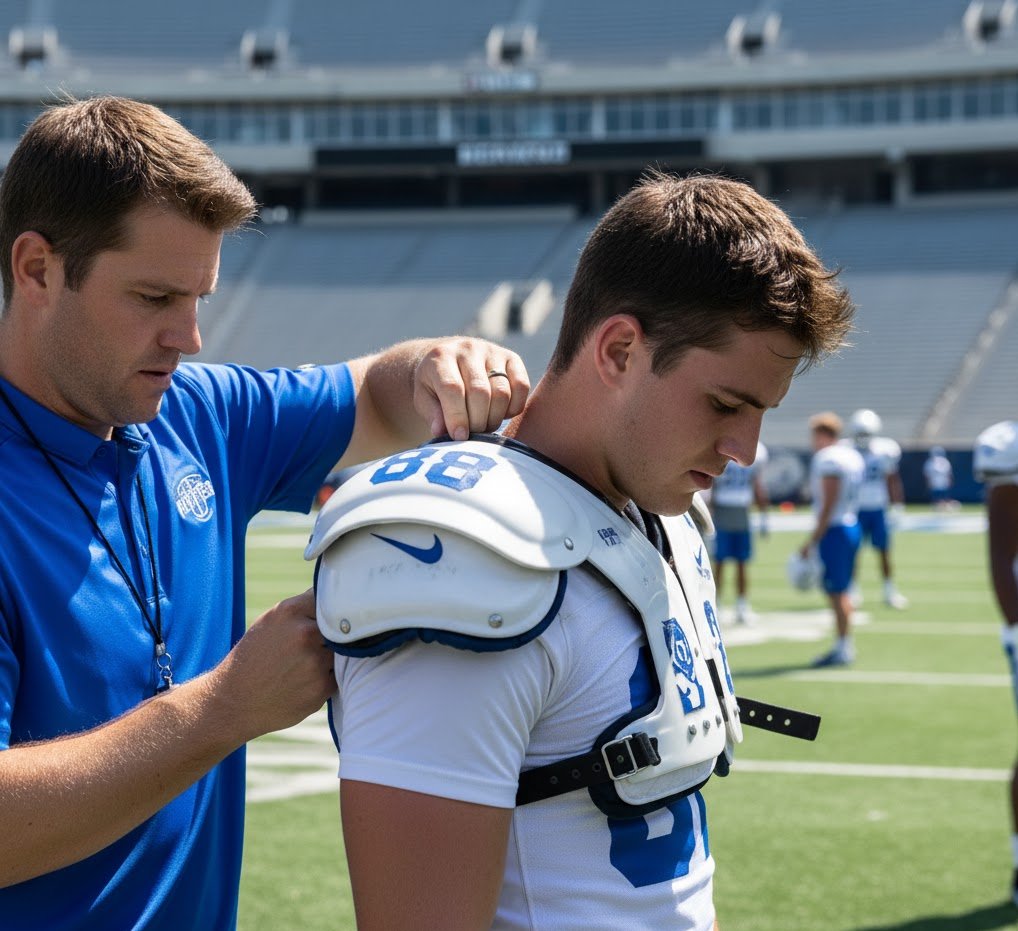
When it comes to football safety and performance, few pieces of equipment are more important than shoulder pads. Properly fitted shoulder pads not only protect against hard hits but also allow for flexibility, mobility, and comfort on the field. Whether you’re a player, parent, or coach, understanding how to fit football shoulder pads is essential to ensure maximum protection and confidence during play.
This guide covers everything you need to know — from measuring and selecting the right pads to adjusting straps and ensuring proper mobility.
Why Proper Shoulder Pad Fit Matters
Football is a high-impact sport. Players experience collisions, tackles, and blocks that can put stress on the upper body. Improperly fitted shoulder pads can cause serious issues, such as:
Reduced mobility and slower reaction times.
Increased risk of shoulder, neck, or collarbone injuries.
Uncomfortable rubbing or pinching.
Poor protection during hits or tackles.
A well-fitted shoulder pad should feel snug but not restrictive — offering protection without sacrificing movement.
Step 1: Measure for Football Shoulder Pads
Before buying or fitting shoulder pads, it’s important to take accurate body measurements. You’ll need two key measurements:
1. Shoulder Width
Use a flexible tape measure.
Measure from the tip of one shoulder bone to the other.
Record the number in inches.
This measurement determines the pad size (Small, Medium, Large, etc.).
2. Chest Size
Wrap the measuring tape around the widest part of the chest, just under the armpits.
Keep the tape snug but not tight.
This helps determine how the pad’s body arch and straps will fit around your torso.
Tip: Always measure with the player standing straight with arms relaxed for accuracy.
Step 2: Select the Right Type of Shoulder Pads
There are different shoulder pad styles depending on your position on the field. Each type offers a balance of protection and mobility tailored to specific needs.
1. Skill Position Pads (QB, WR, DB, RB)
Lightweight and low-profile.
Prioritize mobility, speed, and range of motion.
Designed for players who rely on agility.
2. Lineman Pads (OL, DL)
Heavier with more padding and protection.
Extended shoulder caps and deltoid coverage.
Built to absorb contact on every play.
3. Hybrid Pads (LB, TE, FB)
Blend of protection and mobility.
Slightly more coverage than skill pads but less bulky than lineman pads.
4. Youth Pads
Designed for younger players.
Extra comfort, lighter materials, and easier adjustments.
Make sure to choose a pad type that matches your position and playing style.
Step 3: Try On the Shoulder Pads
Once you have your size and type, it’s time to try them on properly.
Fitting Checklist:
Center the Pads: The neck hole should sit evenly over your shoulders.
Check the Shoulder Caps: They should cover the ends of your shoulders — not droop over or sit too high.
Adjust the Straps: Tighten elastic straps or belts until snug but comfortable.
Test Arm Movement: Raise, rotate, and extend your arms to ensure a full range of motion.
Check Chest Coverage: The front of the pads should cover your sternum and upper ribs.
Inspect the Back Plate: The back should cover your shoulder blades and upper spine without restricting movement.
If the pads slide around, pinch your neck, or leave gaps, the fit isn’t correct.
Step 4: Adjust Straps and Laces
Most football shoulder pads have adjustable straps, belts, and laces to customize the fit.
How to Adjust for a Proper Fit:
Elastic Straps: Pull evenly on both sides to balance tension.
Belt System: Tighten across the chest and rib area so the pads feel secure but not suffocating.
Front Laces (if available): Loosen or tighten to fine-tune chest compression.
Cushion Inserts: Make sure foam pads sit evenly against the skin.
Pro Tip: The pads should stay firmly in place even when you move, jump, or bend.
Step 5: Test the Fit During Movement
A proper fit isn’t confirmed until the player moves around. Run, block, and mimic game movements to ensure the pads feel natural.
What to Check:
Can you lift your arms above your head comfortably?
Does the neck hole feel too tight or loose?
Do the pads stay centered during movement?
Is there any pinching, rubbing, or discomfort?
If the pads shift or ride up during play, readjust or try a smaller size.
Step 6: Add Accessories for Extra Protection
Depending on position and preference, players can add accessories for enhanced safety and comfort:
Neck Rolls: Prevent whiplash and support the neck.
Back Plates: Protect lower back and spine from hits.
Rib Protectors: Add side protection for quarterbacks and running backs.
Shoulder Caps: Extra coverage for players in high-contact positions.
These accessories attach easily to most standard pads using built-in straps or clips.
Step 7: Maintenance and Care
Proper maintenance ensures your shoulder pads stay durable, safe, and hygienic.
Cleaning Tips:
Wipe pads after every practice with a disinfectant wipe.
Remove foam liners (if detachable) and air dry after each game.
Never soak pads in water or use harsh chemicals.
Store them in a cool, dry place.
Regular cleaning prevents odor buildup and extends the lifespan of your gear.
Common Fitting Mistakes to Avoid
Even experienced players sometimes make mistakes when fitting shoulder pads. Here’s what to watch out for:
Pads Too Large – Causes shifting and poor protection.
Pads Too Small – Restricts motion and increases injury risk.
Uneven Straps – Leads to unbalanced fit.
Loose Laces – Reduces stability and safety.
Ignoring Position Type – Using lineman pads for a wide receiver limits agility.
Always double-check your fit and comfort before stepping onto the field.
Expert Tips for the Perfect Shoulder Pad Fit
Work with a coach or equipment manager to confirm your fit.
Recheck fit each season, especially for growing youth players.
Wear your full uniform (jersey, undershirt) during fitting to simulate real conditions.
Replace pads if the foam becomes compressed or the shell cracks.
Remember: comfort + protection = confidence on the field.
Final Thoughts
Learning how to fit football shoulder pads properly is one of the most important parts of staying safe and playing confidently. Whether you’re suiting up for your first season or helping a young athlete prepare, proper measurement, fit, and adjustment can make a huge difference in performance and injury prevention.
When fitted correctly, shoulder pads should feel like a natural extension of your body — secure, protective, and comfortable. Take the time to measure, adjust, and test your pads before game day, and you’ll be ready to take the field with confidence and control.