
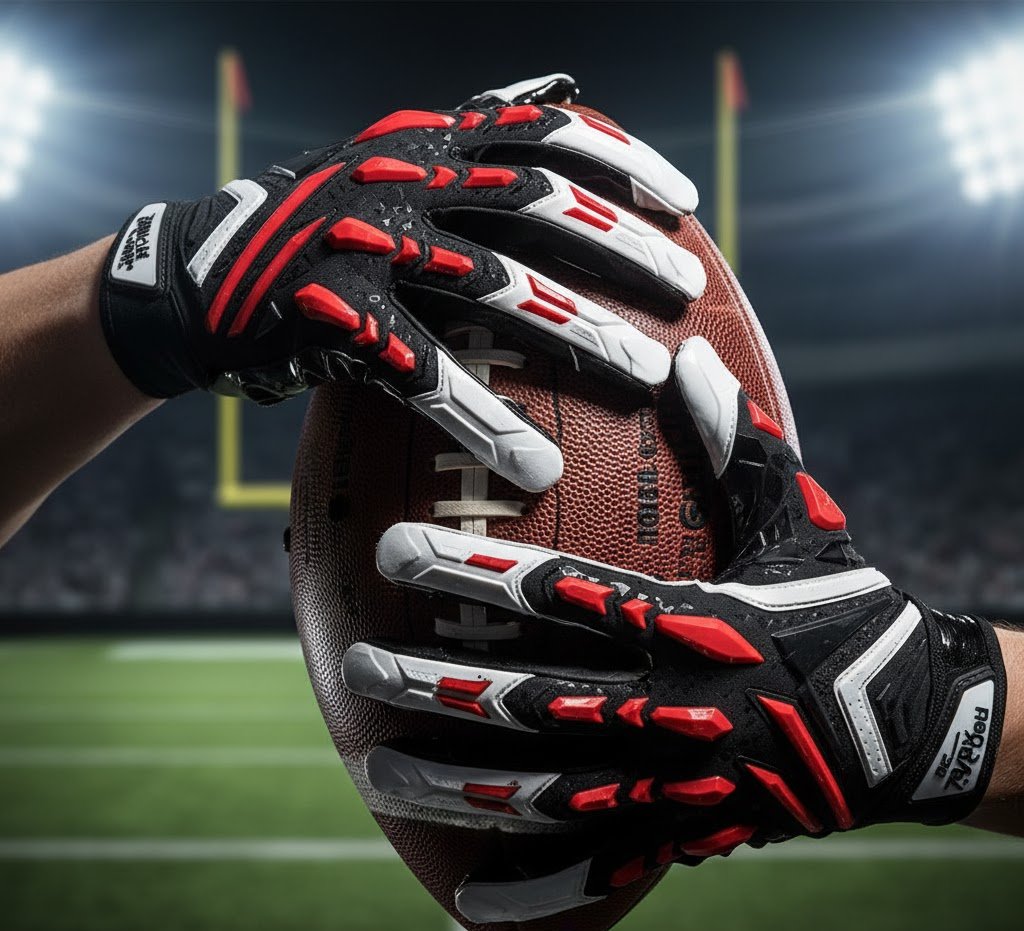
When it comes to football, every detail matters — from the helmet on your head to the gloves on your hands. Football gloves are more than just accessories; they directly influence your grip, control, and performance on the field. Whether you’re a wide receiver trying to make a fingertip catch or a lineman battling in the trenches, understanding how football gloves should fit can make all the difference between a good play and a game-winning one.
This detailed guide explains how football gloves should fit, why sizing is important, how to measure your hands, and tips to maintain their comfort and effectiveness all season long.
1. Why the Fit of Football Gloves Matters
Football gloves serve several purposes — they protect your hands, improve grip, and enhance control over the ball. But if they don’t fit properly, they can do more harm than good.
Too Tight: Gloves that are too tight can restrict movement, cause discomfort, and even tear during play.
Too Loose: Loose gloves can slip, reduce grip, and make catching or handling the football difficult.
A perfect fit ensures that the glove feels like a second skin — snug enough to enhance performance but comfortable enough for free movement.
2. Types of Football Gloves and Their Fit
The right fit often depends on the type of glove you use. There are two main categories of football gloves, each designed for specific positions and purposes:
a. Receiver Gloves
These are lightweight gloves designed for players who handle the ball often — wide receivers, running backs, and defensive backs. They feature sticky palm materials that help with catching and ball security.
Fit: Should be snug, almost like compression wear.
Goal: Maximum feel of the ball with full hand flexibility.
b. Lineman Gloves
These are thicker and sturdier, built for protection and durability. Linemen use them to absorb impact during blocking and tackles.
Fit: Slightly looser than receiver gloves but still secure.
Goal: Comfort and padding to withstand forceful contact.
Understanding your position helps you decide how tight or loose your gloves should be.
3. How to Measure Your Hand for Football Gloves
Choosing the right size begins with proper measurement. Here’s a quick step-by-step method:
Measure Your Hand Width:
Use a tape measure around the widest part of your palm (just below your knuckles) — excluding your thumb.Measure Your Hand Length:
Measure from the tip of your middle finger to the base of your palm.Compare with a Size Chart:
Each manufacturer (Nike, Adidas, Under Armour, Cutters, etc.) has slightly different sizing charts. Match your measurement with their chart to find your glove size.
Example:
7″–7.5″ = Small
7.5″–8″ = Medium
8″–8.5″ = Large
8.5″–9″ = XL
If your measurement falls between sizes, it’s usually safer to go slightly smaller for receivers or slightly larger for linemen.
4. Key Signs of a Perfect Fit
You can tell your football gloves fit correctly if they meet these standards:
The gloves feel snug but not restrictive.
Your fingers fill out the glove fully with no extra space at the tips.
The glove’s palm lies flat without bunching or wrinkling.
You can close your fist comfortably without strain.
The wrist strap feels secure but not tight.
A properly fitting glove should feel natural — as if it’s part of your hand.
5. Common Fit Problems and How to Fix Them
Even with the right size, you might encounter minor issues with fit or comfort. Here’s how to solve them:
a. Gloves Feel Too Tight
Stretch them slightly by wearing them during warmups.
Avoid pulling too hard or exposing them to high heat — this can damage the material.
b. Gloves Feel Too Loose
Adjust the wrist strap for a better seal.
If they remain loose, consider switching to a smaller size or a brand with a tighter fit.
c. Fingers Are Too Long or Short
Brands vary in finger length design — some gloves run longer than others. Trying different models can help you find a glove shape that matches your hand.
6. The Role of Material in Fit and Comfort
Football gloves are made from a mix of synthetic leather, stretch fabrics, and grip polymers. Each material affects how the glove feels and fits.
Synthetic Leather: Offers durability and structure; found in lineman gloves.
Stretch Fabric (Spandex or Lycra): Provides flexibility and a tight, comfortable fit.
Grip Polymer (Silicone or Tackified Surface): Helps with catching and ball control.
The more flexible the fabric, the more forgiving the fit. However, gloves with more grip material tend to be tighter initially, loosening after a few uses.
7. Tips for Maintaining the Right Fit
Even the best gloves lose their shape over time. Proper care helps maintain fit and grip:
Air Dry After Each Use: Never leave gloves in your bag — moisture weakens the fabric.
Hand Wash Gently: Use mild soap and water; avoid hot water or dryers.
Avoid Overstretching: Putting on gloves when your hands are wet or swollen can ruin their elasticity.
Store Flat: Keep them in a cool, dry place to prevent shrinking or wrinkling.
Taking care of your gloves not only preserves fit but also extends their life.
8. Should Football Gloves Feel Tight at First?
Yes — new gloves often feel tight when you first wear them. This is normal. They’re designed to stretch slightly to match your hand’s shape after a few practices or games.
Pro Tip: Try your gloves on before buying. Make sure you can move your fingers freely, catch a ball comfortably, and close your fist without strain.
9. Differences Between Youth and Adult Football Gloves
Youth gloves are made for smaller hands with slightly thinner material for flexibility and comfort. Adult gloves, on the other hand, have more structure, padding, and larger finger openings.
Youth Players: Should focus on comfort and flexibility.
Adults: Should prioritize grip and durability.
No matter your age, the goal is always the same — a glove that feels secure and natural.
10. Professional Players’ Glove Fit Preferences
Most NFL and college players prefer gloves that fit extremely snugly — almost skin-tight. They believe tighter gloves provide better ball control and minimize slippage.
However, personal preference matters. Some players prefer a bit of room for ventilation, especially in warm conditions.
Ultimately, experiment with a few fits during practice before choosing the one that feels right.
11. How Often Should You Replace Football Gloves?
If you play regularly, expect to replace gloves once or twice per season. Signs that you need new gloves include:
Worn-out grip surface
Torn stitching
Stretched-out material
Persistent odor or stiffness
Consistent maintenance can extend their lifespan, but once the grip fades, performance will suffer.
12. Final Tips for the Perfect Fit
Here’s a quick summary to ensure your gloves fit perfectly every time:
Measure your hands accurately before buying.
Always try them on before game day.
Choose based on your position and playing style.
Break them in during practice, not in a live game.
Clean and store them properly after each use.
Conclusion
Knowing how football gloves should fit is essential for comfort, protection, and peak performance. The ideal glove fits snugly without feeling restrictive, lets you move naturally, and gives you complete confidence every time you touch the ball.
When your gloves fit perfectly, they enhance every aspect of your game — from gripping tough catches to maintaining control in wet or cold weather. Whether you’re playing at the high school, college, or professional level, the right fit can turn good players into great ones.