
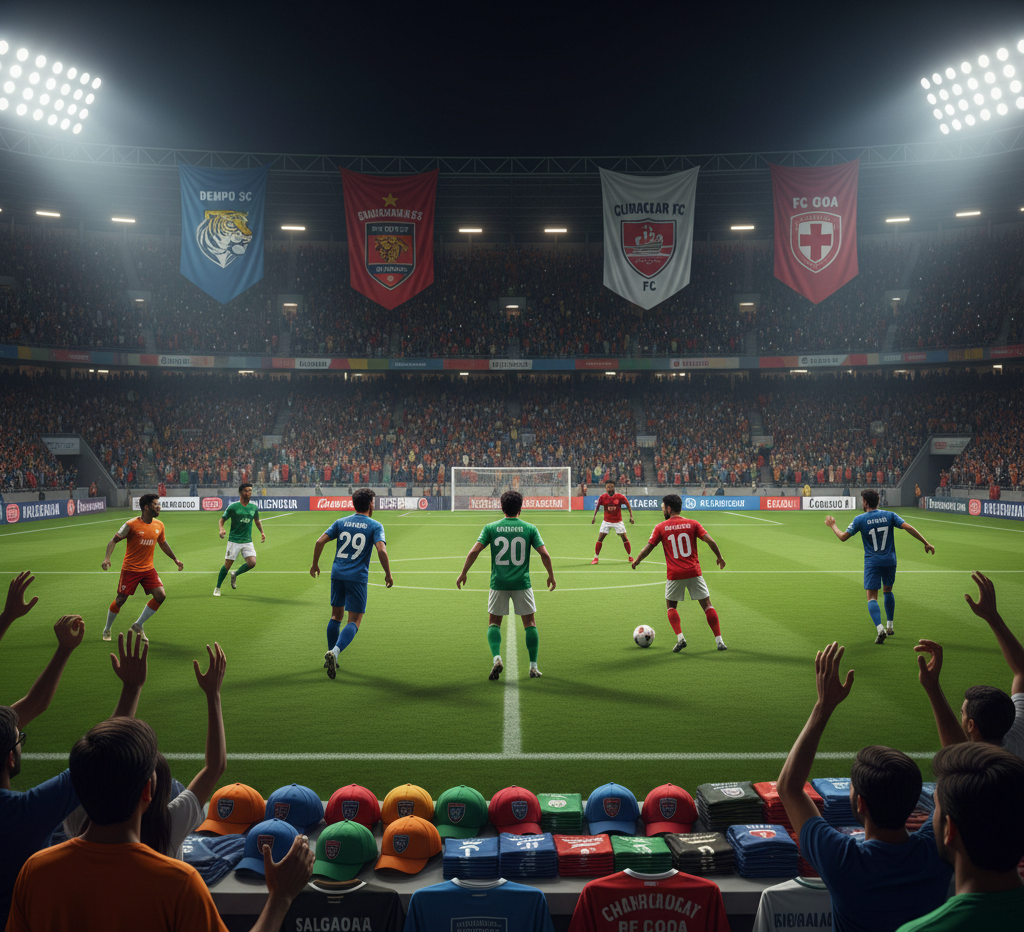
Goa, a coastal state in India, has a rich football tradition that dates back over a century. Known for its passion for the sport, Goa has produced some of India’s most successful football clubs and has played a pivotal role in shaping the Indian football landscape. From grassroots initiatives to professional leagues, Goan football clubs are central to both local culture and India’s growing presence in international football.
This article provides an in-depth look at Goa football clubs, covering their history, top teams, player development, fan culture, and the role of these clubs in Indian football.
History of Football in Goa
Football was introduced in Goa during the Portuguese colonial era, which lasted until 1961. Portuguese influence played a significant role in the sport’s development, with clubs and local communities embracing football as a key recreational activity.
Early Development:
Small community clubs formed in villages and towns
Tournaments organized among local schools and parishes
Football became a part of Goa’s cultural identity
Post-Independence Era:
Formation of professional clubs
Participation in national tournaments like the Santosh Trophy
Growth of organized leagues and competitions
Goa’s history of football laid the foundation for the state’s modern clubs.
Popular Football Leagues in Goa
Goa’s football ecosystem includes several professional and amateur leagues, which support club competition and player development.
Goa Professional League (GPL)
Top-tier state league
Features prominent Goan clubs
Serves as a platform for scouting young talent
Indian Super League (ISL)
National professional league
Goa-based clubs participate, gaining national recognition
Boosts commercial growth and fan engagement
Other Local Tournaments
Goa Football Association (GFA) organizes tournaments
Youth leagues for under-18 and under-16 players
Amateur competitions at village and district levels
Top Goa Football Clubs
Goa is home to several renowned football clubs that have contributed significantly to Indian football.
1. Dempo Sports Club
Founded: 1968
Achievements: Multiple I-League titles
Contribution: Known for developing young talent and producing international players
Colors: Blue and white
Identity: Emphasizes discipline, teamwork, and a strong footballing philosophy
2. Salgaocar Football Club
Founded: 1956
Achievements: I-League champions and Federation Cup winners
Contribution: Famous for community engagement and youth development programs
Colors: Green and white
3. Churchill Brothers Football Club
Founded: 1988
Achievements: Multiple I-League titles and domestic cup victories
Contribution: Focus on promoting Goan talent and providing professional coaching
Colors: Red and yellow
4. Sporting Clube de Goa
Founded: 1999
Achievements: Goa Professional League champions and strong ISL participation
Contribution: Known for attacking football style and modern infrastructure
Colors: Red and white
5. FC Goa
Founded: 2014 (ISL Club)
Achievements: ISL runners-up and playoff contenders
Contribution: Modern professional club model with global partnerships
Colors: Orange and blue
Identity: Represents Goan pride on a national stage
Role of Youth Academies
Goa football clubs invest heavily in youth academies to ensure the next generation of players is prepared for professional football.
Academy Goals:
Technical skill development
Tactical understanding of football
Physical fitness and conditioning
Mental resilience and professionalism
Notable Academies:
Dempo SC Academy – produces top Indian players
Salgaocar Academy – emphasizes grassroots development
FC Goa Youth Academy – modern training methods and international exposure
Youth programs ensure sustainability of Goan football and help clubs compete nationally.
Fan Culture in Goa
Goan football clubs enjoy a dedicated and passionate fan base. Football matches are major community events, with local supporters providing energy and excitement.
Fan Engagement:
Matchday chants, banners, and flags
Community outreach and fan clubs
Social media interaction and club events
Fans play a crucial role in creating a lively atmosphere and promoting club identity.
Infrastructure and Stadiums
Modern infrastructure supports professional football in Goa.
Key Stadiums:
Fatorda Stadium (Jawaharlal Nehru Stadium, Margao)
Home to FC Goa
Capacity: ~19,000
Modern facilities for players and fans
Duler Stadium (Mapusa)
Hosts Goa Professional League matches
Capacity: ~10,000
Tilak Maidan Stadium (Panaji)
Central venue for domestic and state-level competitions
These stadiums support both competitive football and fan experience, contributing to club success.
Contribution to Indian Football
Goa football clubs have significant impact on Indian football:
Producing players for the Indian national team
Competing in I-League and ISL, raising the standard of domestic football
Promoting football as a career option for youth
Hosting tournaments and events that popularize the sport nationally
Financial and Commercial Aspects
Goa football clubs balance sporting success with financial sustainability.
Revenue Sources:
Matchday ticket sales
Sponsorships and corporate partnerships
Merchandise sales (jerseys, scarves, caps)
Broadcasting and media rights
Expenses:
Player salaries and transfers
Stadium maintenance
Youth academy investments
Marketing campaigns
Well-managed finances ensure clubs remain competitive and sustainable in the long term.
Media and Digital Presence
Digital platforms have expanded fan reach and club branding for Goan football clubs.
Key Platforms:
Club websites with news and fixtures
Social media (Instagram, Facebook, Twitter)
Live streaming of matches
Interactive content such as polls and contests
A strong digital presence allows global recognition for Goan football clubs.
Rivalries and Derby Matches
Rivalries add excitement and competitive spirit to Goan football.
Notable Rivalries:
Dempo SC vs Salgaocar FC – traditional rivalry in I-League
Churchill Brothers vs Sporting Clube de Goa – high-intensity matches
FC Goa vs Other ISL Clubs – modern professional rivalry
Derby matches are fan favorites and generate higher attendance and media attention.
Future of Goan Football Clubs
Goa football clubs continue to evolve and innovate:
Emerging Trends:
Increased investment in youth development
Adoption of modern coaching and analytics
Partnerships with international clubs
Enhanced digital marketing and fan engagement
Expansion of professional infrastructure and training facilities
These initiatives aim to make Goa a hub for Indian football excellence.
Conclusion
Goa football clubs are at the heart of Indian football, representing a rich tradition of skill, passion, and professionalism. From historic teams like Dempo SC and Salgaocar FC to modern ISL powerhouses like FC Goa, these clubs have built a legacy of excellence.
Through youth development, community engagement, fan culture, and modern management, Goa football clubs continue to shape the future of football in India. They are not just teams—they are symbols of Goan pride, passion, and sporting ambition, inspiring generations of players and fans alike.