
Introduction
Georgia football clubs play a vital role in the development and identity of football in the country of Georgia. Over the past few decades, Georgian clubs have steadily gained recognition across Europe for their technical players, passionate supporters, and competitive spirit. While Georgian football may not yet command the same global attention as leagues in England, Spain, or Germany, its clubs continue to produce elite talent and achieve notable success in domestic and international competitions.
This comprehensive guide explores Georgia football clubs, their history, league structure, top teams, fan culture, youth development, and future prospects. Whether you are a football enthusiast, analyst, or content creator, this article provides a complete overview of Georgian club football.
Overview of Football in Georgia
Football is the most popular sport in Georgia, with deep cultural roots and widespread national support. The sport grew significantly during the Soviet era, when Georgian clubs competed at the highest levels of Soviet football.
Today, Georgia football clubs compete primarily in the Erovnuli Liga, the country’s top professional division. Georgian clubs are known for:
Technical skill
Strong midfield play
Passionate fanbases
Development of young talent
Georgian Football League System
Erovnuli Liga (Top Division)
The Erovnuli Liga is the highest level of professional football in Georgia. It features the country’s strongest clubs and serves as the primary pathway to European competitions.
Key characteristics:
Professional competition
Qualification for UEFA tournaments
Platform for national team talent
Lower Divisions
Below the top division are:
Erovnuli Liga 2
Liga 3
Liga 4
These divisions support club development and promotion pathways.
History of Georgia Football Clubs
Soviet Era Influence
During the Soviet period, Georgian clubs were part of the USSR football system. Clubs such as Dinamo Tbilisi became highly respected across Eastern Europe.
Post-Independence Growth
After Georgia gained independence in 1991, the domestic football system was restructured. Georgian clubs faced financial and organizational challenges but gradually rebuilt professional standards.
Dinamo Tbilisi: Georgia’s Most Successful Football Club
Club Overview
Dinamo Tbilisi is the most famous and successful club among all Georgia football clubs.
Key highlights:
Founded in 1925
Based in Tbilisi
Multiple domestic league titles
Historic European success
European Achievement
Dinamo Tbilisi won the UEFA Cup Winners’ Cup in 1981, making it one of the most successful clubs in the region during that era.
Other Top Georgia Football Clubs
FC Dinamo Batumi
Based in Batumi
Strong recent domestic performances
Modern club infrastructure
Growing fanbase
Dinamo Batumi has emerged as a major challenger in Georgian football.
FC Torpedo Kutaisi
Historic club with strong traditions
Based in Kutaisi
Known for passionate supporters
Torpedo Kutaisi remains one of the most respected Georgia football clubs.
FC Dila Gori
Competitive domestic club
Consistent league performances
Strong youth focus
Dila Gori is recognized for stability and development.
FC Samtredia
Smaller but competitive club
Strong tactical discipline
Past league success
Samtredia has contributed significantly to Georgian football development.
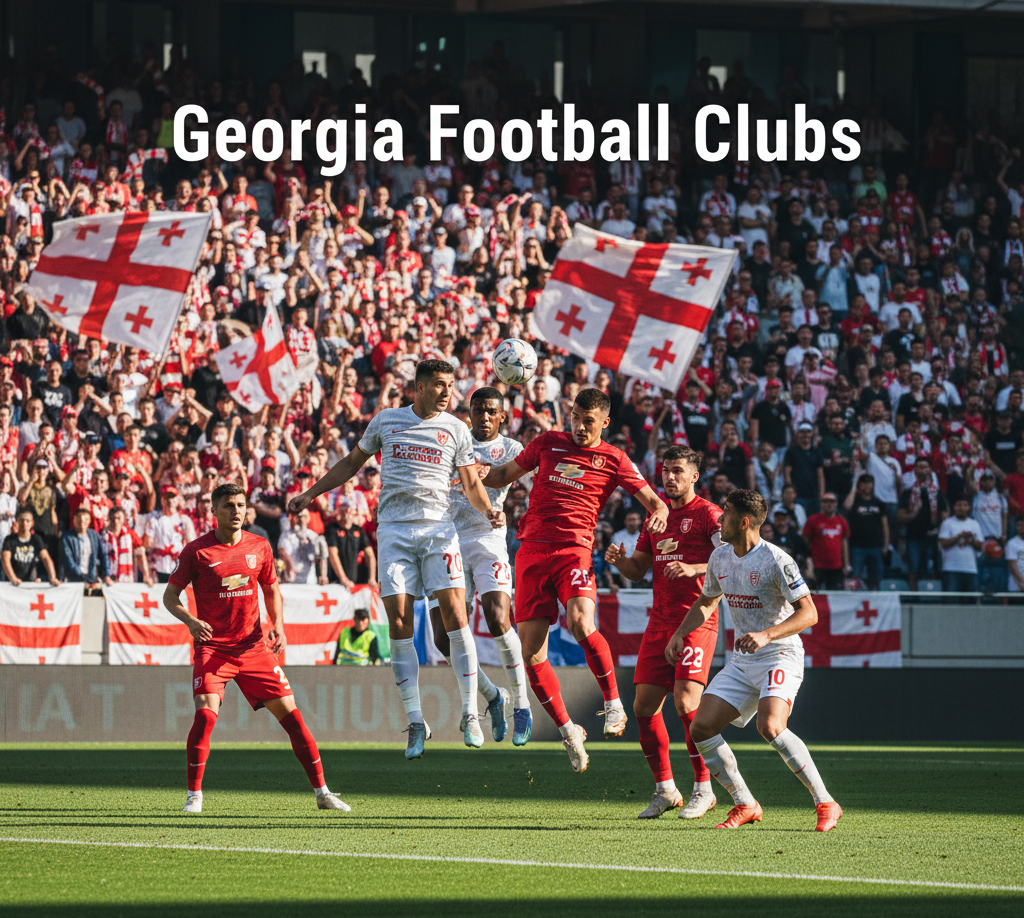
Fan Culture and Supporters
Passionate Matchday Atmosphere
Fans of Georgia football clubs are known for:
Vocal stadium support
Colorful banners and chants
Strong loyalty to local teams
Even smaller clubs enjoy intense local support.
Youth Academies and Player Development
Producing International Talent
Georgia football clubs emphasize youth development, producing players who compete in:
Top European leagues
International tournaments
Georgia national team
Academies focus on:
Technical skills
Tactical intelligence
Physical conditioning
Georgian Clubs in European Competitions
UEFA Participation
Top Georgia football clubs regularly participate in:
UEFA Champions League qualifiers
UEFA Europa League qualifiers
UEFA Conference League
While reaching group stages is challenging, Georgian clubs continue to gain valuable experience.
Playing Style of Georgian Football Clubs
Technical and Creative Football
Georgian clubs are traditionally known for:
Creative attacking play
Skilled dribblers
Strong midfield control
This style has earned Georgian players international respect.
Infrastructure and Stadiums
Improving Facilities
Many Georgia football clubs have invested in:
Modern stadiums
Training facilities
Youth development centers
Notable stadiums include:
Boris Paichadze Dinamo Arena
Batumi Stadium
These facilities support long-term growth.
Financial Challenges and Sustainability
Despite progress, Georgia football clubs face challenges such as:
Limited sponsorship revenue
Smaller broadcasting deals
Player retention difficulties
However, improved governance and UEFA support have helped stabilize the system.
Role of Georgia Football Federation
The national federation supports clubs through:
League organization
Youth programs
Coaching education
Infrastructure funding
This collaboration is vital for sustainable growth.
Rivalries in Georgian Football
Major Domestic Rivalries
Dinamo Tbilisi vs Torpedo Kutaisi
Dinamo Tbilisi vs Dinamo Batumi
These matches attract large crowds and national attention.
Impact of Georgian Clubs on the National Team
Georgia football clubs play a crucial role in:
Developing national team players
Providing competitive match experience
Maintaining tactical consistency
Many national team stars began their careers in domestic clubs.
Media Coverage and Popularity
Football coverage in Georgia continues to grow through:
Television broadcasting
Digital platforms
Social media engagement
Clubs are increasingly building international audiences.
Future of Georgia Football Clubs
Long-Term Outlook
The future of Georgia football clubs looks promising due to:
Youth-focused development
Modern stadium investments
Increased European exposure
Continued progress could elevate Georgian clubs on the continental stage.
Why Georgia Football Clubs Matter
Georgia football clubs represent:
National pride
Cultural identity
Sporting tradition
They serve as a bridge between grassroots football and international competition.
Conclusion
Georgia football clubs have come a long way from their Soviet-era roots to modern professional competition. With historic clubs like Dinamo Tbilisi, emerging teams such as Dinamo Batumi, and a strong emphasis on youth development, Georgian club football continues to evolve.
While challenges remain, the passion of supporters, growing infrastructure, and rising talent ensure that Georgia football clubs will remain an important force in European football’s future.