
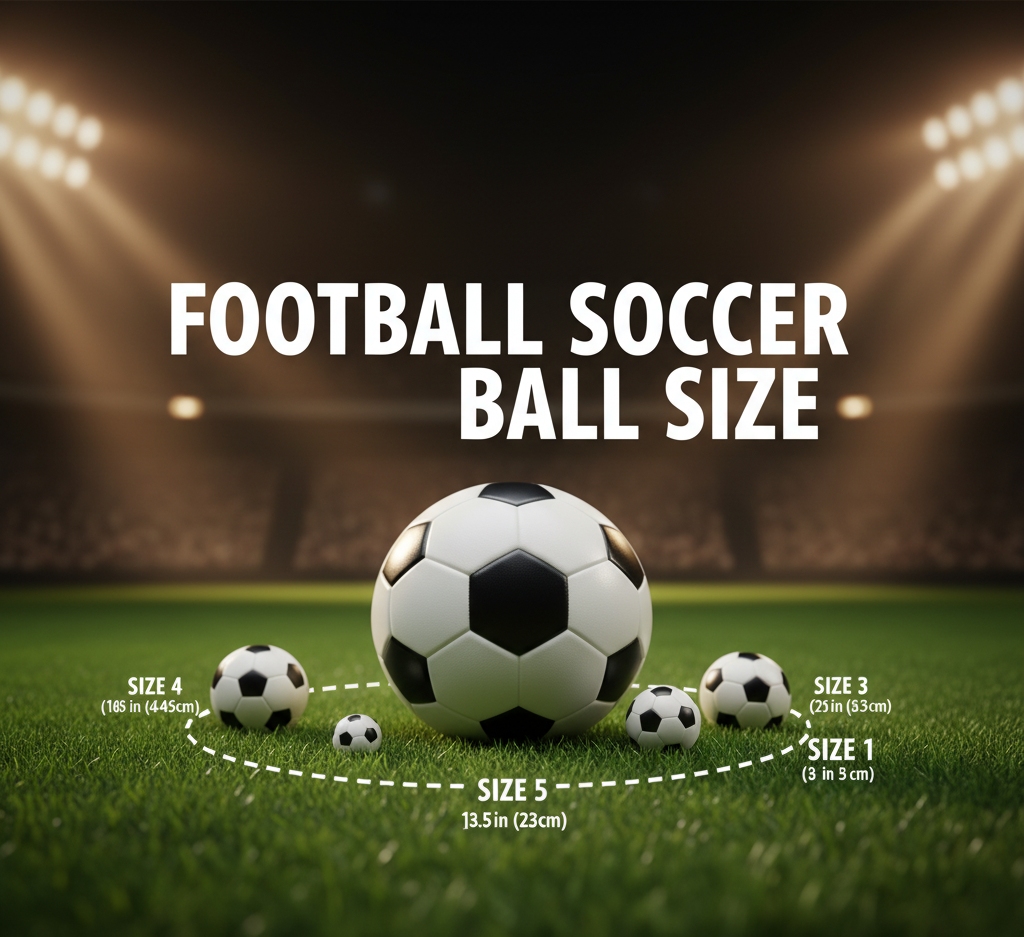
Soccer is the most popular sport in the world, played by millions of people across different age groups and levels. One of the most important pieces of equipment used in the game is the ball itself. Many people often ask about football soccer ball size, especially beginners, parents, and coaches who want to buy the right ball for training or matches.
Understanding the correct football soccer ball size is essential because different age groups use different ball sizes. The size of the ball can affect a player’s control, passing accuracy, and overall performance during a game.
In this article, we will explore everything you need to know about football soccer ball size, including official measurements, ball sizes by age group, why ball size matters, and tips for choosing the right soccer ball.
What Is the Official Football Soccer Ball Size?
The official football soccer ball size used in professional matches is Size 5. This ball size is used in professional leagues, international tournaments, and adult competitions around the world.
Organizations such as FIFA and International Football Association Board regulate the official standards for soccer balls.
Official Size 5 Soccer Ball Specifications
Circumference: 68 – 70 cm (27 – 28 inches)
Weight: 410 – 450 grams
Pressure: 8.5 – 15.6 psi
Age Group: 12 years and older
This football soccer ball size is designed for maximum control, power, and balance during professional matches.
Different Football Soccer Ball Sizes
Soccer balls come in multiple sizes to accommodate players of different ages and skill levels. Using the correct football soccer ball size helps players develop better technique and control.
Size 1 Soccer Ball
Size 1 balls are the smallest soccer balls available.
Key Features
Circumference: 18 – 20 inches
Mostly used for skills practice
Popular as souvenir or mini soccer balls
These balls help players improve ball control, juggling skills, and foot coordination.
Size 2 Soccer Ball
Size 2 balls are slightly larger than mini balls and are commonly used for skill training.
Specifications
Circumference: 20 – 22 inches
Training ball for young players
Used for ball control exercises
Coaches often use Size 2 balls to help players improve footwork and technique.
Size 3 Soccer Ball
Size 3 is the first official football soccer ball size used in youth matches.
Specifications
Circumference: 23 – 24 inches
Weight: About 300 – 320 grams
Age Group: Under 8 years old
This ball is perfect for young players because it is lighter and easier to control.
Size 4 Soccer Ball
Size 4 is used in youth leagues and training sessions for developing players.
Specifications
Circumference: 25 – 26 inches
Weight: 350 – 390 grams
Age Group: 8 – 12 years old
Many youth academies around the world use this football soccer ball size to help players transition toward full-size balls.
Size 5 Soccer Ball
Size 5 is the standard ball used in professional soccer.
Specifications
Circumference: 27 – 28 inches
Weight: 410 – 450 grams
Age Group: 12 years and above
Major tournaments such as the FIFA World Cup use Size 5 soccer balls for all matches.
Why Football Soccer Ball Size Matters
Using the correct football soccer ball size is extremely important for player development and safety.
1. Better Ball Control
Smaller balls allow younger players to control the ball more easily. If the ball is too large, players may struggle with passing and dribbling.
2. Improved Skill Development
Correct ball sizes help players develop important skills such as:
Dribbling
Passing
Shooting
Ball control
When the ball size matches the player’s age group, training becomes more effective.
3. Reduced Risk of Injury
Young players can experience strain or injury if they use balls that are too heavy or too large. The correct football soccer ball size reduces this risk.
4. Professional Game Standards
Professional players train with official Size 5 balls to prepare for competitive matches.
Materials Used in Soccer Balls
Modern soccer balls are made using advanced materials that improve performance and durability.
Synthetic Leather
Most high-quality soccer balls are made from synthetic leather. This material provides:
Better durability
Water resistance
Improved touch
Polyurethane (PU)
PU balls offer a softer touch and are commonly used in professional competitions.
PVC
PVC balls are more affordable and often used for training or recreational play.
Types of Soccer Balls
Different soccer balls are designed for different playing environments.
Match Balls
Match balls are high-quality balls used in professional games and tournaments.
Training Balls
Training balls are designed to be durable and withstand regular practice sessions.
Futsal Balls
Futsal balls are smaller and heavier than regular soccer balls because they are designed for indoor play.
Tips for Choosing the Right Football Soccer Ball Size
If you are buying a soccer ball, choosing the correct football soccer ball size is essential.
Consider the Player’s Age
Use the following simple guide:
Under 8 years: Size 3
8 – 12 years: Size 4
12 years and above: Size 5
Check the Ball Material
Choose durable materials such as polyurethane or synthetic leather for better performance.
Look for Official Standards
Make sure the ball meets official standards set by organizations like FIFA.
Check Air Pressure
Proper inflation helps maintain the ball’s shape and performance.
Benefits of Using the Correct Soccer Ball Size
Using the right football soccer ball size offers several advantages.
Better training results
Players learn skills faster when using an appropriate ball.
Improved match performance
Correct ball size helps players perform better during games.
Enhanced confidence
Players feel more comfortable controlling a ball suited to their age and skill level.
Safer gameplay
The correct size reduces strain on muscles and joints.
Common Mistakes When Choosing a Soccer Ball
Many people make simple mistakes when selecting a soccer ball.
Buying the Wrong Size
Parents often buy Size 5 balls for young children, which can make learning difficult.
Ignoring Ball Quality
Low-quality balls may lose shape quickly or wear out faster.
Incorrect Inflation
Overinflating or underinflating the ball affects how it moves on the field.
Frequently Asked Questions (FAQ)
What is the official football soccer ball size?
The official football soccer ball size used in professional matches is Size 5, with a circumference of 27 to 28 inches.
Which soccer ball size is best for kids?
Children under 8 years old should use Size 3, while players aged 8–12 should use Size 4 balls.
Do professional players use Size 5 balls?
Yes, professional leagues and international competitions use Size 5 soccer balls.
Why are there different soccer ball sizes?
Different sizes are designed to match the age and physical ability of players, helping them develop skills more effectively.
How heavy is a professional soccer ball?
A professional soccer ball typically weighs between 410 and 450 grams.
Conclusion
Understanding football soccer ball size is important for players, coaches, and parents who want to improve performance and ensure proper training. Soccer balls come in several sizes, each designed for a specific age group and purpose.
From mini skill balls to official Size 5 match balls, choosing the right size can greatly impact a player’s development. The correct ball improves control, builds confidence, and makes training more effective.
Whether you are a beginner learning the basics or an experienced player preparing for competitive matches, using the proper football soccer ball size will help you perform at your best on the field.