Madrid, the capital city of Spain, is not only a cultural and political hub but also a football powerhouse. Known worldwide for its football heritage, Madrid is home to some of the most successful and prestigious football clubs in the world. From globally recognized giants like Real Madrid CF and Atlético de Madrid to smaller local clubs nurturing talent, Madrid’s football scene is diverse, historic, and passionate.
This guide explores the football clubs of Madrid, their history, league participation, fan culture, rivalries, youth development programs, and regional significance.
Madrid’s Football Landscape
Football in Madrid is deeply rooted in the city’s culture. With a mix of professional, semi-professional, and grassroots clubs, Madrid has something for every type of football enthusiast. The city is home to clubs competing in La Liga, lower divisions, and local tournaments.
La Liga Presence
Real Madrid CF – Spanish giants with a global following
Atlético de Madrid – Fierce rivals of Real Madrid, known for passionate fans
Other clubs in Madrid occasionally participate in lower divisions or cup competitions
Lower Division and Local Clubs
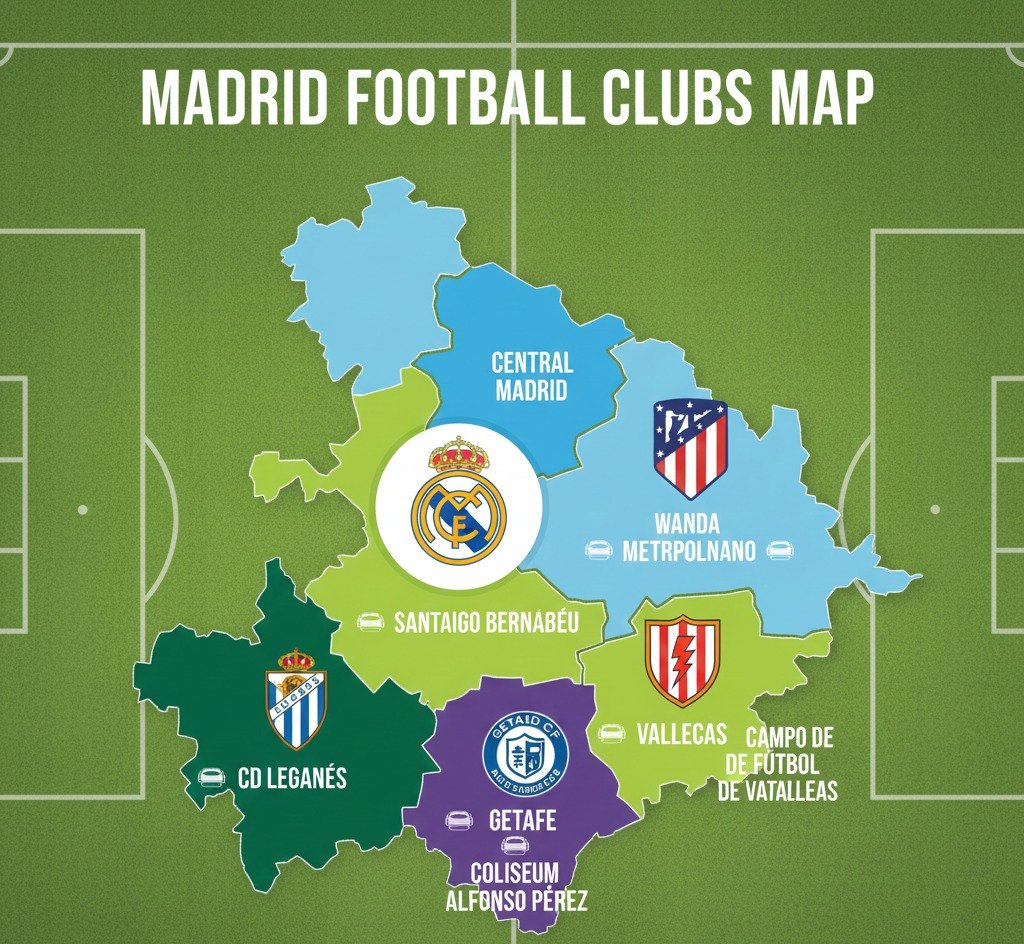
Clubs like Rayo Vallecano, CD Leganés, Getafe CF (technically in the Madrid region) provide competitive football in Segunda División and La Liga
Numerous grassroots clubs contribute to youth development and community engagement
Major Football Clubs in Madrid
Real Madrid CF
Founded: 1902
Stadium: Santiago Bernabéu
Achievements: 35 La Liga titles, 14 UEFA Champions League titles, numerous domestic and international trophies
Fanbase: Global, millions of supporters worldwide
Known for: Galácticos era, world-class players, dominating European football
Real Madrid is arguably the most famous football club globally. With a long history of success, the club has become a symbol of Spanish football and a destination for top talent.
Atlético de Madrid
Founded: 1903
Stadium: Wanda Metropolitano
Achievements: 11 La Liga titles, 3 UEFA Europa League titles, 3 UEFA Super Cups
Fanbase: Extremely passionate and loyal, known for fierce support
Known for: Strong defense, tactical discipline, Diego Simeone era
Atlético de Madrid has grown into a European powerhouse, challenging Real Madrid domestically and internationally. Their rivalry, known as El Derbi Madrileño, is one of the most intense in world football.
Rayo Vallecano
Founded: 1924
Stadium: Campo de Fútbol de Vallecas
Achievements: Mainly a mid-tier club in La Liga and Segunda División
Known for: Grassroots identity, working-class fanbase, exciting attacking football
Rayo Vallecano represents the working-class neighborhoods of Madrid and is famous for its community-oriented ethos.
Getafe CF
Founded: 1983
Stadium: Coliseum Alfonso Pérez
Achievements: Primarily in La Liga, notable performances in Copa del Rey and European competitions
Known for: Consistent presence in La Liga, development of local talent
Though technically in the Madrid metropolitan area, Getafe has become an important fixture in Spanish football, often punching above its weight in domestic competitions.
CD Leganés
Founded: 1928
Stadium: Estadio Municipal de Butarque
Achievements: Promotions to La Liga, strong performances in Segunda División
Known for: Community-driven club culture and youth development
Leganés is a club with a loyal local following, emphasizing regional pride and professional growth.
Rivalries in Madrid Football
Madrid football is fueled by intense rivalries, shaping the city’s sporting culture.
Real Madrid vs Atlético de Madrid (El Derbi Madrileño)
One of the most famous derbies in the world
Matches feature fierce competition, high stakes, and massive fan engagement
Rayo Vallecano vs Atlético de Madrid
Neighborhood-based rivalry, showcasing working-class identity against established giants
Real Madrid vs Rayo Vallecano
Underdog versus the global powerhouse, often producing thrilling matches
These rivalries are not just about football; they reflect history, social identity, and city pride.
Youth Development in Madrid Clubs
Madrid clubs invest heavily in youth academies, producing some of the world’s top talent:
Real Madrid Castilla – Real Madrid’s reserve team, a pathway to the first team
Atlético Madrid Academy – Develops players known for discipline and tactical awareness
Rayo Vallecano and CD Leganés youth programs – Focus on nurturing local talent
These academies contribute to Spain’s success at the international level and maintain a steady flow of talent into professional football.
Madrid Clubs in European Competitions
Madrid clubs dominate European football:
Real Madrid – Most UEFA Champions League titles in history
Atlético de Madrid – Consistently challenging in UEFA competitions, Europa League titles
Getafe and Rayo Vallecano – Occasional European participation, known for strong performances against bigger clubs
European competitions boost Madrid’s reputation as a football capital and attract global attention.
Football Culture and Fanbase in Madrid
Football in Madrid is more than a sport; it is a cultural phenomenon:
Fans from different neighborhoods have strong loyalties to local clubs
Modern stadiums such as Santiago Bernabéu and Wanda Metropolitano enhance matchday experiences
Clubs organize community events, fan engagement programs, and cultural festivals
Football media coverage is extensive, with dedicated channels, newspapers, and online platforms
Madrid fans are among the most passionate in Europe, ensuring electrifying atmospheres in stadiums and city streets.
Tips for Exploring Madrid Football Clubs
Attend a match at Santiago Bernabéu or Wanda Metropolitano – Experience world-class football live
Visit club museums – Learn about history, trophies, and legendary players
Explore local neighborhoods – See grassroots football at clubs like Rayo Vallecano
Follow Spanish football media – Marca, AS, and other outlets provide comprehensive coverage
Exploring Madrid football gives fans a complete sense of the city’s sporting heritage and vibrant culture.
Conclusion
Madrid is a global football capital with a mix of historic giants, passionate mid-tier clubs, and community-oriented teams. From Real Madrid’s international fame to Rayo Vallecano’s grassroots spirit, the football clubs of Madrid reflect the city’s identity, culture, and ambition.
Understanding Madrid’s football clubs, their rivalries, youth academies, and European presence gives fans and analysts a comprehensive picture of one of Europe’s most exciting football cities. Whether you are visiting, studying, or supporting, Madrid football offers a unique and unforgettable experience.