
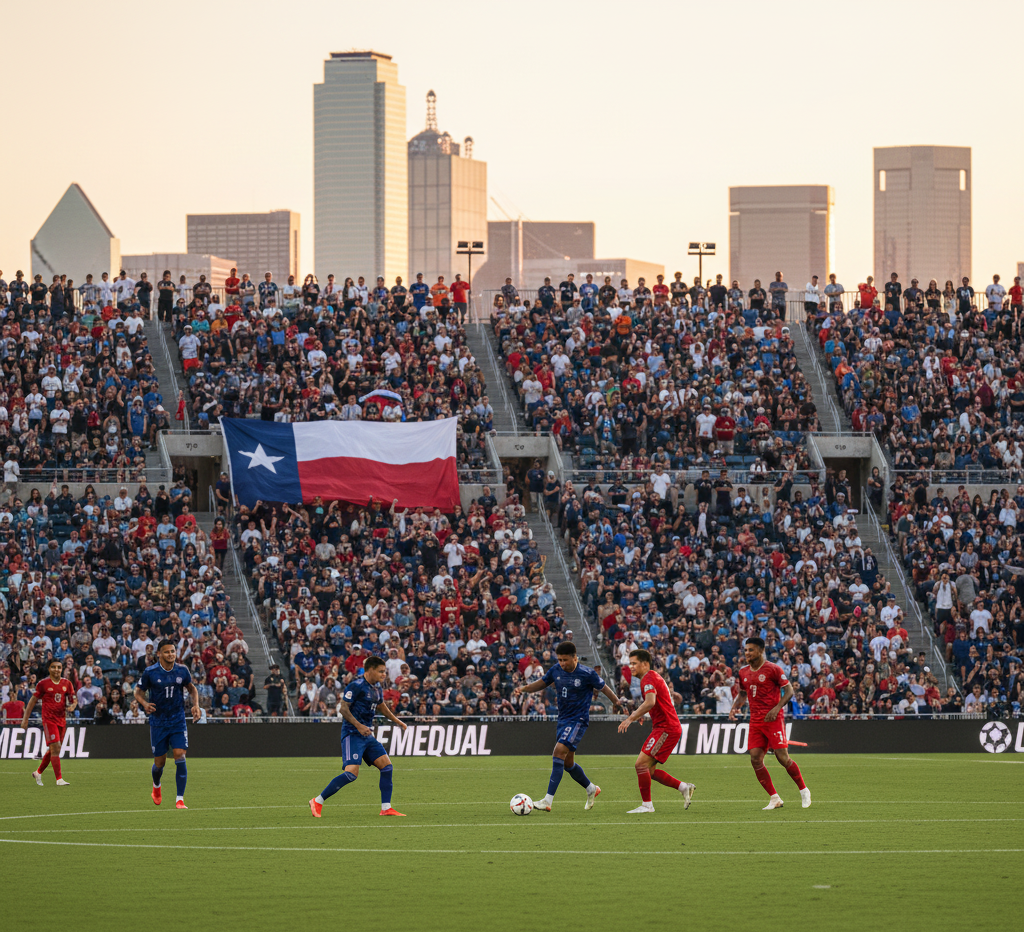
Texas is widely known for American football, but over the past few decades, soccer (football) has grown rapidly across the state. From Major League Soccer (MLS) powerhouses to rising semi-professional and youth clubs, Texas has become one of the most important football hubs in the United States.
With its massive population, diverse communities, and deep sports culture, Texas is home to some of the most competitive and well-supported football clubs in the country. In this article, we’ll explore football clubs in Texas, covering professional teams, lower-division clubs, youth academies, and the overall growth of soccer in the Lone Star State.
Why Texas Is a Growing Soccer Hotspot
Texas offers the perfect environment for football to thrive. Several key factors have contributed to the rapid rise of soccer clubs across the state.
Key Reasons Soccer Is Growing in Texas
Large and diverse population with strong football traditions
Youth participation at one of the highest levels in the U.S.
Favorable climate allowing year-round play
Strong immigrant communities with deep football roots
Investment in stadiums, academies, and professional leagues
As a result, Texas has become a central pillar of American soccer development.
Major League Soccer (MLS) Clubs in Texas
Texas is home to three Major League Soccer clubs, making it one of the most represented states in MLS.
FC Dallas
Founded: 1996
City: Frisco (Dallas–Fort Worth area)
Stadium: Toyota Stadium
FC Dallas is one of the founding members of MLS and is widely respected for its elite youth development system. The club has produced several players who have gone on to play in Europe and for the U.S. national team.
Why FC Dallas Stands Out:
One of the best academies in North America
Strong focus on homegrown talent
Consistent playoff appearances
Loyal fanbase in North Texas
FC Dallas has become a model club for long-term development rather than short-term spending.
Houston Dynamo FC
Founded: 2005
City: Houston
Stadium: Shell Energy Stadium
Houston Dynamo is one of the most successful MLS clubs in Texas. The team won MLS Cup titles in 2006 and 2007, establishing itself early as a powerhouse.
Key Highlights:
Multiple MLS trophies
Strong supporter culture
Competitive performances in domestic competitions
Growing women’s program through Houston Dash (NWSL)
Houston’s multicultural population has played a major role in building a passionate soccer culture.
Austin FC
Founded: 2018 (MLS debut in 2021)
City: Austin
Stadium: Q2 Stadium
Austin FC is the newest MLS club in Texas, yet it has already become one of the best-supported teams in the league. From its very first season, Austin FC attracted sellout crowds and created one of MLS’s loudest atmospheres.
Why Austin FC Is Special:
Modern, soccer-specific stadium
Extremely passionate fanbase
Strong brand identity
Rapid competitive growth
Austin FC’s success proves that soccer demand in Texas is still expanding.
USL Championship Clubs in Texas
Below MLS, the USL Championship plays a crucial role in developing players and expanding professional football.
San Antonio FC
Founded: 2016
City: San Antonio
Stadium: Toyota Field
San Antonio FC is one of the most successful lower-division clubs in the United States. The team won the USL Championship title in 2022, cementing its place as a serious football institution.
Strengths of San Antonio FC:
Strong local ownership
High attendance figures
Competitive squad year after year
Community-focused operations
San Antonio has long been considered one of the best soccer cities in Texas.
El Paso Locomotive FC
Founded: 2018
City: El Paso
Stadium: Southwest University Park
Located near the U.S.–Mexico border, El Paso Locomotive FC benefits from a strong football culture influenced by both American and Mexican traditions.
What Makes El Paso Unique:
Loyal and energetic supporters
Consistent playoff appearances
Cross-border football identity
Strong community engagement
Rio Grande Valley FC (Former)
Previously based in South Texas, RGV FC played an important role in regional football development. Although the club is no longer active, it helped expand professional soccer awareness in the area.
USL League One and Semi-Professional Clubs
Texas also hosts clubs in USL League One, NISA, and other semi-professional leagues, providing opportunities for emerging players.
Central Valley Fuego FC (Texas-based matches)
While not fully Texas-based long-term, the expansion of lower leagues has increased regional competition and player exposure.
Denton Diablos FC
League: NPSL
City: Denton
Denton Diablos FC has become a fan-owned style community club, known for its creative branding and strong local identity.
FC Wichita Falls, Laredo Heat, and Other NPSL Clubs
These clubs play a vital role in:
Developing young players
Providing pathways to professional football
Growing grassroots support
Women’s Football Clubs in Texas
Women’s football is also thriving across Texas.
Houston Dash (NWSL)
The Houston Dash compete in the National Women’s Soccer League, the top women’s league in the U.S.
Key Achievements:
NWSL Challenge Cup winners
Strong youth development system
Growing attendance and media coverage
Texas also supports women’s teams in semi-professional and collegiate leagues, further strengthening the football ecosystem.
Youth Academies and Development in Texas
One of the biggest reasons football clubs succeed in Texas is the strength of youth development.
Top Youth Development Programs
FC Dallas Academy
Houston Dynamo Academy
Austin FC Academy
Solar Soccer Club
Texans SC Houston
These academies consistently produce players for:
MLS first teams
U.S. youth national teams
European clubs
Texas is now considered a talent-producing state rather than just a consumer of football talent.
College Soccer and Its Role
Texas universities play a crucial role in football development.
Notable College Soccer Programs
University of Texas
SMU Mustangs
Texas A&M
Rice University
College soccer provides an alternative pathway for players who develop later or prioritize education alongside football.
Football Culture and Fan Support in Texas
Football culture in Texas has changed dramatically over the last 20 years.
Signs of Growth
Sellout MLS stadiums
Organized supporter groups
Increased youth participation
Media coverage and sponsorships
Supporter groups like Austin Anthem, El Batallón, and Dallas Beer Guardians add color, noise, and passion to matchdays.
The Future of Football Clubs in Texas
The future of soccer in Texas looks extremely bright.
What’s Next?
Expansion of lower-division clubs
More investment in youth academies
Possible promotion and relegation structures in the future
Increased international player recruitment
Stronger women’s football presence
As infrastructure improves and fanbases grow, Texas is likely to remain one of the most important football regions in the United States.
Final Thoughts
Football clubs in Texas have come a long way. What was once a minor sport is now a thriving, competitive, and deeply rooted football ecosystem. From MLS giants like FC Dallas, Houston Dynamo, and Austin FC to community-driven lower-division teams, Texas offers opportunities at every level of the game.
With strong youth development, passionate supporters, and continued investment, Texas is no longer just catching up—it’s leading the future of American soccer.