
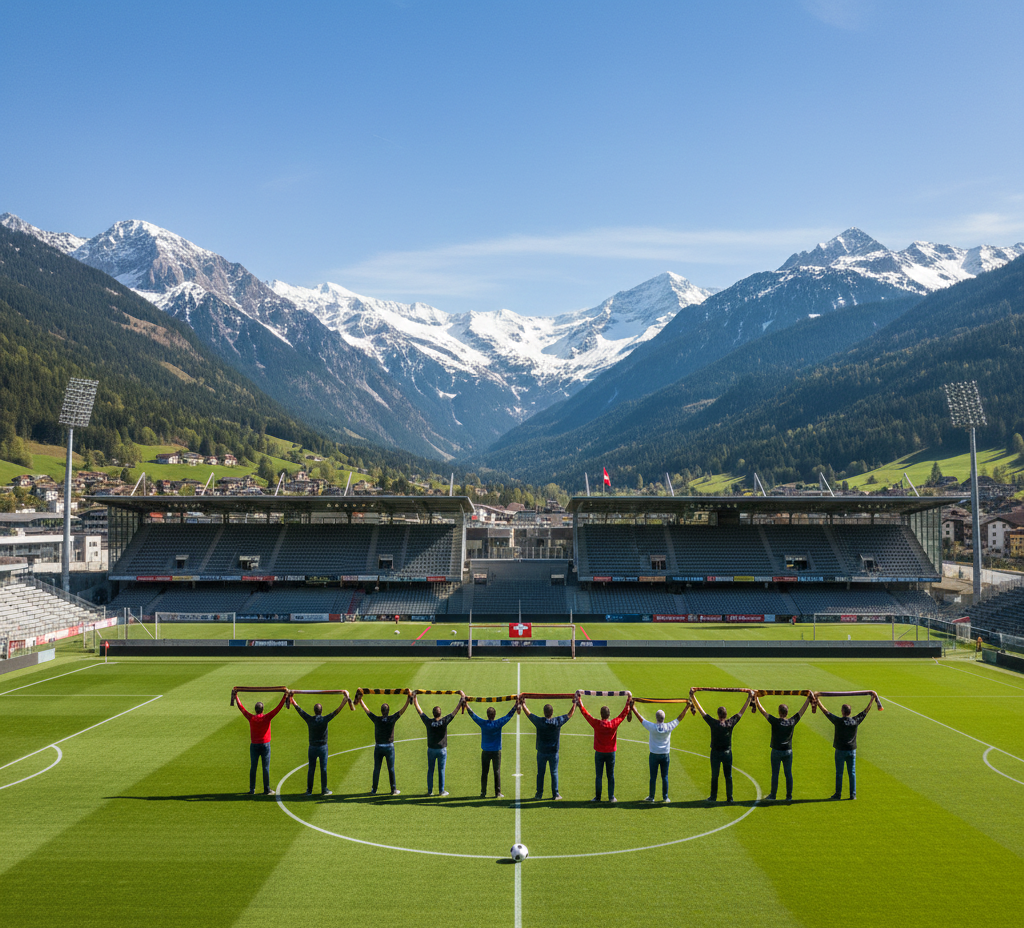
Switzerland may be known worldwide for its mountains, banking sector, and neutrality, but it also has a rich and deeply rooted football culture. Over the decades, football clubs in Switzerland have played a significant role in shaping European football, producing legendary players, competing in UEFA competitions, and maintaining one of the most organized league systems in Europe.
From historic giants like FC Basel and Grasshopper Club Zürich to emerging clubs investing in youth development, Swiss football offers a fascinating blend of tradition, innovation, and multicultural influence. This comprehensive guide explores the top football clubs in Switzerland, their history, achievements, stadiums, rivalries, and the future of the Swiss game.
Overview of Football in Switzerland
Football is the most popular sport in Switzerland, with thousands of registered clubs and players across professional, semi-professional, and amateur levels. The sport is governed by the Swiss Football Association (SFV/ASF), founded in 1895, making it one of Europe’s oldest football federations.
Swiss Football League System
Swiss Super League (Top division)
Challenge League (Second tier)
Promotion League
1st League and lower amateur divisions
Swiss clubs are known for their financial discipline, youth development, and tactical organization, making the league competitive and stable.
Major Football Clubs in Switzerland
FC Basel
Founded: 1893
City: Basel
Stadium: St. Jakob-Park
Club Colors: Red and blue
FC Basel is the most successful football club in Switzerland and a dominant force in modern Swiss football.
Achievements
Multiple Swiss Super League titles
Numerous Swiss Cup victories
Regular UEFA Champions League and Europa League appearances
European Impact
FC Basel has earned a reputation for upsetting major European clubs, defeating teams from England, Spain, and Germany. Their strong scouting and youth academy have produced players who later starred in top European leagues.
Grasshopper Club Zürich
Founded: 1886
City: Zurich
Stadium: Letzigrund
Club Colors: Blue and white
Grasshopper Club Zürich is the most decorated club in Swiss football history.
Achievements
Over 25 Swiss league titles
Multiple Swiss Cup trophies
Historic dominance in domestic football
Despite recent struggles and relegations, Grasshoppers remain one of the most iconic football clubs in Switzerland, with a loyal fan base and rich tradition.
FC Zürich
Founded: 1896
City: Zurich
Stadium: Letzigrund
Club Colors: Blue and white
FC Zürich is one of Switzerland’s oldest and most competitive clubs.
Highlights
Swiss Super League championships
Swiss Cup success
Strong local rivalries
The Zurich Derby between FC Zürich and Grasshopper Club Zürich is one of the fiercest rivalries in Swiss football.
BSC Young Boys
Founded: 1898
City: Bern
Stadium: Stadion Wankdorf
Club Colors: Yellow and black
BSC Young Boys, commonly known as YB, are a modern powerhouse of Swiss football.
Achievements
Multiple recent Swiss Super League titles
Consistent UEFA Champions League participation
Strong squad depth and infrastructure
Young Boys have transformed Swiss football with modern management, high attendance, and tactical intensity.
FC St. Gallen
Founded: 1879
City: St. Gallen
Stadium: Kybunpark
Club Colors: Green and white
FC St. Gallen is the oldest football club in Switzerland and one of the oldest in continental Europe.
Club Identity
Strong regional loyalty
Passionate supporters
Attractive attacking football
St. Gallen remains a respected club with consistent performances in the Swiss Super League.
Other Notable Swiss Football Clubs
Servette FC
Based in Geneva
One of Switzerland’s most historic clubs
Strong presence in western Switzerland
FC Sion
Famous for Swiss Cup success
Strong home record
Known for intense fan culture
FC Lugano
Represents Italian-speaking Switzerland
Growing presence in domestic competitions
Increasing European ambitions
FC Luzern
Competitive mid-table Super League club
Loyal fan base
Important regional influence
Football Stadiums in Switzerland
Swiss football clubs play in modern, well-maintained stadiums, many of which hosted matches during UEFA Euro 2008.
Notable Stadiums
St. Jakob-Park (Basel) – Largest stadium in Switzerland
Stadion Wankdorf (Bern) – Historic and modernized venue
Letzigrund (Zurich) – Shared by Zurich clubs
Stade de Genève – Home of Servette FC
These stadiums reflect Switzerland’s commitment to infrastructure and fan experience.
Famous Football Rivalries in Switzerland
Zurich Derby
FC Zürich vs Grasshopper Club Zürich
Historic city rivalry
One of the most intense derbies in the country
Basel vs Young Boys
Title-deciding clashes
Modern rivalry for domestic dominance
Romandy Rivalries
Servette vs Lausanne
Regional pride in French-speaking Switzerland
Rivalries play a major role in maintaining passion and attendance across Swiss football.
Youth Development and Academies
Swiss football clubs place strong emphasis on youth development.
Key Strengths
Structured academy systems
Focus on technical and tactical education
Integration of multicultural talent
Many Swiss players developed locally have gone on to succeed in:
Bundesliga
Serie A
Premier League
La Liga
Youth investment has strengthened both club football and the Swiss national team.
Swiss Clubs in European Competitions
Swiss football clubs regularly compete in:
UEFA Champions League
UEFA Europa League
UEFA Conference League
FC Basel and Young Boys have been particularly successful, improving Switzerland’s UEFA coefficient and international reputation.
Financial Structure of Swiss Football Clubs
Swiss clubs are known for:
Sustainable budgeting
Strong governance
Youth player sales as revenue
This stability allows clubs to survive economic challenges while remaining competitive.
Challenges Facing Football Clubs in Switzerland
Despite their strengths, Swiss clubs face challenges such as:
Competition from wealthier European leagues
Retaining top players
Limited domestic TV revenue
Smaller population compared to major football nations
Strategic planning and youth development remain key solutions.
The Future of Football Clubs in Switzerland
The future of Swiss football looks promising due to:
Continued investment in academies
Modern stadium infrastructure
Rising international interest
Strong national team performances
Swiss clubs are expected to remain competitive in Europe while maintaining financial sustainability.
Why Football Clubs in Switzerland Matter
Football clubs in Switzerland are more than sporting institutions—they represent:
Regional identity
Cultural diversity
Youth development
International competitiveness
Their structured approach serves as a model for sustainable football management.
Conclusion
The football clubs in Switzerland combine history, professionalism, and innovation. From legendary clubs like Grasshopper Club Zürich and FC Basel to modern contenders like Young Boys, Swiss football continues to thrive on stability and development.
With strong academies, passionate supporters, and increasing European success, Switzerland remains an essential part of the European football landscape. For fans, analysts, and investors alike, Swiss football offers a unique balance of tradition and progress.