
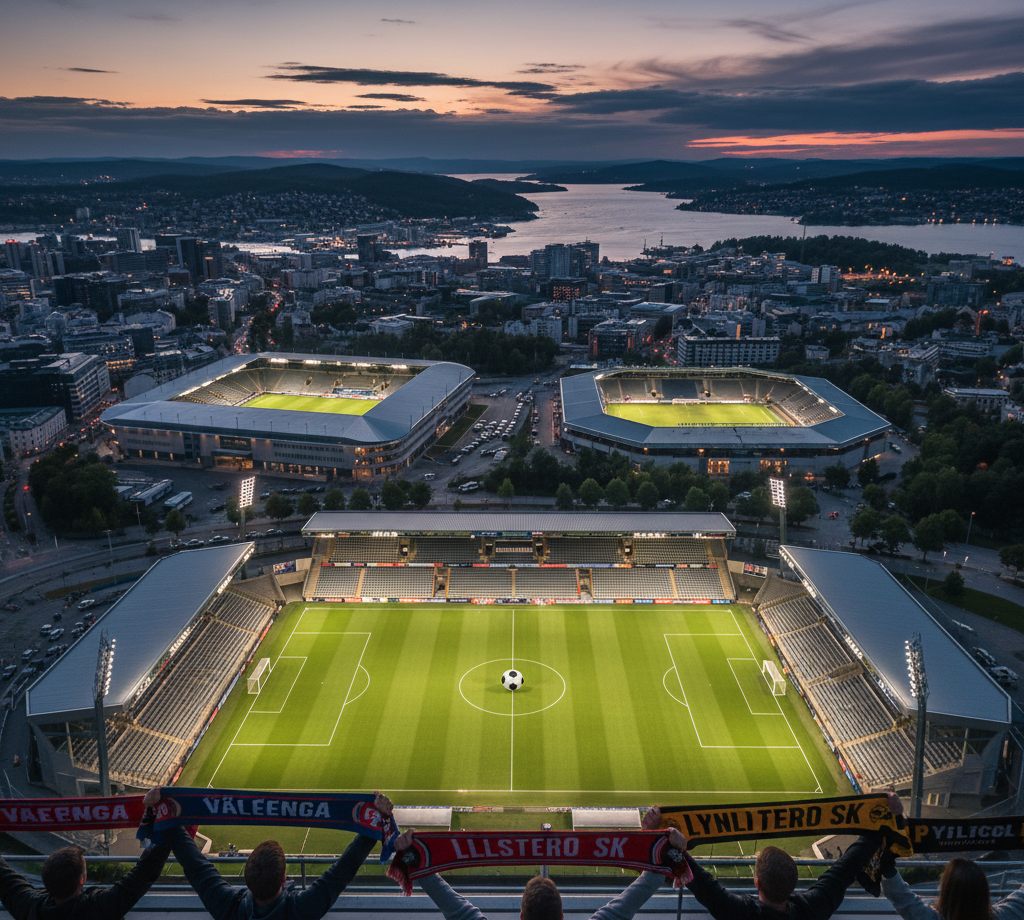
Oslo is not only the capital of Norway but also the epicenter of Norwegian football. The city has produced some of the country’s most successful clubs, iconic stadiums, passionate fan cultures, and legendary players. From historic institutions to modern professional teams, football clubs in Oslo play a vital role in shaping the sport nationally and internationally.
This in-depth guide explores the major football clubs in Oslo, their history, achievements, stadiums, rivalries, fan culture, and influence on Norwegian football.
Why Oslo Is Central to Norwegian Football
Oslo holds a special place in Norwegian football for several reasons:
Largest population base in Norway
Home to the country’s most historic and successful clubs
Hosts major stadiums and football infrastructure
Strong youth development and academy systems
Significant media, commercial, and fan engagement
Many of Norway’s domestic trophies, European campaigns, and national team players have roots in Oslo-based clubs.
History of Football in Oslo
Football arrived in Oslo in the late 19th century, introduced by students and British influence. As the sport grew, clubs were formed around neighborhoods, schools, and social organizations. Over time, Oslo became the backbone of Norwegian football culture.
The city has witnessed:
The birth of Norway’s oldest football clubs
Early dominance in domestic competitions
Development of structured leagues and youth systems
Growth of modern professional football
Major Football Clubs in Oslo
Vålerenga Fotball
Founded: 1913
Stadium: Intility Arena
Colors: Blue and red
Nickname: Enga
Vålerenga is the most famous and widely supported football club in Oslo. Rooted in the city’s working-class east end, the club represents identity, pride, and resilience.
Achievements
Norwegian league titles
Norwegian Cup victories
Regular top-flight participation
Strong youth academy reputation
Club Identity
Vålerenga is known for its loyal fanbase, urban culture, and strong connection to Oslo’s local communities. The club’s modern stadium has helped elevate its commercial and sporting profile.
Lyn Fotball
Founded: 1896
Stadium: Kringsjå / Bislett area (historically)
Colors: Red and white
Lyn is one of Norway’s oldest football clubs and a historic giant of Oslo football.
Achievements
Multiple Norwegian league titles
Norwegian Cup wins
Participation in European competitions
Although Lyn has experienced financial struggles and relegations, it remains a respected name in Norwegian football history and continues rebuilding through youth development.
Skeid Fotball
Founded: 1915
Stadium: Nordre Åsen
Colors: Yellow and black
Skeid is a traditional Oslo club with a proud history and strong grassroots focus.
Highlights
Norwegian league and cup success in earlier decades
Renowned youth academy
Focus on local player development
Skeid has played an important role in shaping Norwegian football culture, particularly in Oslo’s northern districts.
Other Notable Football Clubs in Oslo
Beyond the major names, Oslo is home to several professional, semi-professional, and community clubs.
Kjelsås Fotball
Known for strong cup performances
Community-driven club
Active in youth football
Grorud IL
Based in Grorud Valley
Recent rise to professional levels
Emphasis on local talent
Bærum SK (Greater Oslo Area)
Competitive lower-division presence
Player development focus
Ready Fotball
One of Oslo’s oldest clubs
Strong amateur and youth programs
These clubs contribute to Oslo’s diverse and competitive football ecosystem.
Football Stadiums in Oslo
Intility Arena
Home of Vålerenga
Modern, football-specific stadium
Located in eastern Oslo
Ullevaal Stadion
National stadium of Norway
Hosts national team matches and cup finals
Symbol of Norwegian football heritage
Bislett Stadium
Historic venue with football legacy
Multi-sport use
Important cultural landmark
Oslo Football Rivalries
Vålerenga vs Lyn
The Oslo Derby between Vålerenga and Lyn is one of Norway’s most famous rivalries.
What It Represents
East Oslo vs West Oslo
Working-class identity vs academic tradition
Passionate fan cultures
Derby matches are known for intense atmospheres, colorful displays, and city-wide attention.
Fan Culture and Ultras in Oslo
Football clubs in Oslo are supported by dedicated fan groups known for chants, tifos, and loyalty.
Key Characteristics
Strong local identity
Community involvement
Creative choreographies
Year-round support
Vålerenga’s supporters, in particular, are among the most recognized fan groups in Norway.
Youth Academies and Player Development
Oslo plays a crucial role in producing Norwegian football talent.
Development Focus
Technical skills
Tactical education
Physical conditioning
Mental development
Many players from Oslo clubs have progressed to:
Norwegian national teams
Scandinavian leagues
Top European clubs
Oslo Clubs in European Competitions
Oslo-based clubs have represented Norway in:
UEFA Champions League qualifiers
Europa League
UEFA Conference League
While Norwegian clubs face stiff European competition, Oslo teams continue to push for continental progress and visibility.
Economic and Cultural Impact of Football in Oslo
Football clubs in Oslo contribute significantly to:
Local employment
Sports tourism
Youth engagement
Sponsorship and advertising markets
Modern stadiums, digital media, and global broadcasting have increased the commercial potential of Oslo clubs.
Challenges Facing Football Clubs in Oslo
Despite strong foundations, clubs face challenges such as:
Financial sustainability
Competition from larger European leagues
Player retention
Infrastructure investment
However, improved governance, youth development, and strategic planning are helping clubs remain competitive.
Future of Football in Oslo
The future of football in Oslo looks promising due to:
Growing investment in youth academies
Modern stadium facilities
Increased international exposure
Strong grassroots participation
Oslo remains essential to the growth of Norwegian football at all levels.
Why Football Clubs in Oslo Matter
Football clubs in Oslo are more than sporting institutions—they are symbols of community, culture, and identity. They unite neighborhoods, inspire youth, and represent Norway on the international stage.
From historic clubs like Lyn and Skeid to modern powerhouses like Vålerenga, Oslo continues to shape the past, present, and future of Norwegian football.
Conclusion
The football clubs in Oslo form the backbone of Norwegian football history and culture. With legendary clubs, iconic stadiums, passionate supporters, and strong youth systems, the city stands as Norway’s football capital.
As the sport evolves, Oslo’s clubs will continue to produce talent, compete domestically and in Europe, and inspire generations of football fans. For anyone interested in Scandinavian football, Oslo remains a city where football tradition and modern ambition meet.