
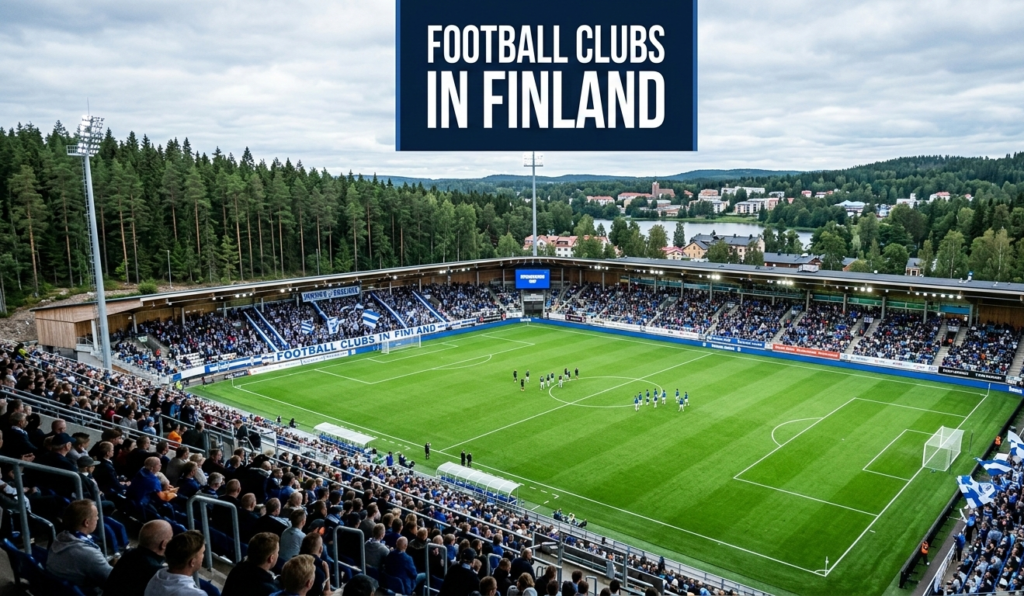
Football clubs in Finland have grown steadily in popularity, structure, and competitiveness over the past decades. While Finland is often associated with winter sports, especially ice hockey, football has quietly developed into one of the most widely played and followed sports in the country.
From historic clubs with over a century of tradition to modern teams competing in European tournaments, Finnish football has built a strong identity. In this guide, we will explore the league structure, top football clubs in Finland, youth development, women’s football, challenges, and the future of the sport.
The Growth of Football in Finland
Football was introduced to Finland in the late 1800s. Over time, it became a popular sport among schools, communities, and local organizations. Although ice hockey remains the most followed sport nationally, football participation numbers are very high.
Thousands of children join football clubs in Finland every year. The sport is accessible, community-driven, and supported by structured development systems. As a result, Finnish football has improved in quality and professionalism.
The country’s national team has also gained international recognition in recent years, which has further increased interest in domestic football clubs.
Structure of Football Leagues in Finland
Understanding football clubs in Finland requires knowledge of the league system. Finnish football operates in a pyramid structure with promotion and relegation between divisions.
Veikkausliiga – The Top Division
The Veikkausliiga is the highest professional football league in Finland. It features the best teams in the country and determines the national champion each season.
Key characteristics:
Professional clubs
Qualification spots for European competitions
Strong youth integration
Competitive balance through promotion and relegation
The season usually runs from spring to autumn because harsh winters make year-round outdoor play difficult.
Ykkönen – The Second Tier
Ykkönen is the second-highest division. Many ambitious clubs compete here with the goal of earning promotion to the Veikkausliiga.
This league is a mix of professional and semi-professional teams. It plays an important role in player development and competitive depth.
Kakkonen and Lower Divisions
Kakkonen is the third tier and is divided into regional groups. Below this level, several amateur and local leagues operate across Finland.
These divisions ensure that football remains accessible nationwide, even in smaller towns and rural areas.
Major Football Clubs in Finland
Several football clubs in Finland have made a significant impact both domestically and internationally.
HJK Helsinki
HJK Helsinki is the most successful football club in Finland.
Founded in 1907 and based in the capital city, HJK has won numerous national championships. The club is widely recognized for its professional structure and strong youth academy.
HJK regularly competes in European qualification rounds and has represented Finland in continental competitions. Its consistent success has made it the standard-bearer of Finnish football.
KuPS (Kuopion Palloseura)
KuPS is one of Finland’s historic clubs, founded in 1923.
Based in Kuopio, this club has enjoyed strong performances in recent seasons. Known for disciplined tactics and well-organized play, KuPS has consistently challenged for league titles.
The club also invests heavily in youth development and community programs.
FC Inter Turku
Founded in 1990, FC Inter Turku has become one of the modern powerhouses of Finnish football.
Based in Turku, the club has won league titles and regularly competes near the top of the table. It is known for strong management, youth training programs, and modern facilities.
FC Inter Turku represents the new generation of structured and competitive Finnish clubs.
VPS (Vaasan Palloseura)
VPS is a respected club based in Vaasa.
Founded in 1924, VPS has experienced both top-division success and relegation battles. Despite fluctuations in league position, the club maintains strong regional support and continues to develop local talent.
IFK Mariehamn
Representing the Åland Islands, IFK Mariehamn is unique in Finnish football.
The club achieved national recognition after winning the league title in 2016. Despite representing a smaller population, IFK Mariehamn has demonstrated that smaller clubs can compete at the highest level.
Their success story is often cited as an example of determination and smart management.
Youth Development in Finnish Football
One of the strongest aspects of football clubs in Finland is their focus on youth development.
Most professional clubs operate structured academies where young players receive technical, tactical, and physical training from an early age.
Key features of Finnish youth football:
Licensed coaching programs
Collaboration with schools
Emphasis on teamwork and discipline
Development of technical skills over physical dominance
This long-term approach ensures a steady supply of talented players.
Women’s Football in Finland
Women’s football is growing steadily in Finland.
Clubs across the country support women’s teams, and participation rates among girls continue to increase. Development programs are designed to ensure equal opportunities and professional pathways.
The top women’s league provides competitive football and helps promote gender equality in the sport.
Finnish Clubs in European Competitions
Top football clubs in Finland participate in European qualification rounds.
Although competing against larger European leagues can be challenging, these opportunities provide:
International exposure
Financial rewards
Valuable experience
Increased fan engagement
Participation in European competitions also raises the reputation of Finnish football internationally.
Challenges Facing Football Clubs in Finland
Despite steady progress, football clubs in Finland face several challenges.
Climate
Long winters shorten the playing season. Many clubs rely on indoor facilities to continue training year-round.
Financial Limitations
Compared to major European leagues, Finnish clubs operate with smaller budgets. Revenue comes from sponsorships, ticket sales, and player transfers.
Player Transfers Abroad
Talented players often move to larger European leagues for better opportunities. While this strengthens Finland’s international presence, it can weaken domestic competition.
Competition with Ice Hockey
Ice hockey remains Finland’s most popular sport. Football competes for sponsorship, media coverage, and fan attention.
Community Impact of Football Clubs in Finland
Football clubs in Finland are deeply connected to their communities.
They provide:
Youth engagement programs
Social inclusion initiatives
Local employment opportunities
Community events and tournaments
In many towns, the local football club serves as a source of pride and unity.
The Future of Football Clubs in Finland
The future looks promising for Finnish football.
Clubs are investing in:
Modern training facilities
Data analytics and performance technology
Improved stadium infrastructure
Digital marketing and fan engagement
Youth participation remains high, and the professional structure continues to improve.
As more players gain international experience and return with new skills, the overall quality of Finnish football is expected to rise further.
Why Football Clubs in Finland Are Gaining Attention
Football clubs in Finland are increasingly recognized for:
Strong organizational structure
Emphasis on youth development
Tactical discipline
Community involvement
Growing competitiveness in Europe
The combination of tradition and modernization is helping Finnish clubs gain respect across Europe.
Conclusion
Football clubs in Finland represent a growing and competitive football culture in Northern Europe. From historic giants like HJK Helsinki to ambitious regional teams like KuPS and FC Inter Turku, Finnish football continues to evolve.
Despite climate challenges and financial limitations, the commitment to youth development, community engagement, and professional standards keeps the sport moving forward.
As infrastructure improves and international exposure increases, football clubs in Finland are positioned for a bright future.