
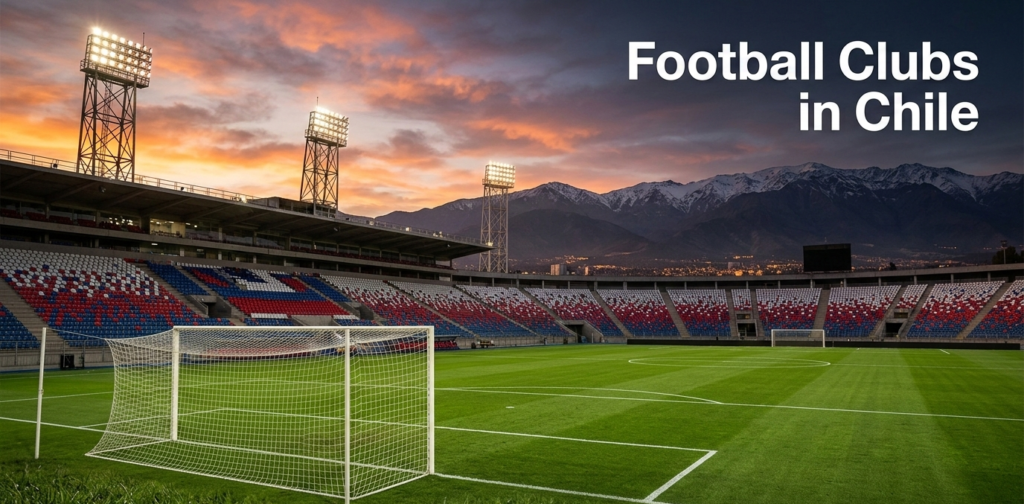
Football clubs in Chile represent the heart and soul of South American football culture. From historic giants with continental titles to regional teams with passionate supporters, Chilean football has built a strong identity based on pride, competition, and talent development.
Why Football Is So Important in Chile
Football is the most popular sport in Chile. It connects cities, families, and generations. Whether in Santiago, Valparaíso, Concepción, or the northern mining regions, football plays a central role in community life.
Chilean clubs are the foundation of the country’s football success. Many players who later shine internationally begin their careers in domestic academies. The national team’s achievements in recent decades are directly connected to the strength of football clubs in Chile.
Colo-Colo: The Most Successful Football Club in Chile
When discussing football clubs in Chile, the first name that comes to mind is Colo-Colo.
History and Foundation
Founded in 1925, Colo-Colo quickly became a dominant force in Chilean football. The club is based in Santiago and enjoys the largest fan base in the country.
Major Achievements
Most domestic league titles in Chile
Numerous national cup victories
Copa Libertadores champions in 1991
Colo-Colo remains the only Chilean club to win South America’s most prestigious club tournament. That achievement established it as the most successful football club in Chile.
Identity and Fan Base
Colo-Colo supporters are known for their passion and loyalty. Home matches create intense atmospheres, especially during derby games.
Universidad de Chile: The Blue Power
Another giant among football clubs in Chile is Universidad de Chile, commonly known as “La U.”
Club Background
Founded in 1927, Universidad de Chile is one of the most popular teams in the country. The club’s blue colors symbolize pride and tradition.
International Success
One of the greatest achievements in the club’s history came in 2011 when it won the Copa Sudamericana. That campaign is remembered for its attacking football and dominance throughout the tournament.
The Superclásico Rivalry
The rivalry between Colo-Colo and Universidad de Chile is known as the Superclásico. It is the biggest football match in Chile, drawing nationwide attention and enormous stadium crowds.
Universidad Católica: Consistency and Modern Dominance
Universidad Católica completes Chile’s “Big Three” clubs.
Strong Domestic Presence
Founded in 1937, the club has consistently competed for league titles and remains one of the most organized institutions in Chilean football.
Youth Development
Universidad Católica is respected for its youth academy. Many national team players developed through its system before moving abroad.
Recent Success
In recent years, the club has maintained strong league performances, proving that it remains a major force among football clubs in Chile.
Cobreloa: The Northern Giant
Cobreloa represents one of the most fascinating success stories in Chilean football.
Rapid Rise
Founded in 1977 in the northern city of Calama, Cobreloa quickly became competitive at the highest level.
Continental Achievement
The club reached the final of the Copa Libertadores twice in the early 1980s. Although it did not win the trophy, those performances remain historic moments for Chilean football.
Cobreloa showed that success in Chile is not limited to Santiago-based clubs.
Everton de Viña del Mar
Everton de Viña del Mar is one of the oldest football clubs in Chile, founded in 1909.
Based in the coastal city of Viña del Mar, Everton has experienced periods of success and rebuilding. The club plays an important role in representing regional football outside the capital.
Unión Española and Cultural Identity
Unión Española is another historic club in Chile.
Founded by the Spanish community in Chile, the club carries strong cultural identity and tradition. It has won league titles and regularly competes in top-division football.
Audax Italiano and Community Roots
Audax Italiano was founded by members of the Italian community in Chile.
The club represents cultural heritage and has contributed significantly to Chilean football history. While not always title contenders, Audax Italiano remains competitive and respected.
Santiago Wanderers: Historic Legacy
Santiago Wanderers, based in Valparaíso, is one of the oldest clubs in Chile.
The club’s tradition and strong local support make it a significant part of the national football landscape. Wanderers have experienced ups and downs but remain historically important.
Structure of Professional Football in Chile
Football clubs in Chile compete in a structured league system designed to promote competition and development.
League System Overview
Primera División – Top professional league
Primera B – Second division
Segunda División Profesional
Amateur and regional divisions
Promotion and relegation create competitive pressure every season. Clubs must perform consistently to remain in the top tier.
Domestic Competitions
In addition to the league championship, Chilean clubs compete in national cup tournaments. These competitions provide opportunities for smaller clubs to challenge bigger teams and earn continental qualification spots.
Winning domestic trophies strengthens club reputation and financial stability.
International Competitions
Football clubs in Chile regularly participate in South American tournaments such as:
Copa Libertadores
Copa Sudamericana
International competition helps clubs gain experience and financial growth. Strong performances also increase global recognition for Chilean football.
Youth Academies and Player Development
One of the strengths of football clubs in Chile is their focus on youth development.
Academies emphasize:
Technical skill
Tactical understanding
Competitive mentality
Physical development
Many players begin their careers in Chile before transferring to major European leagues. This system supports both club finances and national team success.
Stadium Atmosphere and Fan Culture
Chilean football is known for its passionate supporters.
Matchdays often include:
Coordinated chants
Colorful banners
High-energy supporter groups
Intense derby atmospheres
The Superclásico stands out as the most heated rivalry, but regional derbies also bring powerful energy.
Football in Chile is more than just sport; it is identity and emotion.
Challenges Facing Football Clubs in Chile
Despite strong tradition, clubs face modern challenges:
Financial competition from larger South American leagues
Player transfers to Europe at young ages
Infrastructure modernization costs
Maintaining competitive balance
However, recent investments and professional management improvements are helping many clubs remain stable.
The Future of Football Clubs in Chile
The future of football clubs in Chile looks promising.
Key growth factors include:
Strong youth systems
Improved stadium infrastructure
International exposure
Increased commercial opportunities
As Chile continues developing talent and strengthening its domestic league, clubs are likely to remain competitive on the continental stage.
Why Global Fans Should Follow Chilean Football
International football fans can benefit from watching Chilean clubs because:
Matches are competitive and intense
Rivalries are historic and passionate
Young talents often emerge before moving to Europe
The league offers authentic South American football culture
Chilean football delivers drama, skill, and deep emotional connection.
Conclusion
Football clubs in Chile form the backbone of the country’s sporting identity. From the dominance of Colo-Colo to the historic rivalry with Universidad de Chile, from Universidad Católica’s consistency to Cobreloa’s inspiring rise, Chilean football continues to thrive.
These clubs are not just sports institutions; they represent cities, communities, and generations of supporters. With strong youth development, passionate fan culture, and growing international competitiveness, football clubs in Chile remain a powerful force in South American football.
Whether you are researching Chilean football history, exploring South American leagues, or searching for emerging clubs to follow, Chile offers tradition, intensity, and quality at every level.