
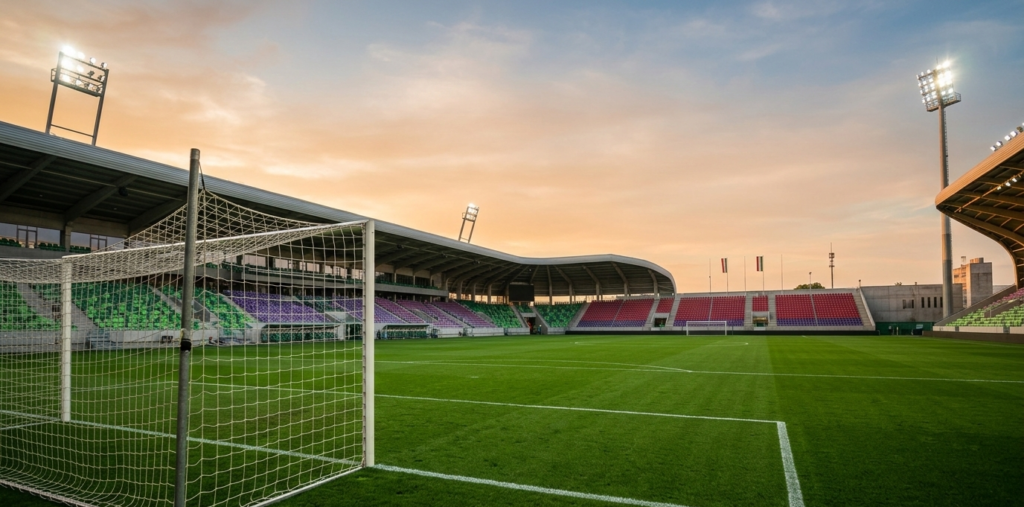
Football is deeply rooted in Hungarian culture, and nowhere is this passion more visible than in Budapest, the capital city of Hungary. The football clubs in Budapest have shaped the history of Hungarian football for over a century, producing legendary players, intense rivalries, and unforgettable European nights.
From historic giants with international trophies to modern ambitious sides competing in the top division, Budapest remains the heart of Hungarian football. In this detailed guide, we explore the most important football clubs in Budapest, their history, stadiums, achievements, and why they continue to dominate the national conversation.
Why Budapest Is the Center of Hungarian Football
Hungary has a rich football tradition, famously associated with the “Golden Team” of the 1950s. While talent has emerged across the country, Budapest has consistently been the epicenter of competition, development, and success.
Several reasons explain this dominance:
Historical investment in sports infrastructure
Large population base
Strong youth academies
Historic stadiums
Cultural importance of local derbies
Today, most of Hungary’s biggest clubs are based in the capital, making football clubs in Budapest a major force in the domestic league.
1. Ferencvárosi TC (Fradi)
The most successful and internationally recognized club in Hungary is Ferencvárosi TC, commonly known as Fradi.
History and Legacy
Founded in 1899, Ferencváros has become synonymous with Hungarian football excellence. The club’s green and white colors are iconic, and its fan base is one of the largest in Central Europe.
Fradi achieved historic European success in 1965 by winning the Inter-Cities Fairs Cup, marking one of Hungary’s greatest international club achievements.
Domestic Success
Multiple Hungarian league titles
Numerous Hungarian Cup victories
Regular UEFA competition appearances
In recent years, Ferencváros has consistently qualified for European group stages, increasing international visibility for football clubs in Budapest.
Stadium
The club plays at the modern Groupama Arena, one of Hungary’s best football facilities.
2. MTK Budapest
Another historic institution among football clubs in Budapest is MTK Budapest FC.
Historical Importance
Founded in 1888, MTK is one of the oldest clubs in Hungary. The club has had periods of dominance, particularly in the early 20th century.
MTK played a major role in developing technical and tactical football in Hungary and produced many influential players.
Style of Play
Traditionally known for:
Strong youth development
Technical, possession-based football
Focus on academy graduates
Although the club has experienced relegations in recent years, it remains a respected name in Hungarian football.
3. Újpest FC
One of the fiercest rivals of Ferencváros is Újpest FC, representing the Újpest district.
The Derby Rivalry
The Ferencváros vs Újpest derby is one of the most intense in Hungarian football. This rivalry divides Budapest and generates massive atmosphere in the stadium.
Achievements
Multiple Hungarian league titles
Strong European performances in the 1970s
Rich domestic cup history
Újpest is recognized for its purple and white colors and passionate fan base.
4. Budapest Honvéd
Another historic name among football clubs in Budapest is Budapest Honvéd FC.
The Golden Era
Honvéd was home to legendary players during the 1950s and was strongly connected to Hungary’s famous national team era.
The club’s identity is closely tied to military history, as “Honvéd” translates to “Homeland Defense.”
Modern Era
Although not as dominant today, Honvéd remains an important club in the Hungarian football structure and continues to compete at high levels domestically.
5. Vasas SC
Vasas SC is another historic Budapest-based club with deep roots.
Key Facts
Founded in 1911
Strong mid-20th-century success
Loyal local support
Vasas has fluctuated between divisions but remains part of Budapest’s football heritage.
Budapest Football Rivalries
One of the most exciting aspects of football clubs in Budapest is the intense rivalry culture.
Ferencváros vs Újpest
The Eternal Derby is the most famous clash in Hungary. It represents:
Political and social divides
Historic competitive balance
Massive fan engagement
MTK vs Ferencváros
A rivalry based on tradition and early 20th-century dominance.
These derbies give Budapest football a unique atmosphere rarely seen in smaller leagues.
Stadium Culture in Budapest
Football clubs in Budapest benefit from some of Hungary’s best stadiums.
Groupama Arena
Home of Ferencváros, modern and UEFA-compliant.
Szusza Ferenc Stadion
Home of Újpest FC, named after a legendary Hungarian striker.
Bozsik Aréna
Home of Budapest Honvéd, recently modernized.
These stadiums create electric atmospheres during derby days and European matches.
Youth Development and Academies
Budapest clubs are known for strong youth development systems. Many Hungarian national team players started their careers in capital-based academies.
The focus areas include:
Technical training
Tactical awareness
Early competitive exposure
Youth development remains a cornerstone for football clubs in Budapest aiming to compete internationally.
European Competitions and International Impact
Historically, Budapest clubs have represented Hungary in:
UEFA Champions League qualifiers
Europa League group stages
European Cup competitions
Ferencváros, in particular, has revived Hungary’s international presence in recent years by consistently qualifying for European tournaments.
This exposure increases revenue, improves player development, and strengthens the reputation of football clubs in Budapest.
The Role of Budapest in the Hungarian League
The Hungarian top division (Nemzeti Bajnokság I) often features multiple Budapest-based teams.
Because of this:
Travel distances are shorter for derbies
Media attention is concentrated
Sponsorship opportunities are higher
Budapest’s dominance sometimes sparks debate about competitive balance, but it also ensures high-quality fixtures throughout the season.
Fan Culture and Atmosphere
Budapest football fans are passionate, vocal, and deeply loyal.
Matchday culture includes:
Organized ultras sections
Historic chants
Large derby attendances
Strong visual displays
While Hungarian football crowds are smaller than Western Europe’s biggest leagues, derby matches in Budapest can produce powerful atmospheres.
Challenges Facing Budapest Clubs
Despite strong history, football clubs in Budapest face modern challenges:
Financial competition from Western Europe
Player migration to larger leagues
Balancing youth development with immediate success
Infrastructure costs
However, recent investment in stadiums and youth academies shows long-term ambition.
The Future of Football Clubs in Budapest
The future looks promising for Budapest football.
Key factors driving growth:
Modern stadium investments
Government support for sports infrastructure
Improved scouting systems
Increased European exposure
Ferencváros’ recent European performances demonstrate that Budapest clubs can compete beyond domestic borders.
If financial sustainability improves and youth systems remain strong, football clubs in Budapest could become regular European group-stage participants.
Why Football Fans Should Follow Budapest Clubs
There are several reasons why international fans are starting to pay attention:
Historic rivalries
Passionate supporter culture
Affordable matchday experiences
Growing European competitiveness
Budapest offers a unique blend of football tradition and modern development.
Conclusion
Football clubs in Budapest are the backbone of Hungarian football. From the dominance of Ferencvárosi TC to the historic rivalries involving Újpest, MTK, Honvéd, and Vasas, the capital city continues to shape the country’s football identity.
With modern stadiums, ambitious youth programs, and growing European experience, Budapest remains one of Central Europe’s most important football hubs.
Whether you are researching Hungarian football, planning a sports trip, or looking for emerging European clubs to follow, the football clubs in Budapest offer history, passion, and competitive spirit in equal measure.